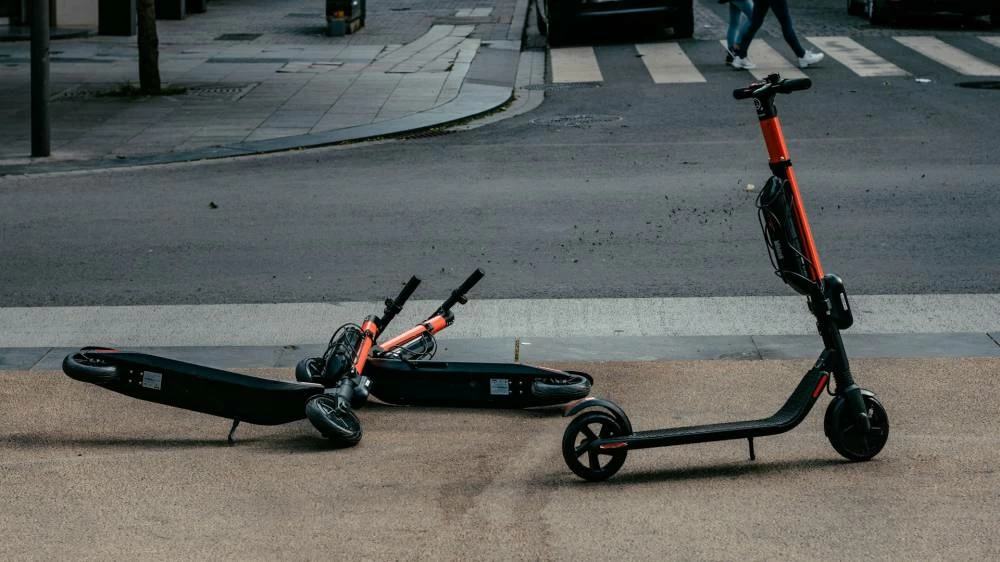
Abu Dhabi: The new UAE executive regulations for the Traffic Law, which will come into effect on January 1, establish a comprehensive regulatory framework for personal means of transport used on roads across the country, classifying them into six main categories and regulating their registration and the permits required to use them in designated lanes.
The six categories are bicycles, electric bicycles, electric scooters, mini-bikes, skateboards, and mobility devices for the elderly and people with disabilities.
The regulations provide for three types of permits covering electric scooters, electric bicycles and mini-bikes. Applicants must be at least 15 years old, and permits will be valid for three years and renewable.
Types and specifications
The regulations classify personal means of transport used on roads according to the standards and specifications applicable to each type.
Bicycles are powered by their riders and are not equipped with automatic or hybrid engines. Electric bicycles are fitted with a power unit that supports and assists pedalling, while electric scooters are powered by electric motors and can be ridden in a standing or seated position.
The classifications also include mini-bikes fitted with automatic or electric motors, with an engine capacity not exceeding 50cc and a maximum speed of 45 kilometres per hour.
Skateboards designed for personal transport, powered either by the user's push or by a motor, are also included, along with mobility devices for the elderly and people with disabilities. These comprise seats powered either by a motor or the user's own effort.
Safety requirements
The regulations set out safety and technical requirements for personal means of transport to ensure their safe use on the roads.
These include a front light to illuminate the road at night and a rear red light connected to the brakes, as well as an audible warning device mounted on the handlebars and brakes on at least the rear wheel.
Tyres must be securely fitted and roadworthy, while wheel cables must be complete and properly tightened. All parts must also be durable and securely fitted to ensure safe use. Users must comply with any additional requirements issued by the licensing authority.
Six obligations
The new executive regulations set out six obligations for users of personal means of transport to ensure their safety and protect pedestrians and motorists.
Article Six stipulates that personal means of transport must be registered in accordance with procedures established by the licensing authority or traffic control authority, as applicable. They must not be driven without the required permit in accordance with the provisions of the decision.
Users must not drive personal means of transport on roads designated for motor vehicles. They must also follow guidance and traffic rules and operate them safely without endangering themselves, pedestrians or motorists.
The regulations require personal means of transport to be used only on routes specified by the licensing authority or traffic control authority, with users adhering to the prescribed speed limits.
They also emphasise compliance with safety requirements governing their use, whether privately owned or rented from commercial establishments.
Traffic lights
The regulations specify the traffic signals governing the movement of pedestrians and users of personal means of transport:
Red light: Pedestrians and users of personal means of transport are strictly prohibited from crossing the road.
Green light: Pedestrians and users of personal means of transport are permitted to cross the road.
Flashing green light: Pedestrians and users of personal means of transport must not begin crossing. Those who have already started crossing during the permitted period may continue until they have completed the crossing.