Add as preferred on Google
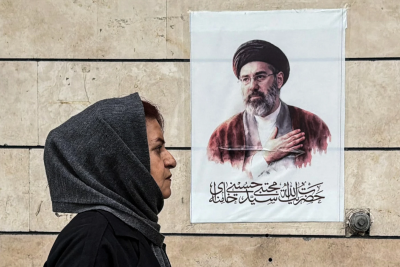
An Iranian woman walks past a poster depicting the portrait of Mojtaba Khamenei, the new Supreme Leader of Iran, in Tehran, the capital, on April 13, 2026. (Credit: Atta Kenare/AFP) Add as preferred on Google In theory, the supreme leader of the Islamic Republic of Iran represents the Hidden Imam. But since taking office, Mojtaba Khamenei, 56, has made no public appearances. He has issued several written statements, and state media have reported on his meetings with senior regime officials. Yet for nearly nine months, Iranian authorities have released no recent video or audio recording of him speaking. His prolonged absence has fueled questions about his health, particularly after reports that he suffered serious injuries in the U.S.-Israeli strikes on Feb. 28, which killed his father and predecessor, Ali Khamenei.The situation poses an unprecedented dilemma for the Iranian regime, touching on the very foundations of its political system: Wilayat al-Faqih, or the “guardianship of the Islamic jurist.” Under this doctrine, the supreme... Black Friday Limited Offer: subscribe now for $6.9/month instead of $12.9. Subscribe now Log in This article is only available to L’Orient Today subscribers. Subscribe now Log in Create a free account to continue reading this article. You’ll also receive The Morning Brief, our must-read daily digest of Middle East news. Opt out anytime Email Address Password Email Address Password I would like to receive special offers from L'Orient Today as well as selections of the best articles. Register By creating an account, you agree to the terms and conditions of use and our privacy policy. Register Or register with: Facebook
Already have an account? Login here