BEIRUT: Hezbollah has received $200 million from Iran to help Lebanese displaced by this year’s war with Israel, two people with direct knowledge of the transfer said, the first significant aid from the group to supporters who bore the brunt of the conflict.
Hezbollah received the cash last month despite a tightening US economic chokehold on Iran and increasing difficulties in getting funds to Tehran’s Lebanese ally, said the people.
Intermediaries who moved the money charged a 20 percent fee, reflecting the risks of dealing with the group, they said. One said this was four times the normal fee.
Asked for comment, a Hezbollah official said an amount had been secured and a plan for distributing it would be announced in the coming days, without elaborating on the source of the funds.
The Iranian foreign ministry, Iran’s permanent mission in Geneva, the US State Department and the Lebanese government did not immediately respond to requests for comment.
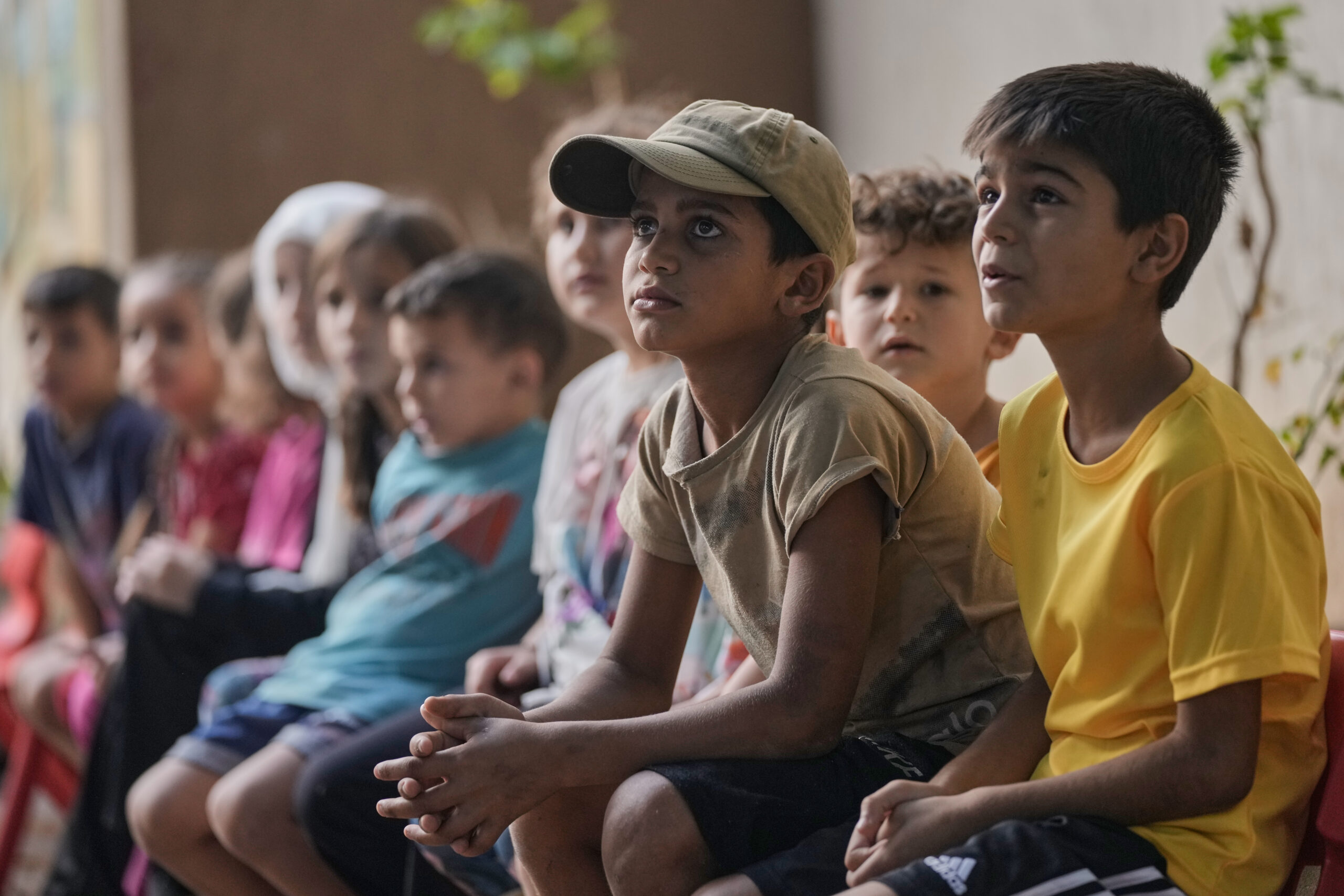
Israel’s bombardment and invasion of Lebanon uprooted hundreds of thousands of Hezbollah’s Shi’ite Muslim constituents after the group entered the regional war in support of Iran on March 2.
But those displaced have so far received little to no assistance from Hezbollah, an armed group founded by Iran’s Revolutionary Guards in 1982 which has suffered heavy Israeli blows in two wars since 2024 and is designated a terrorist group by Washington.
Hezbollah would use the funds to pay an initial $3,000 per family, and priority will go to those whose villages have been destroyed or are inaccessible due to Israeli occupation, the sources said. These number around 50,000 families, one of the sources said.
Iran has maintained financial support to Hezbollah through years of crippling US sanctions: it transferred $1 billion to the group in the first 10 months of 2025, according to the US Treasury Department.
Tehran has never acknowledged financing Hezbollah. Iran’s policy of funding regional proxies has stirred domestic protester anger against the clerical rulers in the past and could prove particularly sensitive at a time of worsening hardship in Iran.
Iran had promised Hezbollah more funding after Tehran signed an interim deal with Washington in June that allowed Iran to sell its oil, Reuters reported at the time. That agreement collapsed in July.
Washington has since intensified economic pressure on Iran, tightening sanctions and imposing a naval blockade to block Iranian oil exports.
Hezbollah leader Naim Qassem said in a speech last month that the group would soon contribute to a project aimed at housing thousands of people displaced by the war, using “available resources and donations”, without elaborating.
Hezbollah’s ability to fund local services and provide post-conflict aid has helped shore up its support in the past. Following a war with Israel in 2006, the group immediately handed out large cash payments to those impacted and moved swiftly to help rebuild Beirut’s southern suburbs, a stronghold.
But this time there has been little sign of reconstruction. Lebanese Prime Minister Nawaf Salam said last month that the total reconstruction costs from the two wars since 2024 could exceed $27 billion.
The two sources provided no details on how the money got to Lebanon.
One of them said it was increasingly difficult for Hezbollah to move funds via financial companies that once processed such transfers. Such firms based in Iraq and Dubai were no longer an option, and they were also now under pressure in Turkiye, this source said.
Hezbollah’s foes believed money was currently the group’s “oxygen”, the source added. Despite the difficulties securing funding, the group had not stopped paying its fighters and the family members of those killed in combat, this source said.
In Lebanon, the war has inflicted a heavy price on the Shi’ite Muslim community from which Hezbollah draws support. Israel has razed villages across a swathe of territory it has seized in the south, saying it aims to shield northern Israel from Hezbollah attack.
Israeli attacks in Lebanon have killed more than 4,300 people since March 2, according to Lebanon’s health ministry. Its toll does not say how many combatants may be among the dead. Hezbollah has not disclosed figures on its war dead. Reuters reported on May 4 that several thousand Hezbollah fighters had been killed in the war.
Stay on top of the issues that matter to you the most.