Add as preferred on Google
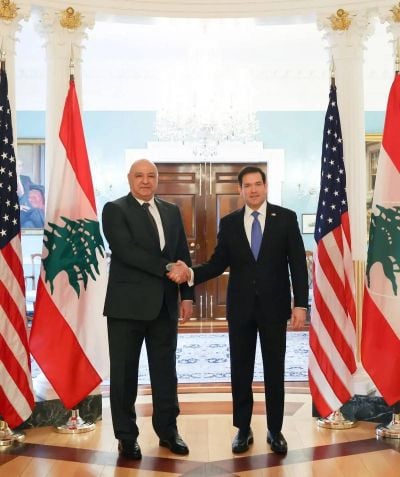
U.S. Secretary of State Marco Rubio and Lebanese President Joseph Aoun shake hands during a meeting in Washington at the U.S. Department of State on Sunday, July 19, 2026. (Credit: Lebanese presidency’s X account/ @LBpresidency) Add as preferred on Google The absence of a coherent Lebanese policy toward the United States increases its vulnerability to external pressure. The Republican midterm defeat exposed the cost of confusing access to American officials with securing tangible political commitments. Lebanon invested in particular interlocutors without an alternative if their influence dwindles.Three troubling trends characterize U.S.–Lebanese relations: Lebanon divides competing power centres within the administration ; Lebanese officials take sides in these divisions rather than remain neutral ; and de facto alliances connect Trump administration factions with influential Lebanese actors.President Joseph Aoun’s considerable political investment in Secretary of State Marco Rubio and the framework agreement with Israel illustrates these trends. When Vice President JD Vance called... You have reached your article limit.Stay informed as events unfold across a region in flux.Subscribe for $0.5/month for the first 3 months. Subscribe now Log in This article is only available to L’Orient Today subscribers. Subscribe now Log in Create a free account to continue reading this article. You’ll also receive The Morning Brief, our must-read daily digest of Middle East news. Opt out anytime Email Address Password Email Address Password I would like to receive special offers from L'Orient Today as well as selections of the best articles. Register By creating an account, you agree to the terms and conditions of use and our privacy policy. Register Or register with: Facebook
Already have an account? Login here