The U.S. midterm elections, along with the Israeli elections that preceded them, have ended, concluding a period of Lebanese anticipation as the country watches the domestic impact of these outcomes and assesses whether the chances of escalation will rise or fall.
Lebanon's political and security landscape cannot be viewed in isolation from the shifts in the U.S.-Israeli confrontation with Iran, especially following the recent elections, which have created new pressures for both U.S. President Donald Trump and Israeli Prime Minister Benjamin Netanyahu. Lebanon, which has not actually exited the confrontation zone despite understandings and communications, now finds itself facing a delicate equation: Will American and Israeli changes push towards containing a regional war, or will military escalation become a means of compensating for political losses and imposing new realities?
There are no clear indicators that lead to a decisive conclusion. Rather, two conflicting paths have emerged: factors pushing towards negotiations and others keeping the possibility of escalation alive, including the potential transfer of the conflict back to Lebanon.
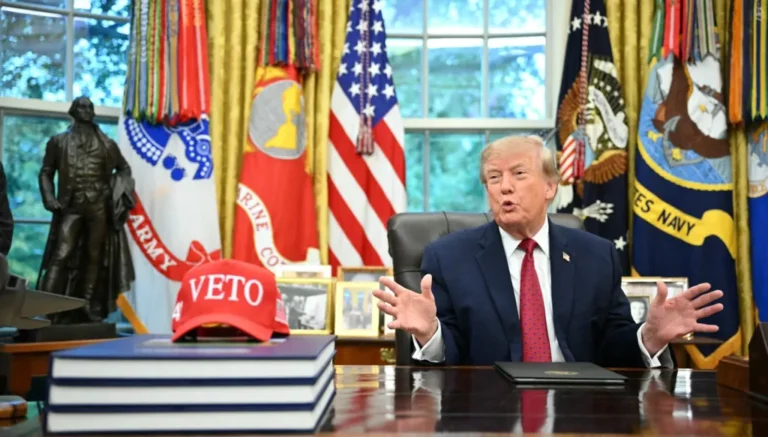
The shift in the balance of power within the U.S. Congress will be one of the most significant new variables, placing Trump before two options: either accept the result and work towards advancing negotiations with Tehran, or risk a military escalation to achieve a victory after the war has exhausted all his political credit.
Ironically, internal pressures may push in both directions. The picture is no different in Tel Aviv, where calculations cannot be separated from American developments.
This does not mean that both parties will decide to expand the confrontation, but the convergence of political pressures could keep the military option present in their calculations, especially if negotiations with Tehran falter or if there are indications that Iran has emerged from the war with its regional influence intact.
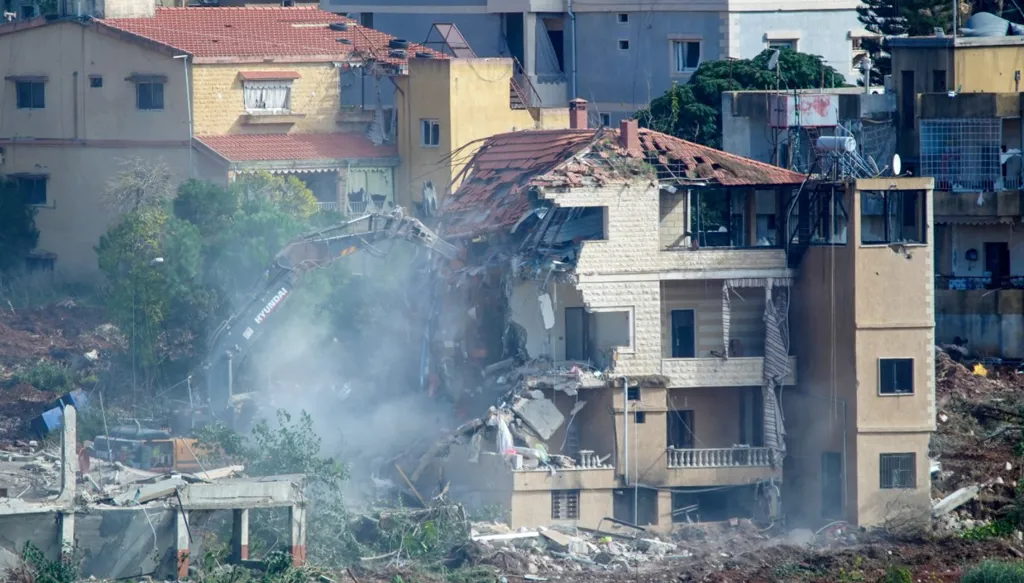
This brings the focus back to Lebanon, where the danger lies in Israel viewing the southern front as an arena for increasing pressure on Iran and Hezbollah and completing its military objectives, particularly as the deployment of the Lebanese Army, Hezbollah's disarmament, and an Israeli withdrawal remain subject to questions over the state's ability to implement them.
Notably, negotiations remain in their initial stages. Israel ties its withdrawal to tangible progress in disarmament, while Hezbollah links any discussion of its weapons to Israel's withdrawal and the cessation of its violations. This contradiction makes existing understandings vulnerable to destabilization with every development on the ground.
Therefore, the chances of escalation in Lebanon cannot be underestimated, given Tehran's control over Hezbollah's decisions on war and peace. The party has reaffirmed this commitment by announcing the rebuilding of some of its military capabilities, notably in drones and explosives, while receiving additional Iranian funding. The disclosure of explosives has reinforced the domestic impression that the party is preparing to restore its readiness, both internally and against Israel.
Hence, any new collapse in the U.S.-Iranian track could bring Lebanon back to the heart of the confrontation, whether through an Iranian decision to activate regional pressure cards or an Israeli decision to expand operations to prevent Hezbollah from regaining its capabilities.
This worrying picture, compounded by information about the party's involvement alongside the Houthis in Yemen, prompted Prime Minister Nawaf Salam to declare from Baabda Palace his rejection of dragging Lebanon into adventures serving external interests, implicitly targeting Hezbollah. The significance of his remarks, coming after a meeting with the President, lies in the fact that they reflect a consensus between them on this position, aimed at sending a message to foreign countries to neutralize the nation from ongoing conflicts following Trump and Netanyahu's losses and Tehran and Hezbollah's sense of victory.
Another source of concern is the future of UNIFIL after its mandate ends and the lack of agreement on what will replace it. This means Lebanon is heading into a sensitive phase concerning not only the fate of the ceasefire, but also the mechanisms of border control and the implementation of Resolution 1701 after the international force's mission ends.
Lebanon therefore faces two possibilities: either American and Israeli pressures push towards a settlement with Iran, resulting in calm and allowing for the resolution of unresolved issues such as an Israeli withdrawal, army deployment, and border security arrangements, or the failure of a settlement leads to renewed escalation, with Israel using military pressure in Lebanon as part of a broader confrontation with Iran or resuming large-scale operations if it concludes that Hezbollah is regaining its capabilities and poses a renewed threat.
In both cases, Lebanon has no guarantees yet that any U.S.-Iranian agreement will automatically lead to stability on its front, or that the current calm will prevent Israel from continuing its operations.
Disclaimer: The opinions expressed by the writers are their own and do not necessarily represent the views of Annahar.