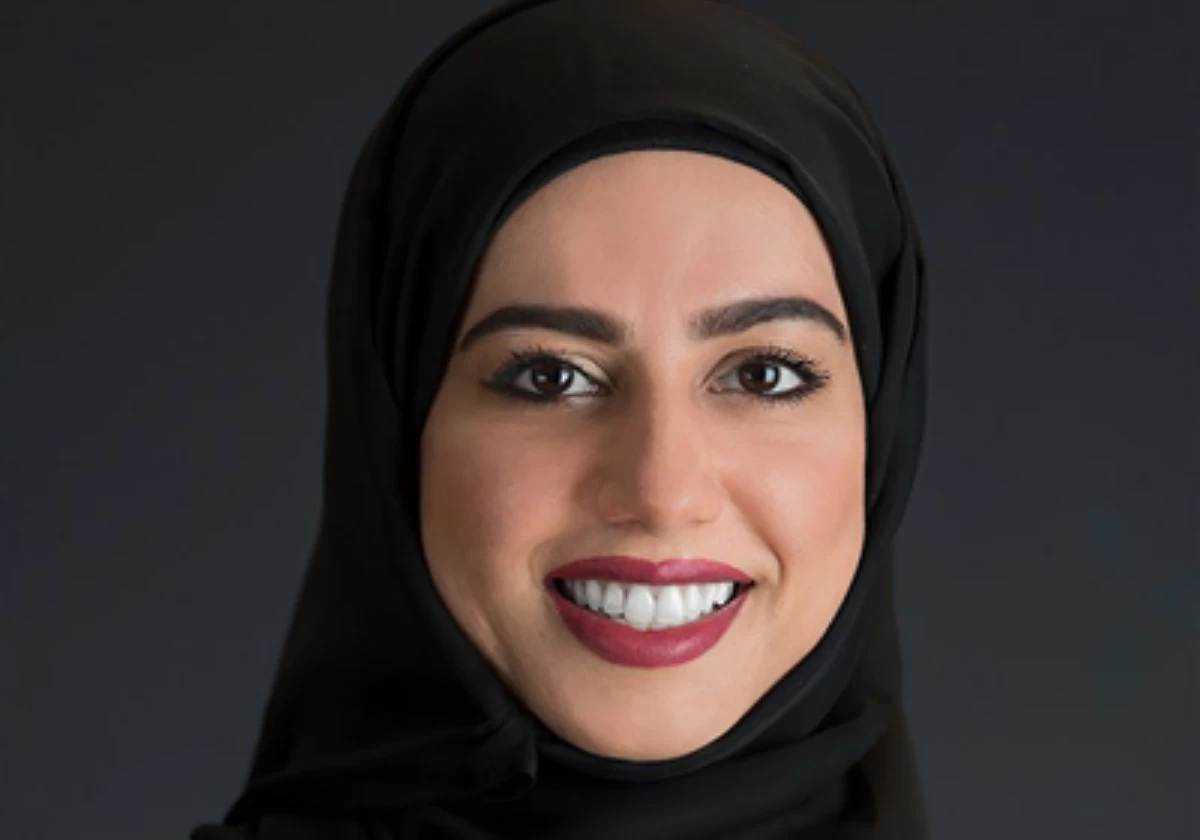
Dubai: Dubai's Knowledge and Human Development Authority (KHDA) has outlined its priorities for the 2026-27 academic year, including improving the performance of schools with high concentrations of Emirati students, strengthening cultural identity and the Arabic language, enhancing student wellbeing and protection, empowering parents, expanding affordable education options, and developing Emirati talent across the education sector.During the academic year, KHDA will also continue efforts to attract international higher education institutions and international students, support research and innovation, strengthen AI literacy, financial literacy and future skills, and expand career-readiness programmes and education pathways.The priorities were discussed during the KHDA Media Majlis, which brought together KHDA leadership and media representatives to discuss developments in Dubai's education sector, the implementation of the Education 33 (E33) Strategy, and key initiatives planned for the next phase.Since the launch of the Education 33 Strategy two years ago, KHDA has introduced more than 20 game-changer initiatives and developed 28 policies, guidelines and regulatory frameworks focused on placing learners at the centre of the education journey.These initiatives cover areas including education quality assurance, future skills, Arabic language education, national identity, inclusive education, teacher wellbeing, digital transformation, artificial intelligence, flexible regulation and the empowerment of students, educators and families.Dubai's private education sector continues to grow, with 406,563 students enrolled in private schools at the start of the new academic year, compared with approximately 388,731 students in June 2026, representing growth of 4.6 per cent.The emirate has also seen the opening of 51 new private educational institutions during the past two academic years. This academic year alone, 26 new institutions opened, including 17 early childhood centres, seven schools and two international higher education institutions.The new schools added nearly 17,000 seats, while the new early childhood centres contributed more than 1,700 seats. Approximately 18,000 additional affordable seats are expected to be added over the next two academic years.Aisha Miran, Director-General of KHDA, said: "Dubai's Education 33 Strategy is the compass that guides our work and sets out where we want Dubai's education ecosystem to be by 2033. Two years since its adoption, we have made important progress, but our ambition extends further. We want its impact to reach every student, family, teacher and educational institution in Dubai."She added: "Every initiative we launch, policy we develop and partnership we build contributes to an education ecosystem that responds to the needs of learners, develops their skills, strengthens their identity and expands opportunities, while supporting Dubai's global competitiveness."Miran also highlighted the role of the media in helping families and communities stay informed about developments in the education sector.She said: "The Media Majlis reflects our commitment to maintaining an open and continuous dialogue with the media and sharing our progress, priorities and next steps clearly."KHDA said quality assurance visits to private schools will resume during the current academic year, with the authority continuing to apply its regulatory framework for performance standards.The academic year will also see the formation of the second cohort of the Dubai Students Council, alongside the launch of the first Dubai Parents Council and Dubai Educators Council, giving students, parents and educators a platform to contribute to the development of the education sector.Since the adoption of the Education 33 Strategy, KHDA has organised more than 20 parent awareness sessions, reaching over 5,000 parents on topics including positive parenting, family resilience, digital safety and supporting children during periods of stress.The authority will also continue developing programmes under the City of Students initiative to enhance the experience of higher education students studying in Dubai and attract more international students, talent and institutions.Dubai's private education landscape has recorded annual growth of 4.6 per cent across early childhood education, schools and higher education over the past three academic years.The higher education sector has seen the opening of 11 new higher education institutions during the past three years, alongside a 29 per cent increase in enrolment.Two internationally recognised universities are opening in Dubai during the current academic year. Peking University HSBC Business School will launch its MBA and EMBA programmes in January 2027, while the American University of Beirut's Dubai campus opened in September 2026.