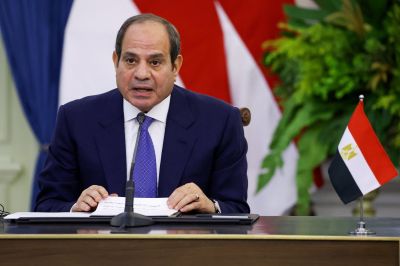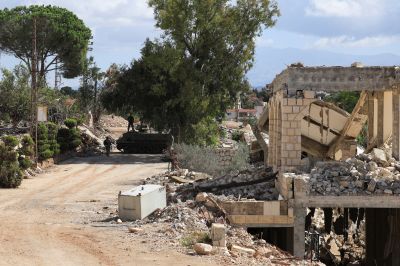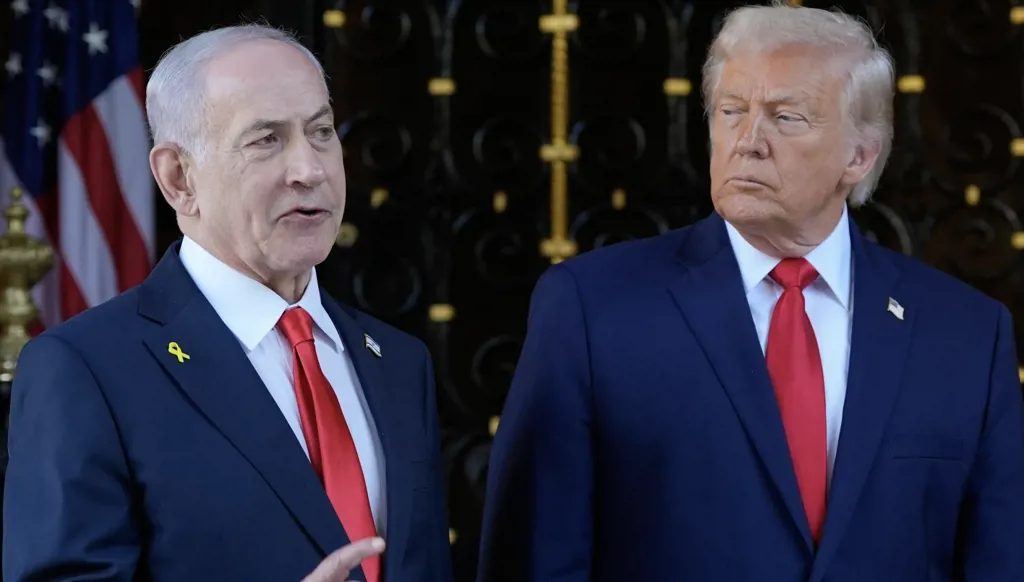
Washington and Tel Aviv are nearing readiness for another strike against Iran, but polling stations may come before warplanes. On October 27, Israeli Prime Minister Benjamin Netanyahu faces a vote that could determine his political future. A week later, on November 3, U.S. President Donald Trump faces the test of the midterm elections amid mounting economic and public pressure. Between these dates, military preparations for a strike on Tehran are advancing, while the timing remains contested between the demands of war and the electoral calendar.
According to reports by The New York Times, citing American officials and insiders, the United States and Israel have prepared plans for new strikes after the U.S. elections. The targets include energy sites, nuclear facilities, missile arsenals and drone operations. Military drills, including aerial maneuvers over Iraq, have intensified alongside the deployment of forces, aircraft carriers and American fighter jets, which are expected to be fully ready by early November.
The report noted that the possibility of launching an attack before the end of October remains slim, while the option of not carrying it out is still on the table. On October 8, Trump announced that he would not initiate strikes before the elections, having postponed previous plans. In a notable development, Netanyahu denied on Thursday, October 22, reports that Trump had prevented him from attacking Iran, without disclosing the content of their discussions. His denial leaves the dispute over timing unresolved.
In Israel, the confrontation with Iran is closely tied to Netanyahu’s security image and his ability to attract voters ahead of the polls. In the United States, the cost of war is intertwined with gasoline prices, purchasing power and Republican efforts to retain control of Congress. A Reuters/Ipsos poll published on October 19 showed Trump’s approval rating falling to 31% amid dissatisfaction with the cost of living and rising fuel prices.
Dr. Robert Rabil, a political science professor at Florida Atlantic University, tells Annahar that concerns about the midterm elections do influence Trump’s decisions. However, he distinguishes these electoral calculations from complete control over foreign policy, particularly on national security matters. As commander-in-chief, the U.S. president retains considerable latitude in decision-making.
By contrast, Rabil believes that an electoral defeat could cost Netanyahu his position, and he does not rule out a strike against Iran to reinforce his image as a strong leader or an escalation that could lead to the postponement of elections. He stresses, however, that this remains a political possibility rather than a settled course of action.
Karim Emile Bitar, a professor of international relations at the Political Science Institute in Paris, offers a similar assessment. He tells Annahar that escalation could give Netanyahu an opportunity to place security concerns at the center of the political debate or present himself as a leader confronting an existential threat, potentially even delaying the elections. For Trump, however, war could become a burden on Republicans, particularly amid rising energy prices, increasing living costs and disruptions in the Strait of Hormuz.
Elections, however, do not fully explain the motives behind military decisions. American affairs expert Ali Barada tells Annahar that Israeli and American elections influence decisions on war and peace to varying degrees, while strategic considerations remain firmly in play.
Barada links Trump’s options to his pursuit of gains on the Iranian file, beginning with curbing Iran’s nuclear program and preventing Tehran from acquiring nuclear weapons capability. The objectives also extend to ballistic missiles, drones and threats to navigation, as well as the influence of Iran’s regional allies, from Hezbollah in Lebanon to the Houthis in Yemen and allied groups in Iraq. In this context, a military buildup can serve as leverage in negotiations even before a decision to launch strikes is made.
This is where Trump faces a dilemma. A strike intended to force Tehran into making concessions could provoke responses that widen the confrontation and drive up oil prices, increasing the domestic political cost in the United States. Delaying an attack would give him more time to complete the military deployment and continue diplomatic contacts, but would leave Netanyahu with a narrower window to capitalize on security developments before the Israeli elections.
Despite discussions over their differing priorities, Trump openly declared his support for Netanyahu’s reelection on October 18, praising their partnership in confronting Iran. The move shows that differences over timing do not erase their shared objectives regarding Tehran.
Political researcher Mohamed Kawas tells Annahar that war has become a common element in American and Israeli electoral rhetoric. He believes Trump’s support for Netanyahu strengthens their image among voters, while demonstrations of military readiness serve political and media purposes alongside their military implications.
Kawas adds that the message is also directed at Iran. Trump’s support for Netanyahu signals the possibility of strikes after the U.S. elections, even as diplomatic efforts continue.
Rabil, meanwhile, notes that Netanyahu’s continuation in power could strengthen joint military coordination if negotiations reach a stalemate. However, he points to opposition to the war both within and outside the American administration, indicating that Trump has yet to make a final decision.
The polls, therefore, may determine the timing of the confrontation without deciding whether it will happen. By November 3, voters will have made their choices, and American forces will be close to full readiness. The central question remains whether Washington will use that preparedness to force a deal with Tehran or turn its military plans into actual strikes.