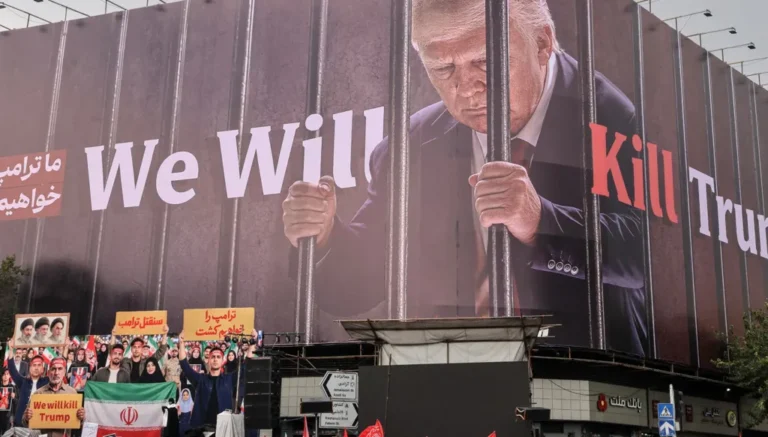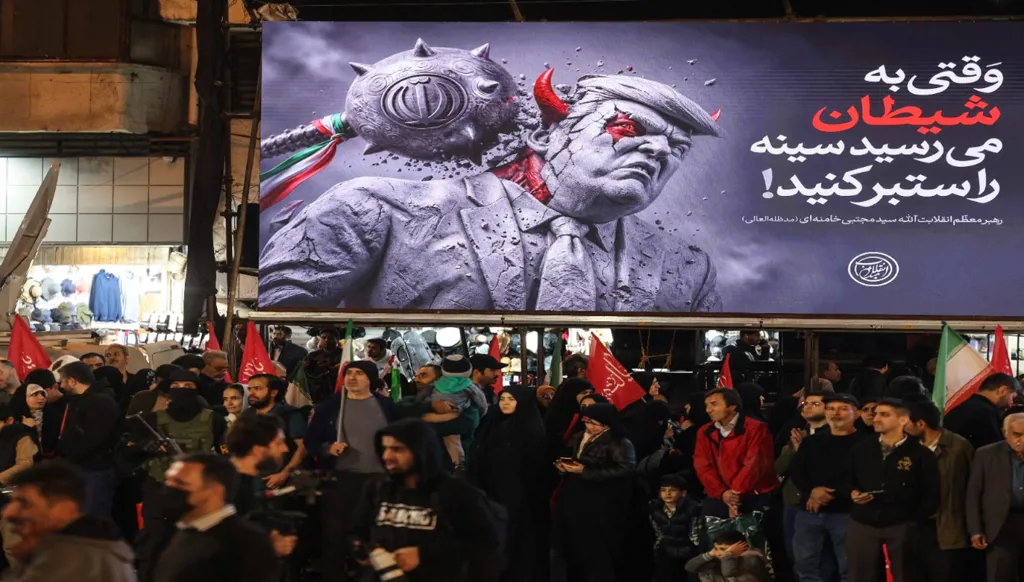
The New York Times reported on Thursday that Iran is reviewing a set of proposals presented by mediators regarding the future of its nuclear program, potentially marking a step forward in diplomatic efforts to end hostilities with the United States and prevent a renewed military confrontation between the two countries.
According to the newspaper, which cited five officials familiar with the negotiations, including one American official and two Iranian officials, Tehran has signaled a willingness to resume nuclear talks after weeks of refusing to make concessions. The officials described the provisions as "tangible proposals" but did not disclose further details.
Vice President J.D. Vance has emerged, according to three officials, as one of the key supporters of Qatari efforts to prevent military escalation, particularly as he seeks to distance himself from President Donald Trump. Vance has blamed the war for the significant losses Republicans suffered in last week's midterm elections.
Last month, Vance sent a letter to Mohsen Rezaei, head of Iran's Supreme National Security Council, proposing the resumption of direct peace talks that would include Iran's nuclear program.
Before the American-Israeli attack on Iran in late February, Vance was one of the leading opponents of a full-scale war within Trump's inner circle. He warned the president that the conflict could lead to regional chaos and a large number of casualties.
On Monday, Vance said progress had been made in communications with the Iranians, while noting that Trump retained both "military" and "non-military" options.
He added: "The president and I are relatively optimistic about the prospects for reaching a settlement through negotiations."
The diplomatic efforts come as Trump and Israel consider launching a large-scale attack on Iran, after the American and Israeli armies prepared a list of potential targets, including energy infrastructure and other vital components of the Iranian economy.
Iran's nuclear program remains one of the main obstacles to reaching a long-term settlement to end the war.
Trump accuses Tehran of seeking to develop a nuclear weapon, while Iranian authorities maintain that their nuclear program is intended for peaceful purposes.
- Rezaei, head of Iran's Supreme National Security Council, said in a televised speech on Saturday that his country would not enter nuclear negotiations before the United States responds to its demands, which include:
Lifting sanctions on Iranian oil.
Ending the American maritime blockade on Iranian ports.
- However, officials who spoke to the newspaper said Rezaei had expressed greater openness to discussing the nuclear issue during undisclosed talks. Senior Iranian officials, including Foreign Minister Abbas Araghchi and Parliament Speaker Mohammad Bagher Ghalibaf, participated in negotiations with the Qatari side.
- The fate of Iran's stockpile of highly enriched uranium remains one of the main points of disagreement between the two sides:
Trump demands that Tehran abandon the stockpile, which has been described as "nuclear dust."
Iranian officials insist that the uranium must not be transferred outside the country.
In previous rounds of negotiations, Iran discussed the possibility of reducing enrichment levels within its borders under the supervision of international inspectors.
- The International Atomic Energy Agency (IAEA) estimated in a report published this year that Iran possessed approximately 440 kilograms of uranium as of June 2025, equivalent to about 970 pounds of highly enriched uranium, which experts say could be used to develop a limited number of nuclear bombs.
Two officials told the newspaper that Iran and the United States were reviewing the latest proposals from mediators as of Thursday morning, with the aim of narrowing the remaining differences between their positions.