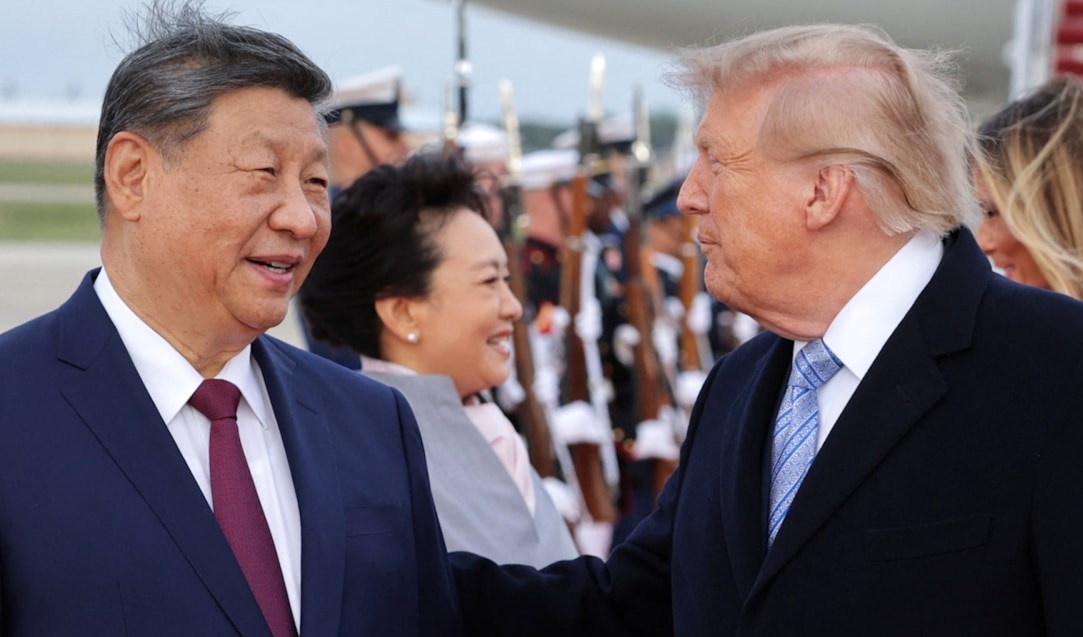
Diplomatic consultations between Iran and the US continued on the sidelines of the UN General Assembly, aimed at reducing tensions and reaching a new agreement to end the regional war. So far, there has been no sign of progress. According to diplomatic sources who spoke to Al-Akhbar, Tuesday's meeting in New York between Iranian Foreign Minister Abbas Araghchi, US presidential envoy Steve Witkoff and Trump’s son-in-law Jared Kushner focused on presenting the two sides' “new conditions” for an agreement. No “common point of understanding” was reached. The sources said neither side is now seeking a return to the June 18 memorandum of understanding. Both want changes to some of its provisions, further complicating the negotiations. Each side appears to be using developments on the ground to strengthen its negotiating position. Iran is relying on the leverage of the Strait of Hormuz and its potential impact on the global economy, while the US is relying on the naval blockade and tighter economic pressure on Tehran. Washington is demanding the restoration of normal shipping through Hormuz and restrictions on Iran's nuclear program. Meanwhile, Iran is demanding an end to the war on all fronts, including Lebanon and Gaza, the lifting of the naval blockade, the release of frozen assets and the preservation of the Iranian-Omani understanding on navigation through Hormuz. It also wants no restrictions on its nuclear program at this stage. Tehran proposes that the issue be deferred to subsequent negotiations, as was envisaged in the Islamabad memorandum, after the US fulfills its commitments. With both sides maintaining firm positions, an agreement in the near term appears difficult. Iran is still hoping that continued attrition will contribute to a Republican defeat in the US midterm elections and weaken President Donald Trump's position. As for Washington, it is counting on economic pressure to trigger divisions within Iran's political system or domestic unrest that could ultimately weaken Tehran's position. Despite the lack of results from the New York meeting, diplomatic consultations and mediation efforts continue. Recent moves appear aimed at preventing the diplomatic track from reaching a dead end and avoiding prolonged attrition or a wider war between the two sides. Iran is placing war and diplomacy on the same agenda as it prepares for the next phase. Attention has also turned to the meeting between Chinese President Xi Jinping and Trump and whether it could help break the deadlock. China's state news agency reported that Xi told Trump he supported a return to a peace agreement between Iran and the US. Pakistan is also maintaining its mediation efforts. Prime Minister Shehbaz Sharif said in New York on Wednesday that Pakistan was acting as a “sincere and honest mediator.” Despite unexpected developments after the Islamabad memorandum was signed, he said, Pakistan is determined to “make effort and make progress to de-escalate the situation.” Alongside these diplomatic efforts, Iranian President Masoud Pezeshkian and Araghchi held numerous meetings on the sidelines of the UN gathering, mostly with European and Western officials, including the NATO secretary-general, the president of the European Council and Germany's foreign minister. Iran used the meetings to warn against joining the US campaign against Tehran and sought to counter Washington's narrative about the conflict. Pezeshkian adopted the same approach in his address to the General Assembly, rejecting Washington's portrayal of Iran as a “terrorist state” and describing Iranians instead as “victims of terrorism”. He said Iranians would withstand unjust aggression and war while stressing that Tehran remained ready for negotiations and diplomatic solutions. Iran is placing war and diplomacy on the same agenda as it prepares for the next phase. Meanwhile, Yahya Rahim Safavi, the military adviser to Iran's Supreme Leader, warned that further US and Israeli attacks could expand the conflict geographically “as far as the Indian Ocean.” In a video broadcast by Fars News Agency, Safavi said that as the conflict had already extended from the Gulf and Strait of Hormuz to the Red Sea, it could spread further in response to another war. “The connection between Iranian territorial waters and the Red Sea, and between the Straits of Hormuz and Bab Al-Mandab, will change the battlefield,” he said. “If the US starts another war, a new front could open around the Red Sea and Bab Al-Mandab.” “We and the Yemenis share a common fate and defend one another,” Safavi added. At the same time, he left the door open to a diplomatic arrangement. “If Washington implements our seven proposed terms, I believe Iranian officials could consider mechanisms for the passage of ships through the Strait of Hormuz in a different way,” he said. This is an edited translation for an article published in Arabic.