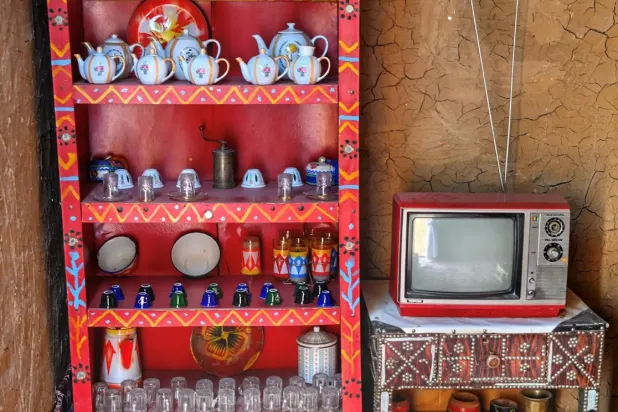
The International Day of Intangible Cultural Heritage, observed annually on October 17, highlights the importance of preserving human heritage as an integral part of communities’ national identity and an opportunity to raise awareness of the need to protect it from disappearing amid the rapid transformations taking place around the world, SPA reported. Makkah has a distinctive cultural and social character shaped by its religious and historical significance and its role as a gathering place for pilgrims, Umrah performers, and visitors from around the world. This has contributed to the diversity of its customs and social practices, as well as the emergence of distinctive styles of dress, food, hospitality, and folk arts that have become part of the city’s unique identity over time. The values of generosity toward guests, warm hospitality, social solidarity, and community ties represent an integral part of the culture of Makkah’s residents. These values are reflected in social occasions, holidays, the holy month of Ramadan, and the Hajj and Umrah seasons through customs involving family gatherings, sharing food, welcoming guests, serving coffee and dates, and celebrating various occasions with neighbors and relatives. Traditional Makkah cuisine is one of the most prominent expressions of this heritage, featuring a variety of popular dishes, sweets, and other foods. Their significance extends beyond their ingredients and preparation methods to include the stories, customs, and ways of serving and sharing them that reflect the city’s social life, according to SPA. Traditional crafts and old professions also form an important part of the city’s cultural memory. These include crafts associated with pottery products and traditional household utensils. Documenting these skills is particularly important for preserving inherited knowledge and highlighting its value as part of Makkah’s history of work and production. Celebrating intangible cultural heritage in Makkah carries significance beyond the city itself, given its place in the Islamic consciousness and its rich heritage, which reflects the interaction of human cultures across the ages. Preserving this legacy remains a shared responsibility requiring coordinated efforts by institutions, families, practitioners, and researchers to ensure the continuity of inherited practices and safeguard their cultural and social value.