An extraordinary thing happened in Tabuk on Sept. 30.
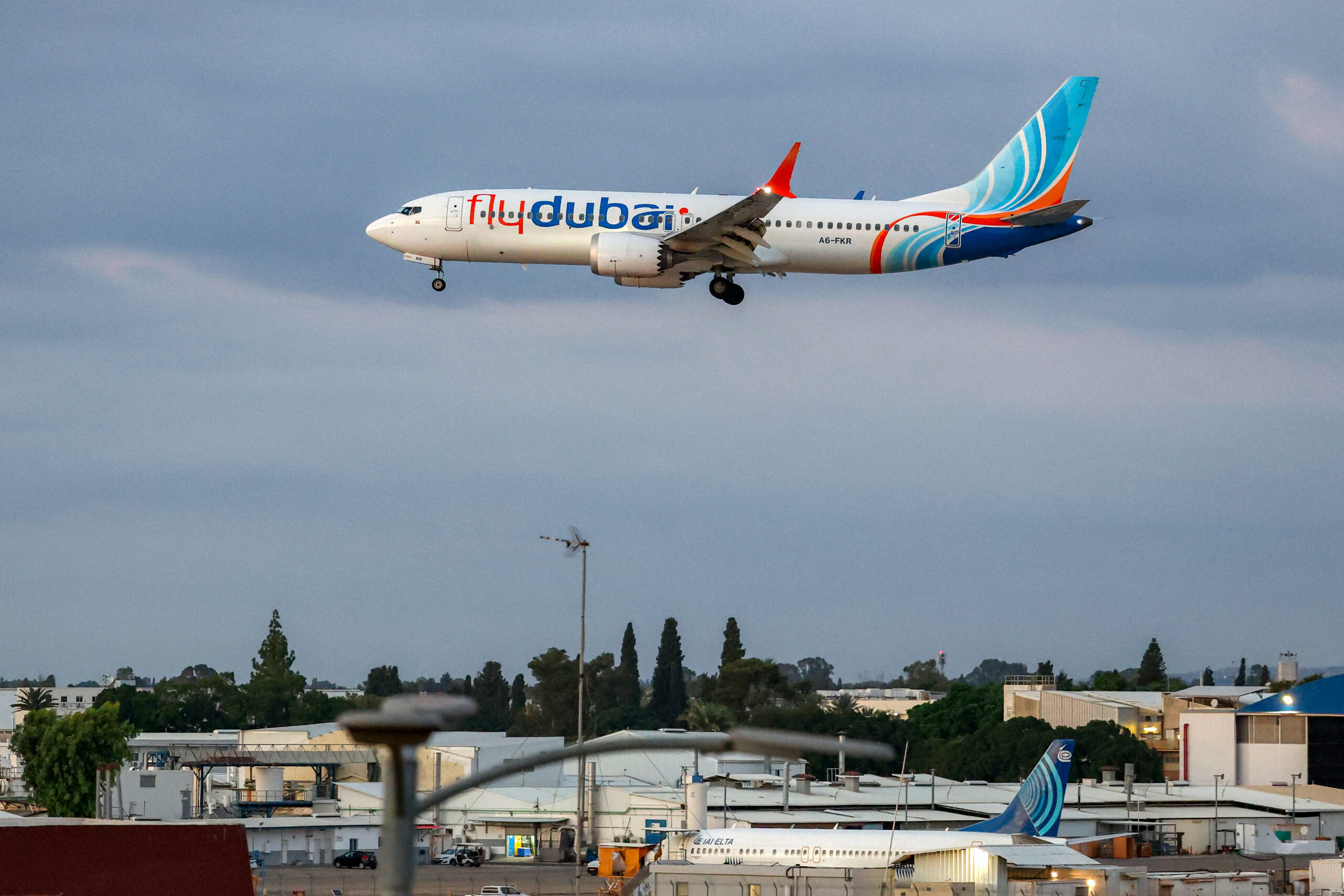
A FlyDubai flight carrying 174 people, most of them Israelis, made an emergency landing in Saudi Arabia after a terrifying altercation in the cockpit. The aircraft lost more than half its altitude before crew members and passengers helped bring the situation under control.
The motive remains under investigation. Yet another part of this story is already clear.
When these frightened Israeli passengers landed in a country that does not have diplomatic relations with Israel, they were met with Saudi hospitality. Saudi medical personnel checked their blood pressure, airport staff provided food, and passengers received care.
Almog Italie, one of the Israeli passengers, told Arab News: “Saudi Arabia took care of us, and it was the best hospitality I ever experienced.”
Italie then offered a hope that should resonate throughout the region: He wants to return one day in peace.
I have spent more than 20 years building relations between Muslims and Jews. That experience has taught me that political agreements can open doors, but only human encounters persuade people to walk through them. There is no substitute for the presence of Muslims and Jews in one another’s lives.
At the end of the day, we are human beings bound by the most natural form of love: the instinct to protect another life.
I repeatedly tell audiences around the world that the children of Abraham are bound by a common faith and a common fate. In Tabuk, those bonds became something immediate and deeply personal. Saudis and Israelis were bound by their common humanity.
We should be precise about what happened. This was an emergency landing, not normalization. Saudi Arabia has made clear that diplomatic relations with Israel must be accompanied by an irreversible path toward Palestinian statehood. Nothing that happened in Tabuk changed that position or resolved the profound political disagreements facing the region.
Yet refusing to exaggerate this moment does not mean we should fail to understand its significance.
Saudi professionals saw people in danger and treated them with dignity. Israeli passengers returned home speaking warmly about the Saudi people who had cared for them. For those few hours, neither side encountered the other through speeches, political slogans or social media. They encountered one another face to face.
The Saudi people were no longer an abstraction to those passengers. They were the people who welcomed and cared for them during one of the most frightening moments of their lives. The Israelis who arrived in Tabuk were not political symbols. They were human beings in need of help.
The flight itself tells another story about how far the Middle East has already traveled. A regular commercial route between Dubai and Tel Aviv exists because the UAE and Israel established relations through the Abraham Accords. A journey once considered impossible became routine. Six years later, when an emergency unfolded on that route, the aircraft landed safely on Saudi soil.
Future peace between Saudi Arabia and Israel would represent the reconciliation of the spiritual center of Islam with the spiritual center of Judaism. Its significance would reverberate far beyond two nations. It could create opportunities for direct travel, medical cooperation, commerce, and interreligious engagement while supporting a serious path toward Palestinian dignity and statehood.
Peace cannot be limited to agreements between governments. It must create relationships between peoples. A treaty can establish an embassy, but only human contact can replace suspicion with trust.
Judaism teaches that preserving human life overrides almost every other religious obligation. Islam likewise regards saving life as sacred. In Tabuk, that shared teaching was not discussed at an interfaith conference or delivered in a sermon. It was lived.
Some may dismiss the Saudi response as ordinary airport protocol. Yet values are revealed through the way institutions and people act under pressure. At the end of the day, we are human beings bound by the most natural form of love: the instinct to protect another life.
Muslims and Jews will not agree on every political question. Peace does not require us to abandon our identities or surrender our convictions. It requires us to recognize that the life of the person standing before us is as sacred as our own.
When the diplomatic opportunity for Saudi-Israeli peace arrives, leaders should remember what happened in Tabuk. The road to peace may begin not at a negotiating table, but with a Saudi medic taking an Israeli stranger’s blood pressure on an airport runway.
Rabbi Marc Schneier is president of the Foundation for Ethnic Understanding and the founding senior rabbi of The Hampton Synagogue. He is a noted adviser to many Gulf states.
Rabbi Marc Schneier is President of the Foundation for Ethnic Understanding and a noted adviser to many Gulf states.
Stay on top of the issues that matter to you the most.