Add as preferred on Google
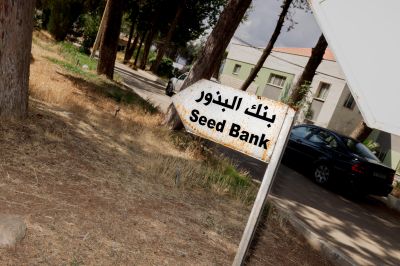
Located in the East of the Bekaa, the "seed bank" preserves thousands of seeds from the 2,600 different genera of Lebanese flora. (Credit: Tamara Saade/L'Orient-Le Jour) Add as preferred on Google Picture a bend in the road. Across from it stands a small furniture shop, followed by a private lot beside the road. There, like a peacock displaying its feathers, about 15 irises (sawsan) have unfurled their white petals, speckled with purple. In May 2020, the village of Mais al-Jabal, in the Marjayoun district, was in full bloom. The sight was rare: The flowers bloom for no more than five days a year. Here, just a stone's throw from the south Lebanon border, botanist Magda Bou Dagher-Kharrat saw Iris lortetii for the last time.Only a tiny population remained, reduced to about 15 plants. Bou Dagher-Kharrat hoped to collect a few seeds to preserve the species outside its natural habitat in case it came under threat. But the project never got off the ground. In 2021, a lack of funding halted the collection effort as Lebanon sank... You have reached your article limitStay informed about a Middle East in crisis.Subscribe for $0.5/month for the first 3 months. Subscribe now Log in This article is only available to L’Orient Today subscribers. Subscribe now Log in Create a free account to continue reading this article. You’ll also receive The Morning Brief, our must-read daily digest of Middle East news. Opt out anytime Email Address Password Email Address Password I would like to receive special offers from L'Orient Today as well as selections of the best articles. Register By creating an account, you agree to the terms and conditions of use and our privacy policy. Register Or register with: Facebook
Already have an account? Login here