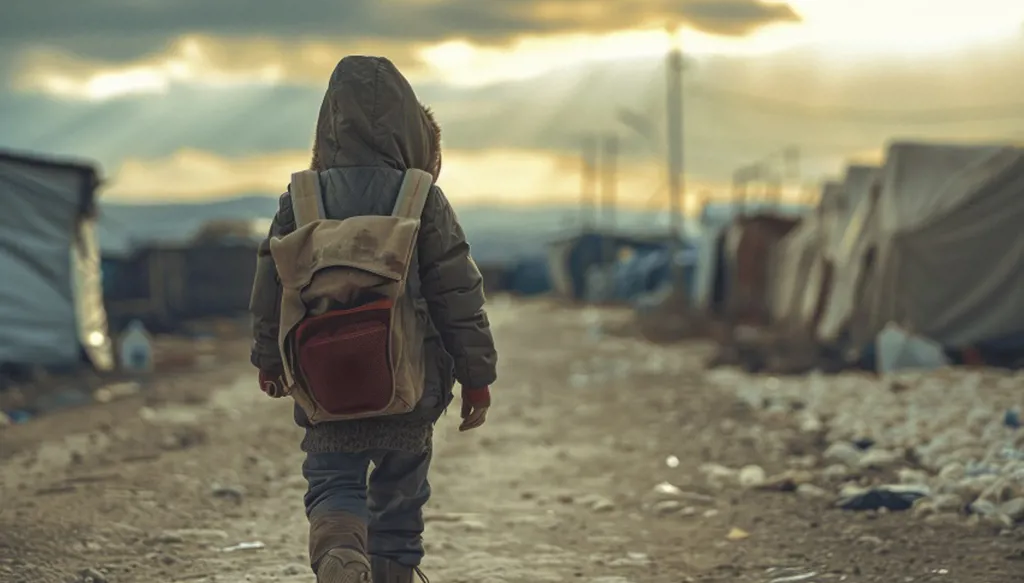
In a place of displacement, a student opens his book to the page his teacher asked him to review. He reads a line, then looks up when he hears his parents discussing the possibility of moving again. He returns to the page, but another question occupies his mind this time: Where will we sleep tomorrow?
The next day, he might come to class with incomplete homework. It is easy for the teacher to see what is missing from the notebook. The harder part is knowing how the student spent the night trying to complete it.
In a conversation with "Annahar," psychologist Anne Marie Younes explains how war and displacement affect students' education in two ways. The direct impact appears in attention deficits, difficulty concentrating, and limited time available for studying. The indirect impact begins outside the classroom, with changes in residence, the destruction of a home, or the loss of a loved one, before reaching the student's desk. Some of the effects of these experiences may remain even after classes resume normally.
I think about the student who sat in front of his book for half an hour, only to discover that he had barely made it through a page. How many times did he return to the same line before setting the book aside?
Younes explains that the psychological pressure caused by war and displacement may manifest in attention deficits and difficulty following explanations or completing assignments. Anxiety about school performance may also increase, causing students to worry about making mistakes or experiencing a decline in their performance while trying to solve exercises.
She adds that some students may appear less enthusiastic about studying, experience a drop in energy, or lose interest in activities they previously enjoyed. These changes can affect their classroom participation and academic progress.
A student may find his book and pencil, yet continue searching for a quiet hour in a day partly spent on the road or waiting for the family to find out where they will sleep.
This reduction in study time directly affects the student's ability to keep up with lessons. They may struggle to attend some classes regularly or find enough time to review their work.
When we hear about a house being destroyed, I think about its details as a child who lived there would remember them: the table where he spread out his notebooks, the voice of a friend calling from below the building, and the route he took to school.
Displacement and changes in residence disrupt the daily routines students relied on. Their new surroundings may lack a quiet space for studying, while they might find themselves separated from friends or facing a different route to school. Alongside the loss of their homes and the memories associated with them, some children may also grieve the loss of a loved one.
Younes explains that these losses can manifest in the classroom, even when students do not talk about what they have experienced.
The school may ask parents why their child was absent on the very day they are trying to find somewhere for the family to sleep. This gap between the questions highlights how priorities shift.
Against this backdrop, she points out that family priorities change in times of danger. The focus shifts to securing shelter, food, and healthcare, while a family member may be absent or roles within the family may change. Under these circumstances, parents may have limited ability to follow up on lessons and assignments.
She highlights an issue she believes deserves greater attention when discussing war and education. Academic delays can be tracked and made up for. However, psychological effects are harder to assess, and it is difficult to know when they will fade. The effects of trauma may extend beyond the time students need to catch up academically. Attendance may return to normal, while the fear associated with displacement or the grief of losing a loved one remains part of their daily lives.
She points out that the impact of these experiences can extend to multiple aspects of a child's life. Therefore, she believes mental health should be central to post-war recovery plans.
The same psychologist believes that supporting children starts with parents. They should explain, in age-appropriate language, where they are going and who will be with them, while involving them in choosing an item to take along. She also recommends reducing academic pressure and maintaining a familiar, enjoyable habit, such as reading a story before bed.
In the classroom, teachers can give students extra time to complete assignments and help them prioritize which lessons to review first. She emphasizes the importance of support from parents and teachers, as well as coordination between families, schools, and the concerned parties. When professional help is not accessible, reliable materials and age-appropriate exercises, alongside parental guidance wherever available, can serve as valuable resources.
Finally, on the morning of their return to class, the conversation with students can begin with a single question: "What makes it easier for you to follow today's lesson?"
They may ask to sit next to a friend or request an explanation of a lesson they missed. In the days that follow, they deserve to find someone asking them again, as they become better able to understand their needs and feel comfortable expressing them.