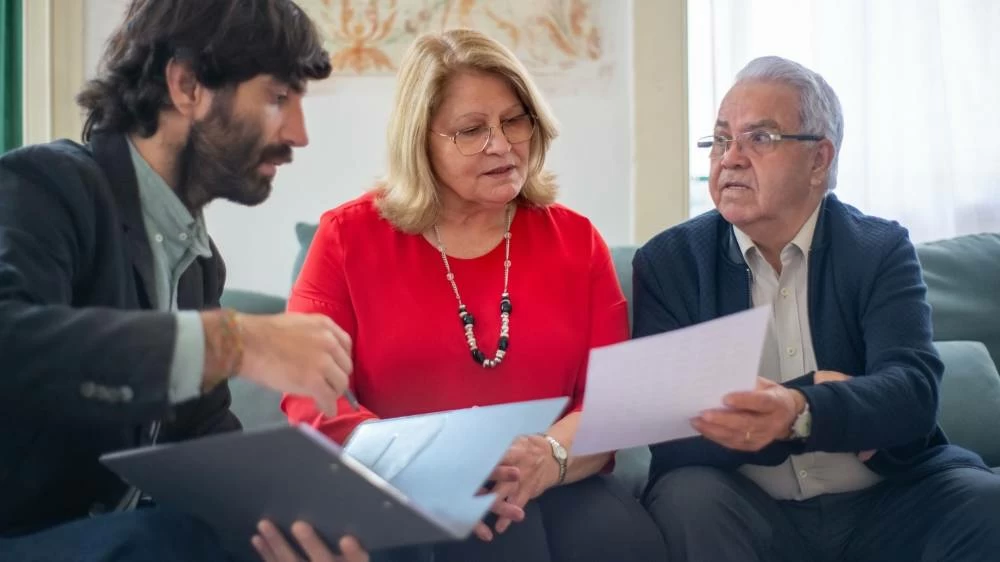
Dubai: Have you considered making a will? What happens to your assets if you don’t have one, in the UAE?
Making a will isn’t just a way to distribute assets – it’s an important way to protect your family’s future, and ensure your wishes are respected, even if you are not there to voice them. We break down all the essential aspects around creating a will below, to help you make informed decisions and prepare for the future.
Why create a will in the UAE?
Regardless of how much money, property or general assets you have, creating a will is crucial, especially for expatriate residents.
Awatif Al Khouri, senior Emirati advocate and founder of Awatif Mohammad Shoqi Advocates and Legal Consultancy, explained: “Even modest savings, bank accounts, vehicles, end-of-service benefits or personal belongings may form part of their estate. Having a properly drafted and registered will may help prevent inheritance disputes, minimise legal complications and ensure that their assets are distributed according to their wishes.”
Who is eligible to make a will in the UAE?
Under the general framework of the UAE Civil Transactions Law, the legal age of majority is 18 years. Anyone from this age onwards can register a will.
Where can residents make a will?
Residents have several options for registering a will in the UAE, including Dubai Courts, the Dubai International Financial Centre (DIFC) Courts Wills Service and the Abu Dhabi Judicial Department. According to Awatif, each has its own requirements, so the choice depends on the person's circumstances.
Dubai Courts: Allows residents to register their wills under UAE law. Non-Muslim expatriates may register a will in the Dubai Courts and choose to apply either their home country's laws or the Civil Personal Status Law, which governs matters based on secular, non-religious rules. For Muslims registering a will in Dubai Courts, Sharia principles apply. Awatif explained: “Under these rules, a person is generally allowed to give away a maximum of one-third of their estate to people who are not their standard legal heirs.”
DIFC Courts: Non-Muslims may also register their wills through the DIFC Courts Wills Service, which offers options for covering property, bank accounts, business interests and guardianship of children. It offers a separate legal system to let people state how their assets should be shared.
Abu Dhabi Judicial Department: Expatriates may register a will at the Abu Dhabi Civil Family Court, which allows them to distribute their property under the Civil Personal Status Law rather than Sharia.
Awatif advised: “Before deciding where to register, residents should look at where their assets are located, the costs involved and how their heirs would go about claiming those assets after their death. A person making a will may also state which country's law they wish to govern their will.”
What happens if someone dies without a will in the UAE?
Dying intestate – without a valid will – registered in the UAE, may lead to the country’s courts determining the outcome for everything you own.
Awatif said: “Where a person dies without a valid will, their assets may be distributed according to the applicable inheritance laws. The law may vary depending on the religion or nationality of the deceased at time of the death. Muslims will be governed by the Sharia principles, whereas non-Muslims may be governed by the Civil Personal Status Law, unless one of the heirs request the law of the country to which the deceased belonged to at the time of death.”
One crucial aspect of will arrangements is to record who should care for your minor children in your absence. Without clear direction in a registered will, this decision is left up to the courts. Awatif said: “Regarding minor children, guardianship arrangements may be determined by the courts based on the best interest of the child.”
Which law applies to the will?
In a multicultural country like the UAE, where people from over 200 nationalities live and work, you might wonder which law applies to a will – Sharia law, civil law, or the law of the home country of the person who has passed away.
Awatif clarified that the law that is applied is tailored to each will, depending “on the person's wish, their religion, and where they register the document”.
Under the UAE Civil Transactions Law, a person can name the governing law directly inside the will. Awatif said: “Expatriates can choose to apply the laws of their home country. If the will does not name a law, the terms and conditions may follow the law of the person's nationality at the time of their death.”
She added that it is important to note that under general UAE laws, legal heirs always have the right to file a court case if they have a genuine dispute about whether the will is valid or how it is being applied.
Can a will that is made in another country be used in the UAE?
What happens if you already brought along a registered will with you from a different country?
Awatif explained: “A will prepared and signed in another country may be recognised and enforced in the UAE, even if it was not registered with a UAE authority. This applies to expatriates who have prepared wills in their home countries but also own assets, such as bank accounts, property or investments in the UAE.”
However, a foreign will does not automatically take effect in the UAE. After the person's death, the heirs may need to approach the UAE courts to seek a judgment, allowing the will to be implemented.
Awatif said: “For instance, in Dubai, a non-Muslim heir may approach the Dubai Courts to implement a will prepared abroad. To proceed with the case, the heir may need to provide certain documents, including an attested copy of the foreign will, a certified Arabic translation and a certified copy of the foreign law that applies to the will. The court may then examine the validity of the will, which country's law applies and whether its provisions comply with UAE laws.”
It is also important to consider the type of assets covered by the will. Awatif explained: “For example, where the deceased owns immovable property (assets that are fixed to a specific geographic location, like real estate) in the UAE, the applicable UAE laws must be considered before the property is transferred. Once the court allows the will to be implemented, the heirs may proceed with transferring or distributing the assets after settling any outstanding debts and liabilities of the estate.”
At the end of the day, the recognition and enforcement of a foreign will in the UAE is up to the discretion of the local courts. Awatif advised individuals making a will to consider consulting a lawyer regarding the validity of their foreign will, and registering it with one of the UAE authorities.
Should you create one will that covers all assets, or separate wills for the UAE and abroad?
According to Awatif, a single will can cover assets located in different countries. However, whether a person should have one or separate wills depends on where their assets are located and the legal requirements of each country.
She said: “An expatriate who owns property, bank accounts or investments in both the UAE and their home country may prefer to prepare separate wills for each country. This may make things easier for the heirs, as each country may have different procedures for recognising a will and transferring assets after a person's death.”
A single will covering assets in different countries may also be sufficient, provided it meets the relevant legal requirements. “However, even with one will, the heirs may still have to go through separate legal procedures in each country to receive the assets.”
When preparing separate wills, she said it is important to ensure they do not conflict with each other: “For instance, a will made in the UAE should clearly state which assets it covers and should not accidentally cancel an earlier will made in another country. This may help prevent confusion and disputes among the heirs when the estate is distributed.”
What are the steps to creating a will?
The process of making a will in the UAE involves the following steps, according to Awatif:
Initial consultation: The first step involves discussing the person's family circumstances, the assets they own and how they wish to distribute them after their death.
Choosing the registration authority: The person may decide whether to register the will through Dubai Courts, the DIFC Courts Wills Service or the Abu Dhabi Judicial Department, depending on their circumstances and the applicable requirements.
Choosing who will inherit the assets: The person making a will decides who should inherit their assets and what share each person should receive. They may also name other beneficiaries.
Appointing executors and guardians: An executor is appointed to handle the estate after the person's death. If the person has minor children, they may also name a guardian to look after them.
Preparing the will: The will is drafted based on the person's instructions and the applicable laws. The necessary personal details, identification documents and information about the assets may also be collected at this stage.
Reviewing and submitting the will: Before registration, the person should review the will to ensure that all names, asset details and instructions are correct. The document is then submitted to the chosen registration authority.
Signing and registration: The person completes the required identity verification and signing procedures, including witnessing where required, and pays the registration fees. Once the process is completed, the will is registered or notarised, and the person may obtain a copy for their records.
The exact steps, documents and signing requirements may differ depending on the authority where the will is registered.
Common mistakes when creating a will
Despite the most meticulous preparations, certain details may slip through and end up causing complications when it’s time to execute the will.
Awatif said: “Common mistakes expatriates make when preparing a will include relying on a will made in their home country without checking whether it may be enforced in the UAE, failing to appoint suitable executors or guardians for minor children, and not clearly mentioning the beneficiaries or the assets they wish to leave behind.”
One key mistake is not naming an alternative beneficiary or executor. “For instance, if a beneficiary passes away before the person making the will, or an executor is unable to carry out their responsibilities, this may create difficulties when the estate is being distributed.”
Some expats also fail to update their wills when their personal or financial circumstances change. Awatif said: “Events such as marriage, divorce, the birth of a child, or the purchase or sale of property may require changes to an existing will. However, many people prepare their wills and do not review them again.”
Lastly, in cases where expats own assets in different countries, they may prepare separate wills without checking whether the documents contain conflicting instructions. Awatif explained: “In some cases, a newly prepared will may unintentionally cancel an earlier one. Such mistakes may lead to disputes among the heirs and delays in distributing the estate. It is therefore important to ensure that the will is properly prepared, signed and registered in accordance with the applicable requirements. Moreover, if an expatriate resident executes a will in a foreign country, they should ensure that it is valid in the UAE.”