LONDON: Renewed fighting in Yemen triggered by Houthi militant attacks has led to a surge in hunger, with three out of four families in government-held areas struggling to find enough food, the UN warned on Friday.
The number could be even higher in territory controlled by the Iran-backed militia, but the World Food Programme was forced to withdraw from those areas earlier this year under pressure from the group.
The Houthis, who control much of northern Yemen, resumed attacks on pro-government forces at the start of August. Last month the group retook strategic areas of the Red Sea coast.
Scores of civilians have been killed and nearly 150,000 have fled the fighting.“The effect of this latest flare-up of insecurity on the food security situation threatens to be absolutely devastating,” WFP’s Assistant Executive Director for Programme Operations Matthew Hollingworth told reporters in Geneva.
Almost 75 percent of Yemeni households are unable to meet their basic food needs in areas the agency could access, WFP said. The figure is a record number for this year and shows a significant deterioration in food security.
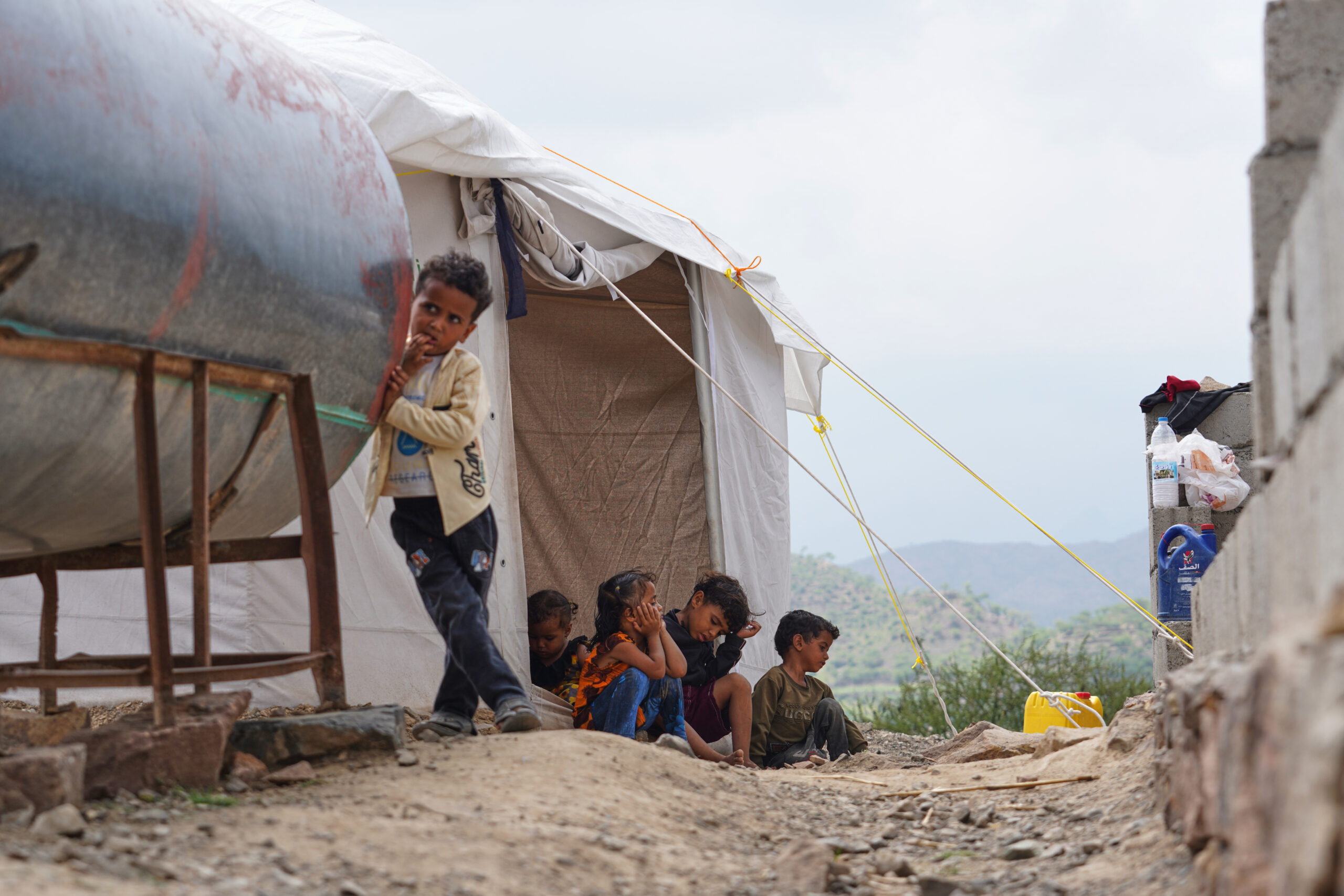
Families fleeing the fighting are surviving on bread they have brought with them and soup made from anything they can find, including leaves and grass, Hollingworth said, adding that families were arriving in government-held areas in Lahaj, outside Aden, and around Taiz, after walking for days without any food or water.
WFP has helped feed more than 70,000 people in recent weeks in those two areas where waves of displaced people have arrived.
But the agency warned that its staff could no longer reach about 350,000 people in areas of Taiz and Hodeidah who have been cut off by the fighting.
The agency said it was scaling-up food assistance for newly displaced families and aimed to reach up to 1.5 million people but warned that aid stocks were being rapidly depleted.
Hollingworth appealed to the international community to help with the $109 million needed to provide emergency food and nutrition and the $158 million to sustain WFP’s regular operations for the next six months.
Yemen was already considered one of the world’s least food-secure countries, with more than 18.3 million lives or livelihoods threatened by a lack of food.
About 2.2 million children under five are acutely malnourished, including 500,000 suffering from the most life-threatening form of malnutrition.The recent fighting has led to a spike in food prices with shortages of wheat flour and vegetable oil.
In a country that imports 90 percent of its food, there are fears that Yemen will be particularly affected by further disruption in the shipping lanes around the Middle East.
The Houthi’s capture of land around the Bab Al-Mandab Strait — the narrow entrance to the Red Sea — has raised fears that another key trade choke point will be disrupted by Iran and its allies.
“Instability around this corridor risks driving food prices higher and deepening food insecurity across a much bigger region — the world,” Hollingworth said.
The WFP is also working to support more than 3,700 Yemenis who have fled across the Red Sea to Djibouti.
The Houthis, who sparked the Yemen war in 2014 when they seized the capital Sanaa, have been accused of weaponizing food aid.
The WFP halted its operations in Houthi-controlled areas in January after dozens of its staff were detained by the group as part of a wider crackdown on UN and humanitarian operations.
Stay on top of the issues that matter to you the most.