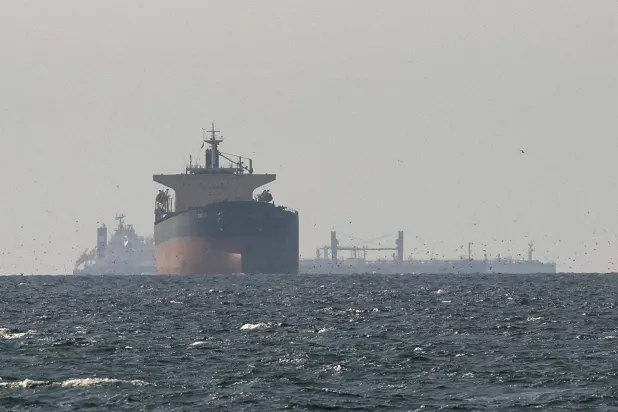
The risks facing maritime navigation in the Gulf are escalating, with an unprecedented rise in attacks on ships and oil tankers since the outbreak of the war. The latest developments are heightening concerns over the security of global energy supplies and pushing oil prices higher. As the United States and Iran trade military pressure around the Strait of Hormuz, the cost and risks of passage through the strategic waterway are increasing, amid uncertainty over the fate of negotiations aimed at ending the war. According to data compiled by the Financial Times from UKMTO reports and European security sources, 24 ships were hit in the two weeks to October 11. The next most intense period of attacks was during the first two weeks of March, when 13 ships were hit. An unknown projectile struck a tanker 68 nautical miles northeast of Jubail on Friday, UKMTO said in a report on Saturday. All crew members were safe and had been evacuated, it said, adding that no environmental impact had been reported. UKMTO later issued a second report on Saturday that a tanker was attacked by a rocket-propelled grenade from a small boat 78 nautical miles northeast of Jubail on Friday, damaging its aft port quarter. All crew members were safe, it said, while the full extent of the damage and the environmental impact was not yet known. Iran's Revolutionary Guards on Saturday said two oil tankers were on fire in the Strait of Hormuz after hitting mines in the waterway. "A supertanker in violation of regulations, carrying more than two million barrels of crude oil and attempting to pass illegally through the Strait of Hormuz, struck a mine, triggering an explosion and a fierce fire," the Revolutionary Guards said. Later Saturday, Guards said "a second offending supertanker was engulfed in a massive blaze after hitting a naval mine," adding it also carried "more than two million barrels of crude oil" and was attempting to pass the Strait. The repercussions of the escalation are not limited to the safety of ships and their crews, but extend directly to oil flows from the Gulf to global markets. Oil flows out of the Gulf reached an average of 15.5mn barrels per day in September, their highest level since the war began, according to commodities platform Kpler. But since then exports have plummeted as new Iranian strikes sharply reduced the number of ships transiting the strait. Only 2.9mn barrels of oil were carried through the waterway on October 11, according to figures published by Kpler on Tuesday, the lowest level this month. That effected oil prices. Brent touched $110 a barrel for the first time since May on Friday on worries that escalating tensions in the Middle East could further tighten supplies. These developments are raising concerns that continued disruptions to shipping could place further pressure on energy markets, particularly if restrictions on tanker traffic persist or attacks expand to target more vessels and facilities linked to oil exports. The risks are not limited to higher crude oil prices. Supply disruptions could also drive up transportation, insurance, and fuel costs, adding to inflationary pressures on energy-importing economies.