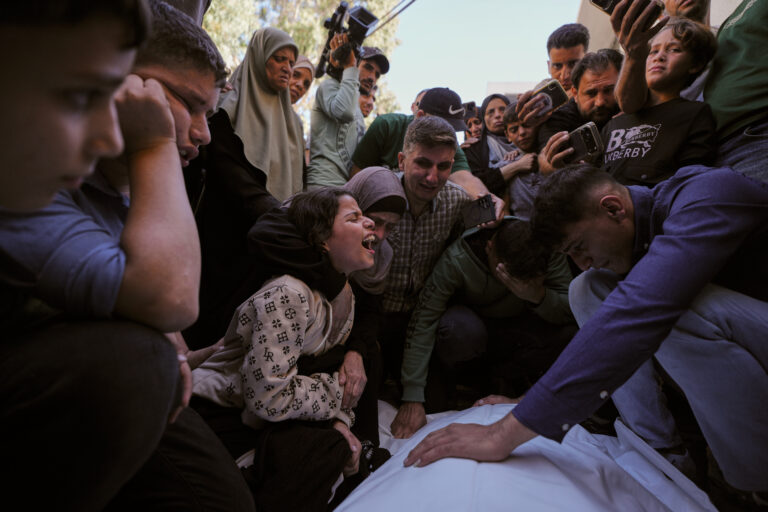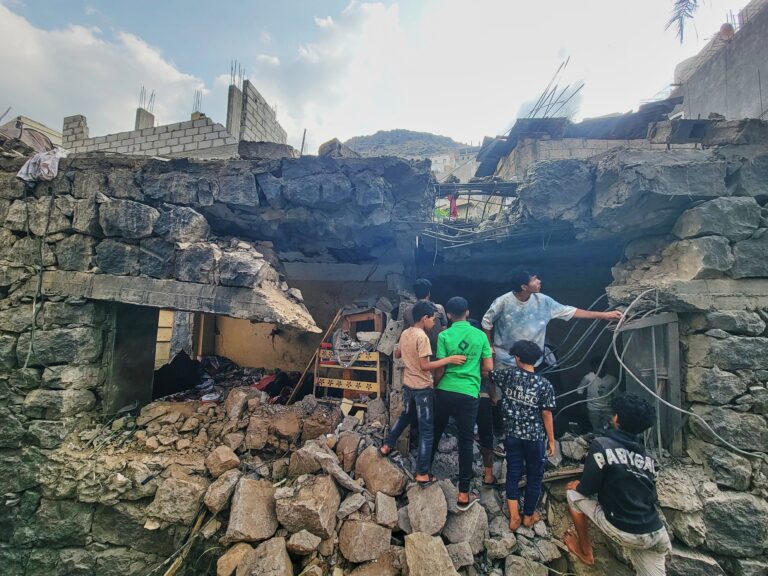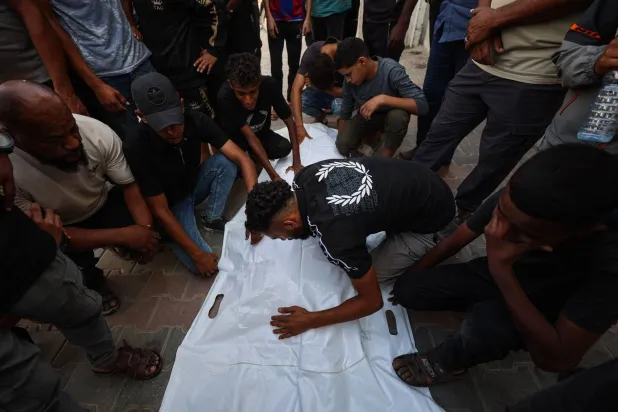
Hamas has shown keen interest in Tuesday's Israeli parliamentary elections, hoping they could mark the beginning of an end to the impasse over implementing US President Donald Trump's Gaza ceasefire plan, particularly regarding reconstruction and the transfer of authority in the territory to the National Committee for the Administration of Gaza. Two Hamas sources told Asharq Al-Awsat that the movement's leadership had sent a message to mediators and the Board of Peace, as part of its regular communications concerning Israeli violations, expressing hope that "implementation of the US president's plan, as well as the roadmap agreed upon months ago in Cairo, would move forward after the Knesset elections." Since the announcement of the supposed Gaza ceasefire agreement in October 2025, Israel has refused to withdraw from the positions it occupies in the territory and has carried out daily airstrikes that have killed more than 1,600 Palestinians. Hamas appears to be counting on the defeat of incumbent Israeli Prime Minister Benjamin Netanyahu, whom it accuses of obstructing the implementation of previously reached agreements while continuing the war in Gaza through daily assassinations, killings, bombardment and destruction. One of the sources said Hamas regularly sends messages to mediators and representatives of the Board of Peace regarding Israeli violations in Gaza, seeking to demonstrate that Netanyahu's government is failing to honor the agreements and evading their implementation. The source explained that the latest message reaffirmed Hamas' commitment to fully implementing the agreements reached, including the roadmap presented by Nikolay Mladenov, the Board of Peace's High Representative for Gaza, which was agreed upon following a series of amendments. The second source said in a separate statement that Hamas had strongly denied in its latest message Israeli allegations that it intended to carry out new attacks comparable to those of October 7, 2023. The movement also denied having conveyed any such threats through a UN official or other parties monitoring developments in Gaza. Israeli media had reported allegations that Hamas officials threatened to repeat the October 7 attack during a meeting with a UN official in Gaza. The movement publicly denied the claims. The source said Hamas had emphasized that recent repeated visits by UN officials to the territory were solely intended to monitor the humanitarian situation and assess residents' living conditions and needs amid aid shortages and Israel's failure to allow the regular entry of sufficient supplies to meet humanitarian requirements. According to both sources, Hamas reaffirmed in its message that it and other Palestinian factions remain committed to the ceasefire agreement and the full implementation of Trump's plan and the roadmap. This would allow the National Committee for the Administration of Gaza to enter the territory and assume its responsibilities, while moving forward with the process of registering and accounting for weapons, securing Israel's complete withdrawal from Gaza, reopening border crossings, allowing heavy equipment into the territory, beginning reconstruction without conditions and launching a comprehensive political process addressing the Palestinian issue. On the eve of the Israeli elections, military escalation continued in the Gaza Strip. Three Palestinians were killed in a series of attacks targeting the al-Iqlimi area of Mawasi, west of Khan Younis in southern Gaza, after members of an armed gang attempted to infiltrate tents housing displaced people but encountered an ambush set by Hamas security personnel. Among the three victims was a child killed in intense airstrikes that shook the area early Monday. More than six people were wounded in Israeli bombardment intended to provide cover for the armed gang's withdrawal. Another Palestinian was killed and several others wounded shortly before noon Monday in an Israeli airstrike targeting a tent in Mawasi, Khan Younis. Others were wounded, including one person critically, in a separate strike on a tent west of Gaza City. Early Monday, drones set fire to tents housing displaced Palestinians near the Shujaiya neighborhood intersection in eastern Gaza City, forcing more than 800 Palestinians, most of them women and children, to flee amid heavy Israeli artillery bombardment. Armed gangs had entered the area two days earlier and set several tents ablaze. Meanwhile, the Israeli military announced that it had intercepted a drone overnight using technological means as it was heading into the Gaza Strip. Israel's Channel 12 reported that the drone was carrying a large quantity of drugs. The channel's military correspondent said the aircraft was a DJI FlyCart drone capable of carrying 80 kilograms. He questioned what could happen if such a drone fell into the hands of Hamas members, who could repurpose it by loading it with explosives and directing it toward Israeli military positions or communities and towns near the Gaza border, potentially causing casualties. The correspondent said the Israeli military investigation was focusing on the drone itself and the party operating it, rather than the quantity of drugs it was carrying.