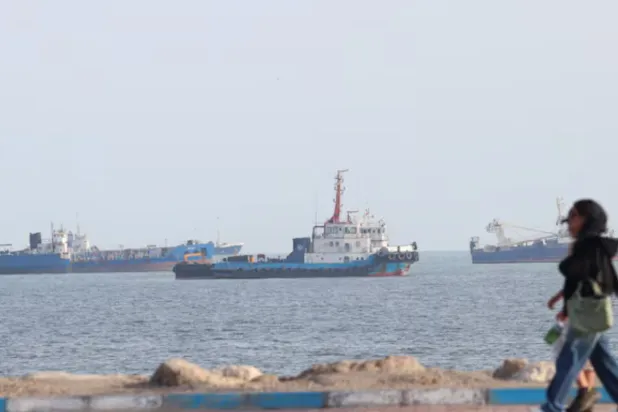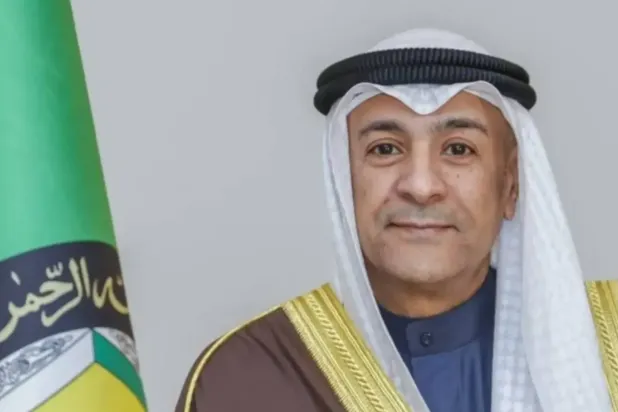
Gulf Cooperation Council (GCC) Secretary-General Jasem Albudaiwi underscored that GCC economies have demonstrated strong resilience against global economic shocks and geopolitical shifts, supported by solid fundamentals, substantial financial reserves, robust banking sectors, and prudent fiscal management. Albudaiwi delivered his remarks during a meeting of the finance ministers and central bank governors of the Middle East, North Africa, Afghanistan, and Pakistan (MENAP) region with International Monetary Fund (IMF) Managing Director Kristalina Georgieva, held on the sidelines of the 2026 IMF and World Bank Group Annual Meetings in Bangkok, SPA reported. Albudaiwi pointed out that recent geopolitical developments have impacted global energy production, maritime shipping, and trade flows, demonstrating the close link between Gulf stability and broader global economic security. He noted that disruptions along key energy corridors and trade routes inevitably reverberate across international markets. Albudaiwi affirmed that the GCC economies possess the capacity to sustain recovery and growth through 2027 and beyond, propelled by strategic investments and non-oil diversification. He emphasized the necessity of balancing short-term economic responses with long-term fiscal sustainability, maintaining adequate buffers to mitigate future market volatility. Highlighting future growth sectors, the secretary-general cited advanced industries, digital infrastructure, artificial intelligence, and human capital development, alongside empowering the private sector to expand its role in global value chains. Concluding his address, Albudaiwi stressed that long-term resilience requires advancing Gulf economic integration, upgrading logistical corridors, and diversifying international partnerships to transform ongoing global challenges into sustainable economic opportunities.