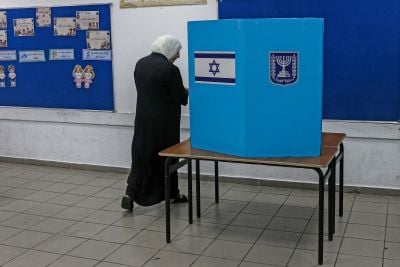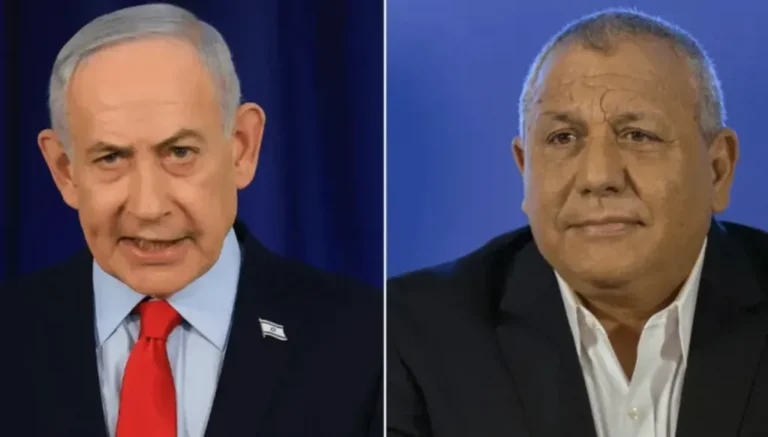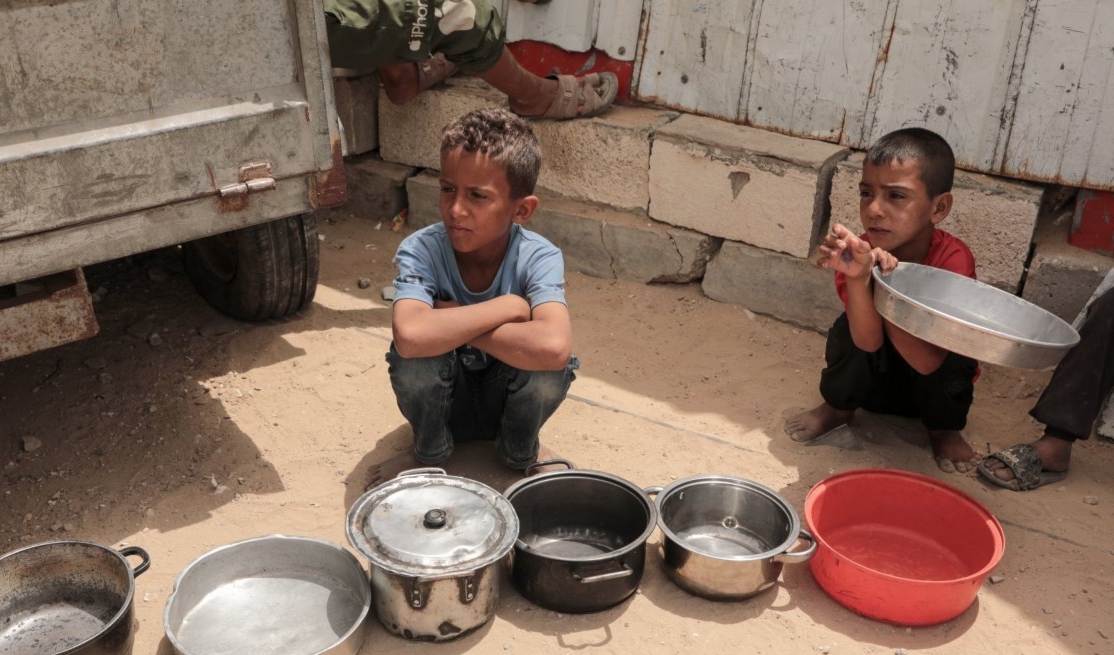
Over the past several weeks, Israel has continued its indiscriminate killings, bombing and destruction across the Gaza Strip, killing hundreds of Palestinians. They have become victims of Israeli election campaigning, as rival political camps compete in threatening to resume the genocide against Gaza. Citing Prime Minister Benjamin Netanyahu’s vulnerable position in the election, the US has brazenly asked the Board of Peace and Palestinian resistance factions to turn a blind eye to assassinations, demolitions and Israeli violations of the ceasefire. The aim was to get through the election season. Discussions on postwar arrangements, Gaza’s administration and reconstruction, the future of weapons and Israel’s military occupation have all been deferred until Israel settles its political contest. Political paralysis has continued, while neither the administrative committee nor the Board of Peace has been allowed to enter Gaza and begin its work. Members of Netanyahu’s coalition have also evaded their obligations under the October 2025 agreement. Ministers have repeatedly threatened to displace Gaza City’s residents to the south to complete what they call the “mission of defeating Hamas and disarming it”. Netanyahu has also reaffirmed his plan to expel Palestinians from Gaza to other countries. For Gaza’s residents, life remains bleak, with assassinations continuing. Yet the fact that conditions have not worsened offers some relief. The alternative could be even more devastating, with renewed Israeli incursions into cities, mass displacement or intensified raids on hospitals. These are horrors few can bear to imagine. People in Gaza understand that the Israeli election is unlikely to fundamentally change their circumstances, whether Netanyahu’s coalition wins or one of its rivals takes power. Current policies stem from strategic frameworks developed by research centers and national security institutes. Still, despite dwindling hopes, many Palestinians share a desire to see Netanyahu lose. They hold him responsible for the genocide and the prolonged war. “We have a vast sea of blood between Gaza and its people and Israel. The entire Israeli entity bears responsibility, led by war criminal Netanyahu, who acted with extreme vindictiveness and hatred, without any moral restraint in committing genocide,” said Rami Issa, a displaced resident of Jabalia refugee camp now living in western Gaza City. “We want him to lose, face trial and pay for his crimes, although we expect nothing good from any of his rivals,” he added. Gaza remains hostage to an Israeli public mood that continues to demand more killing, and to politicians even more determined to preserve their hold on power. Three years of genocide and the Israeli candidates’ repeated statements about Gaza have turned its residents into keen observers of Israeli politics. Hani Abu Ahmad, a public schoolteacher who follows Israeli affairs, said all parts of Israeli society, from the far right to the far left, view Gaza as a security problem to be solved rather than a political issue. “Any hope that a Netanyahu rival could improve conditions in Gaza, particularly by implementing the ceasefire and ending the genocide, runs counter to the prevailing mood in Israeli society,” he said. “The public constantly calls for more killing, displacement and starvation. The disagreements are not about the fundamental position on the Palestinian issue. They often concern who will adopt the tougher stance toward Gaza.” Ahmad Zahran, a political science student at Al-Azhar University and researcher on Israeli affairs, told Al-Akhbar that Netanyahu’s rivals differ with him on details and blame him for the failure of his policies. But they remain committed to overwhelming military force, deterrence and security control. “For us in Gaza, the crisis is not about individuals, although we hate Netanyahu more than any other criminal in the world,” Zahran said. “It is about the underlying approach to Gaza, which the opposition and the current coalition largely share. This approach is summed up in continued assassinations, worsening living conditions, obstructed reconstruction and, ultimately, displacement.” Israeli public debate in recent months has increasingly acknowledged that the war failed to achieve its declared goals, particularly the defeat of Hamas, despite the overwhelming force and indiscriminate killing. Yet public discussion of the genocide, Israel’s international reputation and efforts to prosecute Israeli soldiers for war crimes has diminished. Gaza remains hostage to an Israeli public mood that continues to demand more killing, and to politicians even more determined to preserve their hold on power. This is an edited translation of a report originally published in Arabic.