An important strategic lesson for the Arab world: good relationships are necessary, but mutual interests grant them sustainability and resilience against crises.
In a world where the balance of power is being reshaped, international relations are no longer measured by the number of official visits or joint statements, but by the volume of interests they produce and their ability to bolster a nation's position and secure its future.
Today, power does not only mean the resources countries possess, but also their ability to transform these resources and international relations into sustainable influence and partnerships.
Herein lies an important strategic lesson for the Arab world: good relationships are necessary, but mutual interests grant them sustainability and the ability to withstand crises.
The concept of alliances has changed; countries may differ politically but agree economically, compete on one issue and cooperate on another. Success is no longer tied to complete alignment in positions but to the ability to identify common interests and transform them into trade, investment, technology, knowledge, and economic security.
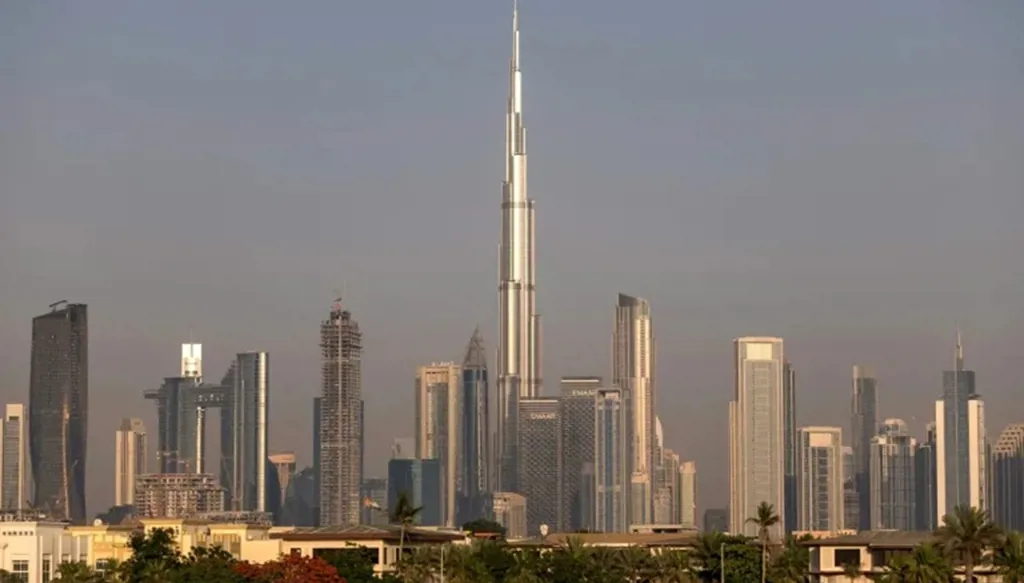
The UAE provides an important model in this field, having succeeded in building a diverse network of international relationships and partnerships based on a realistic reading of national interest and a policy of anticipating changes to build long-term relationships with influential powers.
The UAE-Germany relationship is a clear example; Germany possesses industrial, knowledge, and technological clout, while the UAE has transformed its location, resources, and vision into a global hub for trade, investment, energy, and logistics services. When elements of strength are integrated, the relationship shifts from immediate benefits to joint future investment.
This is what the Arab world needs to build upon; the region possesses energy, capital, geographic location, markets, and human resources, but it needs to transform them into an international interests network extending to Asia, Africa, Europe, and Latin America, especially in artificial intelligence, technology, energy, food security, and advanced industries.
Thus, four recommendations for the next phase of alliances in the Arab world can be formulated:
First, diversify alliances and do not become dependent on a single international axis.
Second, link foreign policy with measurable economic, technological, and knowledge goals.
Third, convert visits and agreements into long-term projects, investments, and partnerships.
Fourth, build interests with emerging powers and future markets before global competition turns to them.
A successful official visit is not one that ends with signing agreements but one whose investments, markets, technology, and influence can be measured after years.
In the world of interests, perhaps the most important equation for the Arab world is not only to seek allies but to build interests that create allies, as the best partnership makes stability and prosperity a part of others' interests.
Disclaimer: The opinions expressed by the writers are their own and do not necessarily represent the views of Annahar.
Thank you for subscribing to our newsletter