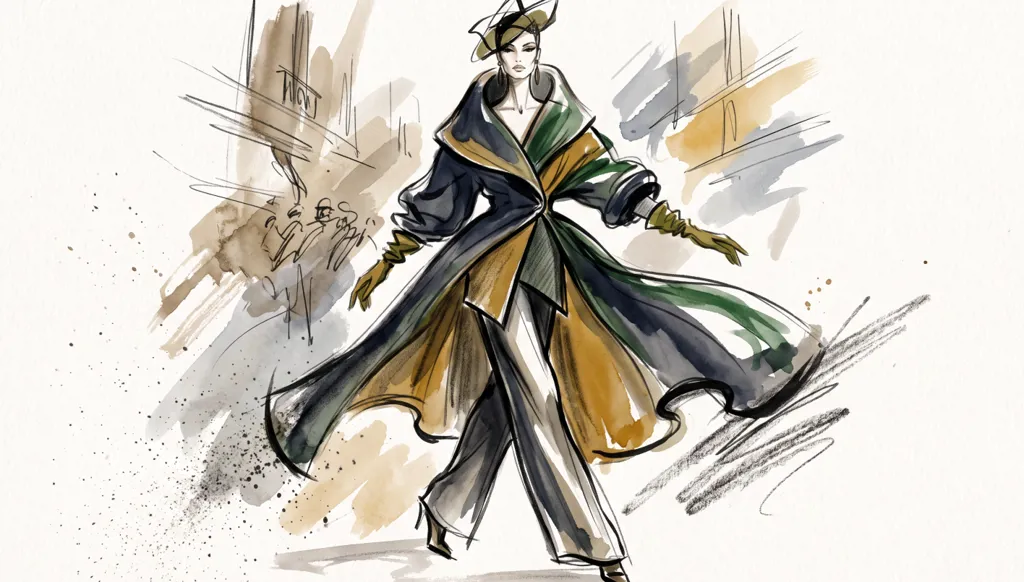
Designer Peter Abdel Karim explores how color, heritage, technology and sustainability are reshaping fashion and defining its future in 2027.
In a world where life is moving at an increasingly rapid pace and the ways of expressing oneself are multiplying, clothes are no longer simply garments worn to protect us from the cold or keep up appearances. They have instead become a living language that reflects what lies within us and the identity of societies.
Amid a landscape marked by profound changes between heritage and innovation, fashion designer and stylist Peter Abdel Karim offers a deeper vision that goes beyond outward appearance to explore fashion as a human message, a visual culture and an environmental commitment looking toward 2027.
Color as a means of self-expression: In the world of fashion, colors are not merely an aesthetic element; they are a direct means of expressing personality and emotions.
According to designer Abdel Karim, “Through their choices, individuals can reflect aspects of their state of mind or personality. Bright colors suggest energy and joy, while darker shades convey a sense of strength or mystery.”
Color thus becomes part of a visual language that people use to express themselves without the need for words.
Fashion as a mirror of society and its identity: Fashion evolves alongside societal changes, with its trends reflecting the ideas and values that shape people’s lives.
He explains that “the growing interest in sustainability, diversity and individual identity is clearly evident in the contemporary fashion scene.
Clothing also gives individuals ample space to express their cultures, making fashion a mirror that reflects not only an individual’s personality, but also the characteristics of the society to which they belong.”
Heritage meets modernity: Designers face an ongoing challenge: preserving cultural symbols while presenting contemporary designs at the same time.
Peter believes that “the way to strike this balance lies in drawing inspiration from traditional heritage elements such as motifs, embroidery and colors, while reinterpreting them through a modern vision that, at the same time, fully respects their cultural roots.
In this way, heritage remains a strong presence in contemporary fashion, not merely as a legacy, but as a lasting source of inspiration and innovation.”
Fashion conveys ideas and emotions before words — Peter Abdel Karim
Technology and sustainability shape the future: As the fashion industry continues to evolve rapidly, technology and modern materials have become two key pillars of innovation. Peter notes that “these developments allow designers to create unique pieces while also reducing waste.
Sustainable fabrics are gaining ground in response to the pressing need for a more environmentally friendly fashion industry. The future of fashion will therefore not be defined solely by appearance and design but will also encompass production methods and the quality of the materials used.”
Following fashion and creating trends: He does not believe that designers necessarily have to choose between following fashion trends and creating something new. Understanding current trends helps them accurately read the market and respond to its needs, without simply resorting to copying and imitation.
A true designer’s signature lies in adding their own vision and creative philosophy, as genuine renewal comes from developing existing styles and reinterpreting them in a different form.
Fashion that speaks without words: Clothing can convey hidden messages without its wearer uttering a single word; shapes, patterns and fabrics come together to express a particular feeling or attitude.
Bold colors convey confidence and daring, while soft fabrics evoke calm and serenity. Fashion thus becomes a silent language of communication that conveys ideas and emotions before words are spoken.
Mood and the fashion landscape in 2027: Clothing choices are closely linked to our psychological and emotional state, as our daily feelings inevitably influence the colors of the pieces we choose to wear.
Looking ahead, Peter expects “next year’s fashion to place greater emphasis on sustainability and technology, alongside versatile designs that can be adapted and transformed. The fusion of cultural heritage with futuristic style will also continue, in an ambitious attempt to bring together cultural identity and innovative development through design.
Fashion is no longer limited to outward appearance; it has evolved into a comprehensive cultural and social form of expression that reflects individuals’ identities and values.
With recent global statistics indicating that more than 70% of young consumers are now choosing sustainability and calling for environmentally friendly fashion, it is clear that the future of the industry next year and beyond will depend on a delicate balance.
A designer’s success today is no longer measured solely by the beauty of a design, but by their ability to create pieces that carry meaning, respect their roots and leave a lasting impact on individuals and society.
Across the world, fashion has evolved into a vast economic ecosystem shaped by manufacturing, technology, consumer behavior and culture. From China’s role in global supply chains and the rise of fast fashion to TikTok shopping, modest fashion, AI, sustainability and fashion weeks, this special Annahar dossier explores how the industry is changing and where new opportunities are emerging for the Arab world. Read our special dossier:
Thank you for subscribing to our newsletter