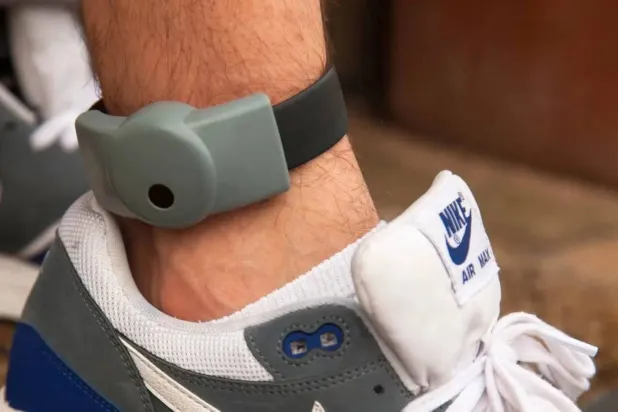
More than 5,000 offenders went unmonitored in the first half of the year because electronic tags were not installed, while 1,600 tags had no signal for more than two weeks due to faults, a report published by The Guardian has found. The Institute for Government (IfG) has revealed the full scale of the crisis in the probation system in England and Wales, concluding that “rationing probation supervision” due to a lack of staff meant sentences imposed by the court had become “essentially a fiction” for most offenders. Once the 2026 Sentencing Act – which reduces the release point for many sentences – is fully implemented, most offenders will spend the final third of their sentence on license without any active supervision, the report said. “This risks further undermining public trust in the criminal justice system and making sentences even more convoluted and opaque, including to victims,” the report by the independent thinktank found. Cassia Rowland, the associate director at the institute and author of the report, said: “It’s hard to set out just how demoralized and unhappy a lot of probation staff are.” “They feel everything is really chaotic, all of these changes are being flung on to them, they’re worried about their personal safety and the public protection risk of the people they’re managing,” she said. Rowland also noted that, “The sentences courts are imposing are having less and less relevance to the time people are actually serving.” She said the situation we have reached now is if you get given a six-year sentence, you are most likely going to be spending two years in prison, two years on probation and then two years with conditions that no one is monitoring or enforcing. “That’s just not a six-year sentence,” she said. The report’s most scathing criticisms of the Probation Service included the electronic tagging of offenders, which the report found was “performing poorly and failing to meet demand.” Between January and April, more than 5,000 people who should have been monitored were not tagged, equating to 15% of all people with an electronic tagging order. Almost 1,600 people were wearing a tag that did not send a signal to the monitoring system for two weeks due to technical faults or the device not being charged. The report highlighted how issues of this kind meant that not a single probation delivery unit inspected in 2024 or 2025 received a rating above “requires improvement,” and two-thirds were rated “inadequate.” The report, based on public data and interviews with frontline staff, found as well as the increased risk to public safety, prisoners were also being let down, with little action taken to reduce reoffending rates.