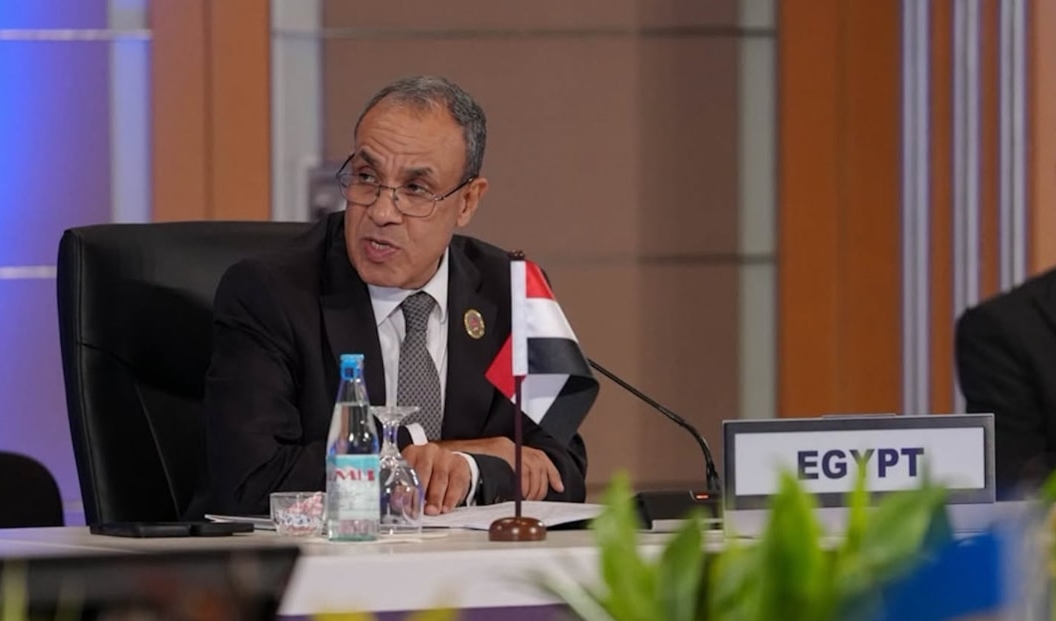
Egypt has stepped up contacts with Arab and Western parties to open a mediation track between Saudi Arabia and Ansar Allah, with Cairo hoping the UAE will join the process. Amid fears of a wider escalation, the contacts are being conducted through “low-level channels” but have reached senior circles in Riyadh, Egyptian sources familiar with the matter told Al-Akhbar. Cairo does not expect Saudi Arabia to be “ready to engage seriously in negotiations before exhausting its escalation options,” nor does it expect Riyadh to welcome any potential Emirati involvement. Egyptian officials are nevertheless intensifying efforts to prevent the confrontation from reaching a peak. Egyptian decision-makers believe military action could produce limited short-term gains but would not deliver lasting security or stability. Ansar Allah possesses “military capabilities and a fighting doctrine” that Cairo considers a threat to Riyadh and potentially other Gulf capitals. Egypt’s efforts are also driven by concerns that renewed tensions around the Bab Al-Mandab Strait could disrupt shipping through the Suez Canal. Cairo is therefore proposing meetings at several levels involving Yemen’s various parties, to be held in Egypt or Oman, with the aim of “stabilizing the region and halting the escalation at this stage” until a negotiating track can produce “a more lasting agreement.” The proposal centers on “parallel negotiating tracks.” This would allow Riyadh to present any settlement as a political gain domestically while “avoiding being dragged into a long war in Yemen that could increase regional tensions.” The proposals have so far received neither a positive nor negative response from Saudi officials. Egyptian sources said the silence was “understandable given the existence of other tracks in which the Saudi authorities are engaged.” They added that the Egyptian proposal could still be pursued directly through Cairo or through other regional parties. A major obstacle is Egypt’s call for an inclusive Yemeni dialogue, which would effectively require reopening indirect channels between Riyadh and Abu Dhabi over Yemen. Saudi Arabia does not appear “ready to accept this at present,” the sources said, making the proposal harder to implement. One alternative under discussion is to postpone comprehensive dialogue and focus first on securing a ceasefire based on current realities. Broader talks could then resume later under an agreed timetable. If positive signals emerge, Egyptian diplomatic and intelligence contacts could develop into “shuttle diplomacy” by Egyptian officials across the Gulf in the coming days. Cairo also believes the Yemen issue can, “at least at this stage,” be addressed separately from the confrontation with Iran. Egyptian officials argue that continued Saudi-Yemeni escalation primarily serves Israel and does not advance Arab national security. This is an edited translation for a report published in Arabic.