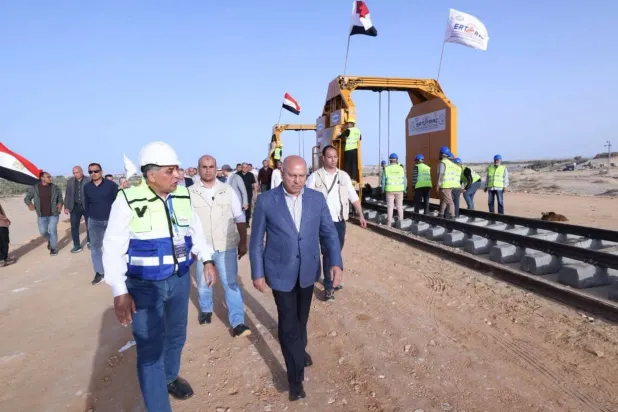
Egypt issued fresh assurances to Israel over its development projects in the Sinai Peninsula, amid Israeli media reports expressing concern about the projects. Experts told Asharq Al-Awsat that Egypt's reassurances were intended to underscore that developing Sinai was an irreversible national security priority, and that Cairo would not be swayed by Israeli claims or reservations, stressing that its development plans were an entirely domestic matter. Egyptian Transport Minister Kamel al-Wazir said the 500-km Arish-Taba railway was primarily a development project, dismissing concerns over its purpose. He said the railway, along with plans to build villages and factories, would encourage Egyptians to settle in Sinai, describing this as essential to national security. Israeli media reports have raised concerns about the railway's potential "strategic and military implications", arguing that it could facilitate the rapid movement of large quantities of equipment, goods and personnel across the peninsula. Al-Wazir, speaking during a visit to North Sinai, said the railway was intended to support peaceful development and settlement, adding that there was no reason for concern. The project forms part of a wider transport network linking the Suez Canal cities with Sinai, connecting the ports of Arish and Taba through railways, highways and logistics zones. Military and strategic expert Major General Ayman Abdel Mohsen said the minister's remarks highlighted the role of development in national security, arguing that securing Sinai went beyond military measures and required encouraging people to settle there. He told Asharq Al-Awsat that Egypt would press ahead with infrastructure projects in Sinai regardless of Israeli objections, rejecting concerns raised in Israeli media over the railway and logistics corridors. Major General Adel al-Omda, an adviser at the Military Academy for Postgraduate and Strategic Studies, said the remarks followed Israeli statements about Sinai and reflected Egypt's commitment to implementing its development and security plans. He said Egypt aimed to settle between three million and eight million people in the peninsula by 2030. Al-Omda said President Abdel Fattah al-Sisi had outlined a three-pronged plan to develop and secure Sinai, covering security, development and public awareness. He said security operations had been carried out, while new cities, including New Rafah, New Ismailia and New Port Said, had been built in and around the peninsula and connected through road and transport networks. Awareness campaigns, lectures, and seminars were also being held in Sinai. Egypt has continued to pursue development projects across the peninsula, with the government reporting significant progress in recent years. In late 2023, Prime Minister Mostafa Madbouly said the government had spent more than 600 billion Egyptian pounds ($11.6 billion) on Sinai development over the previous decade, funding projects in infrastructure, roads, housing, water and tunnels.