The climate crisis is no longer merely a scientific issue concerning rising temperatures, the depletion of natural resources, and environmental pollution. It has instead become a mirror reflecting deep-rooted imbalances in the relationship between human beings and their environment.
In this context, the concept of ecofeminism, or environmental feminism, emerges as an intellectual and critical approach to re-examining the climate crisis, not simply as an environmental issue, but as a systemic crisis rooted in power relations, marginalization, and inequality.
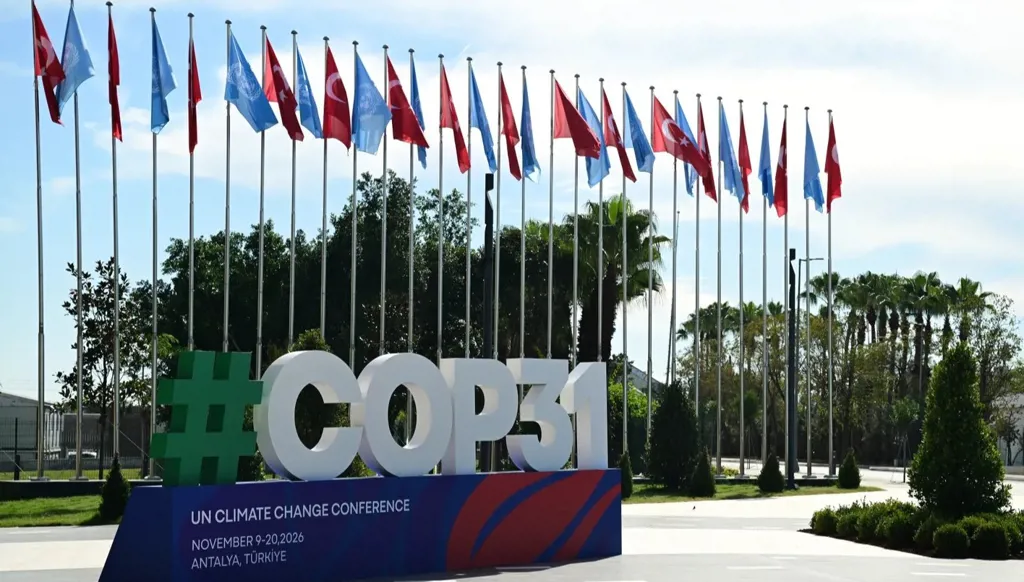
As I follow the climate negotiations at COP31, I believe that including women's issues and gender equality on the agendas of international conferences represents significant progress. However, this does not exempt us from asking deeper questions about the nature of the model underpinning environmental policies.
Is it enough to promote women's participation in climate negotiations if traditional patterns of production and consumption, as well as control over natural resources, remain unchanged? And can genuine environmental transformation be achieved without re-examining this system?
Today, amid the many wars taking place around the world, it has become increasingly clear that the climate crisis is not merely a resource crisis. Rather, it is a political and economic crisis rooted in the question of who distributes resources, on what basis they are distributed, and what balance of power governs their allocation.
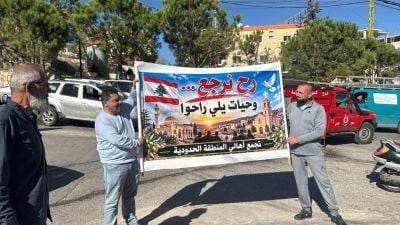
In Lebanon, this crisis is particularly evident following two successive wars that have devastated the water, agriculture, and waste management sectors. In agriculture, for example, women are a cornerstone of the sector, from sowing and tending to seeds to harvesting crops. Their situation cannot be separated from the challenges posed by climate change, ranging from declining water resources and water pollution to disrupted growing seasons and subsequent drops in production. Women farmers are not only facing climate change and widespread losses, but also difficulties in accessing land, financing, technology, and agricultural extension services.
It is therefore not enough to praise their work and their contribution to supporting their families, nor is it sufficient to acknowledge on paper that they, like other women, are victims of climate change. What is more important is to develop practical policies that ensure equal opportunities for women in production, investment, and decision-making, while also establishing funding programmes and clear monitoring mechanisms to ensure that these policies are implemented.
This would make it possible to move beyond viewing women merely as implementers of environmental initiatives and towards recognizing them as key partners in shaping policies and ensuring their proper implementation. Genuine climate transformation cannot be achieved without a fairer and more responsible distribution of opportunities and resources.
University Professor of Environmental Chemistry and Environmental Expert