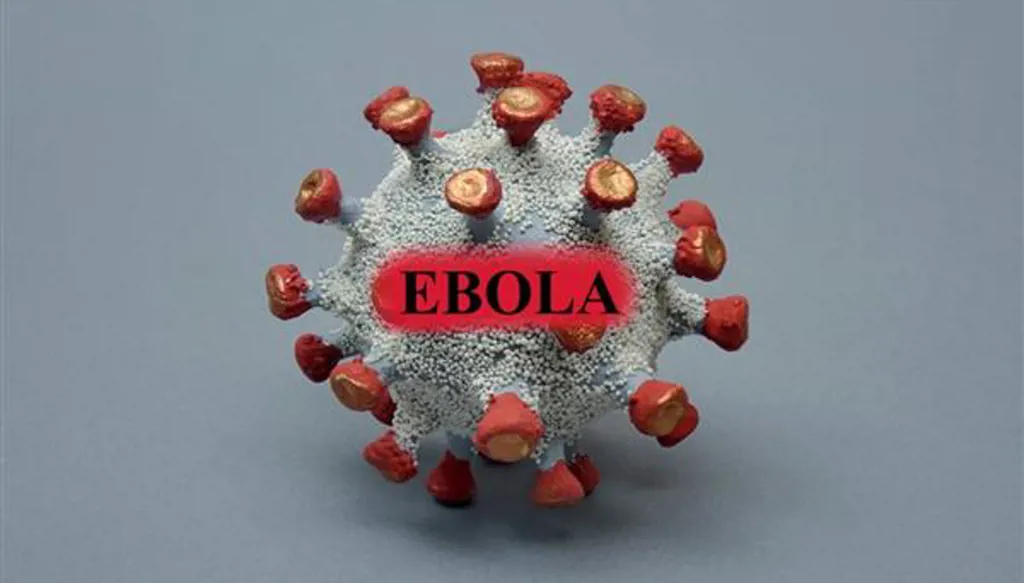
The Bundibugyo strain has become the largest and deadliest Ebola outbreak in the Democratic Republic of Congo’s history, with thousands of cases and deaths reported across seven provinces.
The number of confirmed Ebola cases in the Democratic Republic of Congo has surpassed 8,000 for the first time since the current outbreak began, according to government data cited by Reuters on Monday.
The latest report from the National Institute of Public Health recorded 8,067 confirmed cases and 3,901 deaths, reflecting the scale of the outbreak of the Bundibugyo strain, which has been affecting the country for months.
The reported deaths represent around 48 percent of confirmed cases.
According to Reuters, the current outbreak has become the largest in terms of cases and the deadliest in the history of the Democratic Republic of Congo, surpassing the toll recorded during the country’s 2018–2020 outbreak. Globally, it is exceeded only by the Ebola outbreak in West Africa between 2014 and 2016, when more than 28,600 cases and over 11,000 deaths were recorded across Guinea, Liberia and Sierra Leone.
The current outbreak began in northeastern Congo but has since spread to other areas. In its latest update, issued before the new government figures, the World Health Organization reported 7,890 confirmed cases and 3,799 deaths as of September 23, spread across 63 health zones in seven provinces.
Ituri Province remains the epicenter of the outbreak, with more than 6,000 cases recorded by the WHO as of September 23, followed by North Kivu with around 1,480 cases. The disparity shows that the heaviest burden remains concentrated in specific areas, despite the disease having spread across seven provinces.
The World Health Organization has warned that a high number of new cases continues to be recorded each day, although the intensity of transmission varies from one area to another. The organization said that the large number of deaths occurring outside treatment centers highlights difficulties in detecting cases early and ensuring that patients receive appropriate care, as well as the risk of transmission within households and healthcare facilities.
Continuous disinfection operations in Congo
According to the WHO, the response relies on contact tracing, laboratory testing, patient isolation and supportive care, alongside infection-prevention measures in healthcare facilities and cooperation with local communities. The geographic expansion of the outbreak also requires stronger cross-border coordination with neighboring countries.
The World Health Organization says there is currently no vaccine specifically licensed for the Bundibugyo virus, unlike the vaccine available for another type of Ebola virus. Research is underway to determine whether the licensed vaccine could provide protection against the current strain, but the WHO stresses that its effectiveness against the strain in humans has not yet been established.
In its latest assessment, the WHO classified the risk level within Congo as very high and the risk in countries sharing land borders with it as high, while assessing the global risk as low. It did not recommend general restrictions on travel or trade, stressing instead the importance of early detection and coordinated health responses.
Thank you for subscribing to our newsletter