Dubai: Dubai’s Roads and Transport Authority (RTA) has revealed that it is working on implementing 67 research and development projects, as part of its research, development and innovation strategy, which extends until 2030 and includes 13 goals and 11 initiatives. Its aim is to improve the mobility system in the emirate of Dubai, raise quality of life standards, and improve the safety and flexibility of transport infrastructure and traffic control devices.
The authority explained, during its participation in Dubai Future Week, that among the most prominent new projects are research to generate electricity from wind energy using turbines, experiments to generate energy from the vibrations of Metro rails, solutions to cool pedestrian paths and reduce the impact of heat, in addition to studying the use of food delivery data in transport planning, testing illuminated road markings, and developing wireless charging systems for electric buses.
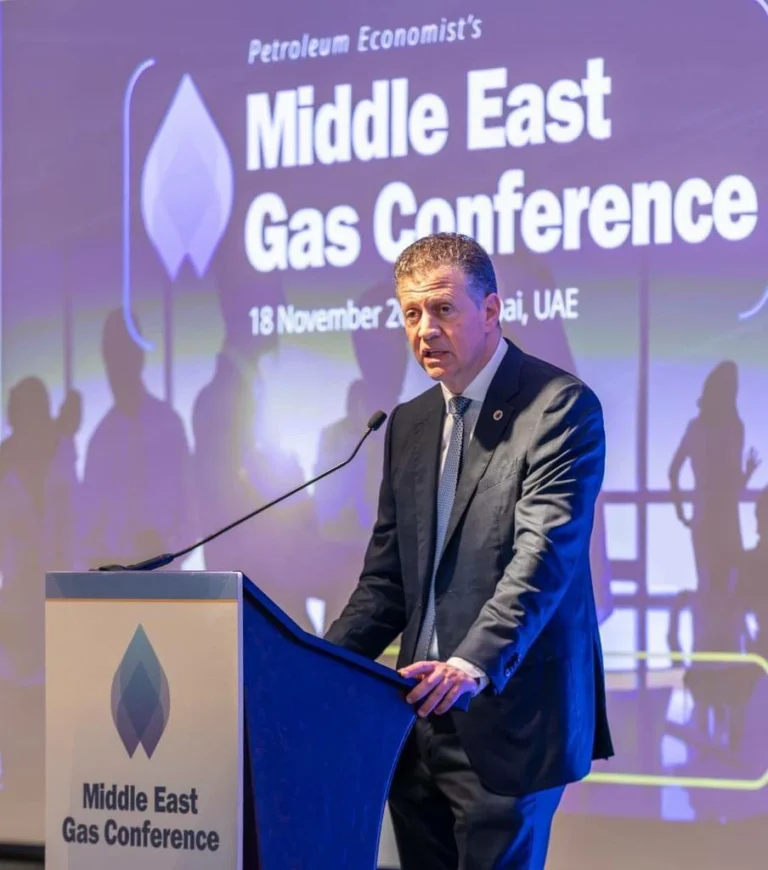
Engineer Muna Al Osaimi, Executive Director of Strategy and Corporate Governance at RTA, said that the authority is showcasing its recently launched research, development and innovation strategy during Dubai Future Week. She said the strategy extends until 2030, and explained that it is based on four main pillars, including safety, future technologies for easy mobility, sustainability and operational excellence.
Clean energy
Engineer Muna Al Osaimi, Executive Director of Strategy and Corporate Governance at RTA. Picture credit: SuppliedShe added that the strategy includes 13 goals, 67 projects and 11 initiatives, noting that one of the most prominent research projects the authority is currently working on is the Vortex Clean Energy project, in cooperation with Future Solution, and with the participation of a German university and local universities. The project aims to generate electricity from wind energy using a turbine, with the possibility of generating up to 25 megawatts, provided that the extracted energy is used to operate devices that need low levels of energy within the road premises, such as traffic signals, lighting poles and other equipment.
She stated that the authority will begin testing procedures for the project from the end of next December, and will continue until mid-2027, after which, the results of the experiment will be evaluated, and the possibility of developing the project and expanding its use within the emirate will be explored if the tests prove to be a success.
Cooling solutions
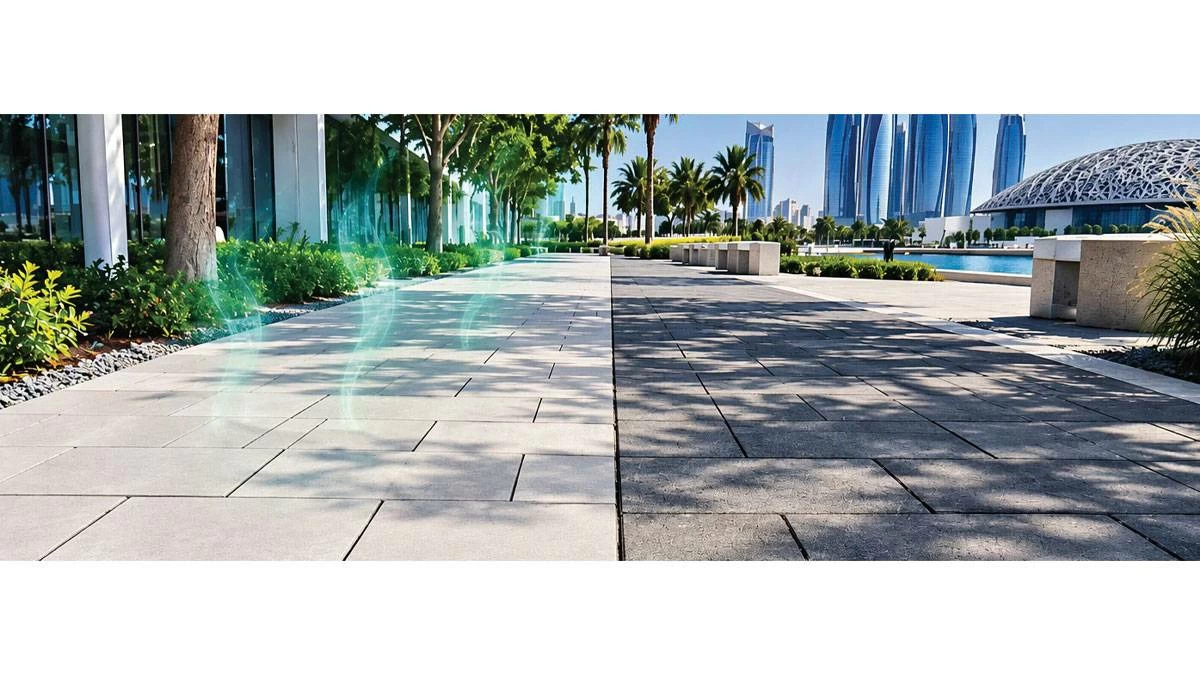
Al Osaimi pointed out that the authority is also working on solutions to cool pedestrian paths, through a project that uses a hybrid system that combines solar panels and sidewalk cooling technologies, with the aim of harvesting energy and contributing to reducing the impact of heat on road paths and pedestrians. She explained that the Al Khawaneej area was initially chosen to implement the experiment, and includes three stations.
She said the aim of the experiments is to test cooling solutions and take advantage of the energy produced from them, with the possibility of using the energy generated in the future to operate various equipment within the road right-of-way, such as lighting poles, traffic lights, and others.
She explained that the project is part of research and development initiatives related to sustainability, whereby materials and solutions are tested that can make pedestrian paths more suitable for climatic conditions, while at the same time taking advantage of the energy that can be generated.
From vibrations to energy
Al Osaimi revealed another research project the authority is working on: the generation of energy from the vibrations caused by the movement of Dubai Metro trains, by installing devices on the Metro tracks that capture the vibrations caused by the train passing, and convert them into energy.
She explained that the idea is based on recovering the energy generated by vibrations and feeding it back into the power grid for use, thus transforming the movement of the trains themselves into an additional energy source. This research aligns with one of the projects presented in the research and development map at Dubai Future Week, which focuses on developing a piezoelectric system capable of converting metro vibrations into energy to power sensor and monitoring systems.
Al Osaimi said the authority is also working with Khalifa University, New York University Abu Dhabi and Rabdan Academy on a project aimed at selecting the best shaded pedestrian paths leading to Metro stations.
She explained that the project relies on simulation and various technical solutions to determine the most suitable routes for pedestrians, making the journey to and from Metro stations more comfortable, especially given the climatic conditions in Dubai.
Delivery system analysis
She noted that the authority is working with Khalifa University on another project, to analyse data related to food delivery operations, with the aim of studying consumption patterns, distances, uses and travel patterns.
Al Osaimi emphasised that the benefits of this data are not limited to the commercial aspect, but can help the authority in planning the transport system, by understanding traffic patterns, distances and trip details, and using them in developing future transport plans and services.
Illuminated road markings
Al Osaimi stated that the authority is also working, in cooperation with the University of Wollongong in Dubai, on research to develop illuminated road markings that can be used in the future on some external streets or locations where lighting levels are lower.
Wireless charging for buses
Al Osaimi pointed to another project to develop wireless charging systems for public buses, stressing that the project is linked to the authority’s objective of working towards transitioning to zero-emission means of transport by 2050.
She explained that the shift to electric vehicles requires the development of charging solutions that allow buses to operate over longer distances, without being limited by a specific distance or having to return to depots for recharging.
She said the idea of the project is based on installing a charging system under the road surface, so that the bus stops above the charging point and is charged wirelessly while at the station.
She noted that the authority had previously conducted experiments with a number of companies in this field, while the new project, in cooperation with the university, represents another experiment that will be implemented externally in one of the bus stations, with the aim of testing the technology in an actual operating environment.
She emphasised that these projects are part of the RTA’s directives to promote research, development and innovation, and to transform research ideas into testable and applicable solutions, in order to support the sustainability of the transport system, raise its efficiency and prepare for future mobility needs in Dubai.