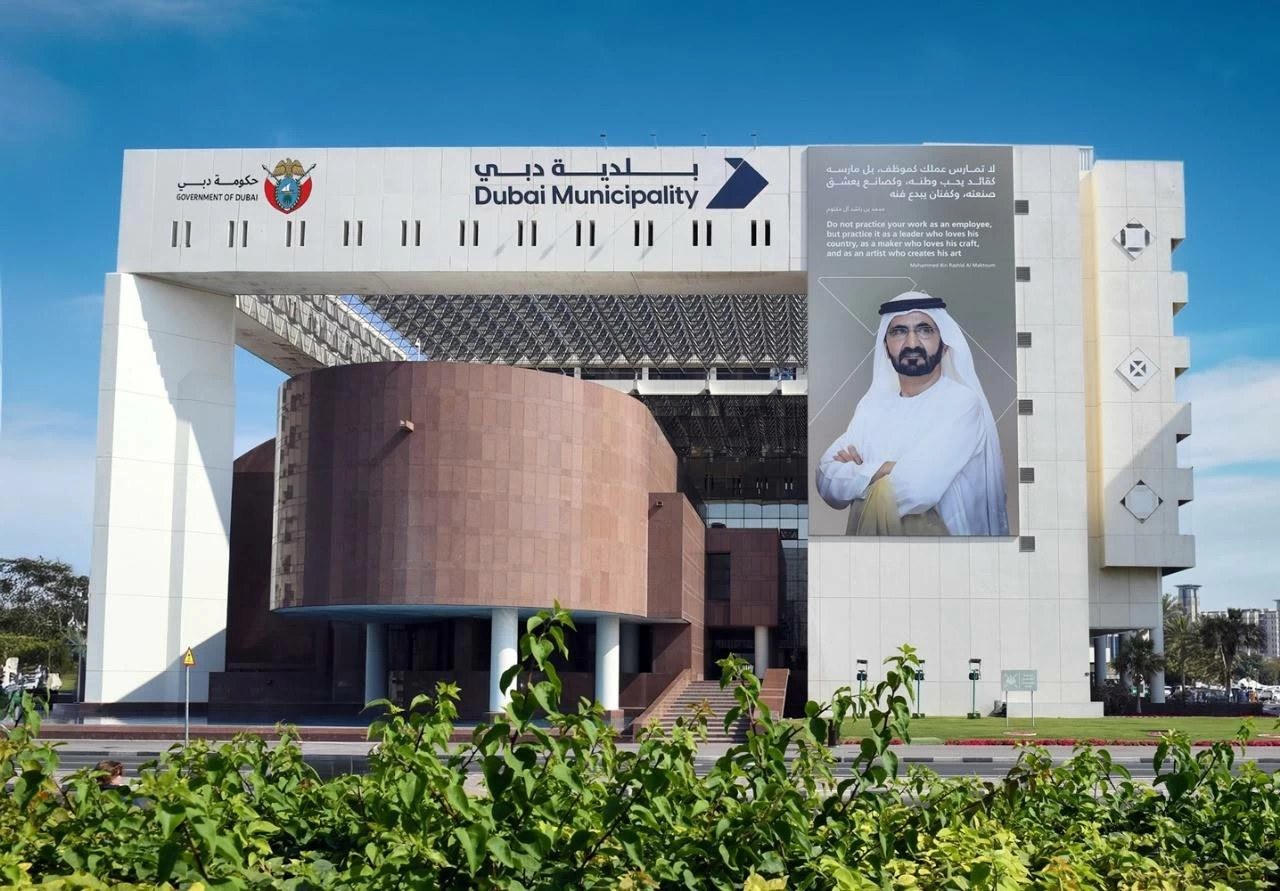
Dubai: In implementation of Law No. (4) of 2026 Regulating the Occupancy and Management of Shared Housing in the Emirate of Dubai, Dubai Municipality has issued the Planning and Building Requirements Guide for Shared Housing and Permitted Areas, providing a comprehensive reference that sets out the requirements and standards governing this type of accommodation.The Guide aims to ensure the highest standards of quality and safety, safeguard the rights and privacy of owners and occupants, and enhance their quality of life.The Guide marks an important step in Dubai Municipality’s approach to developing the building and construction ecosystem and regulating related activities to enhance quality of life across Dubai. It also reflects the Municipality’s integrated approach to implementing the Law, beginning with awareness and guidance, enabling property owners and property management companies to understand their responsibilities, assess the status of their buildings and take the necessary corrective measures, through to achieving higher levels of compliance.This will help reduce overcrowding, congestion and unregulated residential practices across the emirate, while safeguarding residents, enhancing the quality of the residential environment and supporting community stability.The Law Regulating the Occupancy and Management of Shared Housing in the Emirate of Dubai aims to establish a clear and integrated framework for shared housing by setting the necessary standards and requirements for the balanced use of spaces and facilities. The Law seeks to reduce overcrowding and congestion, establish the rights and responsibilities of owners and occupants, and strengthen compliance with public health and safety requirements.Maryam Al Muhairi, CEO of the Building Regulation and Permits Agency at Dubai Municipality, said: "Dubai Municipality has developed a comprehensive guide for the regulation, occupancy and management of shared housing, providing a clear reference for property owners and property management and leasing companies.It sets out planning, building, technical, health and public safety requirements, as well as the areas where buildings may be allocated for shared housing. This will contribute to providing a safe, healthy and well-regulated residential environment for different segments of the community, while translating the provisions of the Shared Housing Law related to protecting rights and enhancing public health and safety.”Al Muhairi added: "Our objective in regulating shared housing is to raise awareness, strengthen oversight and promote compliance, while enabling the relevant parties to meet the requirements and regularise the status of their buildings in accordance with the approved frameworks, in a way that preserves the emirate’s urban and aesthetic character.”Dubai Municipality has identified more than 44 approved areas to date where buildings may be used for shared housing, including Al Souq Al Kabeer, Al Ras, Al Warqa 1, Al Barsha 1, Al Muraqqabat and Al Rigga, among others. Any additional areas will be announced once approved.The Guide specifies that each existing building must be allocated to one category of shared housing, either individual accommodation or family accommodation. It also sets a minimum bedroom area of 5 square metres per person, while family accommodation must provide each family with a separate bedroom with an en-suite bathroom, enhancing comfort and privacy.The Guide also sets out comprehensive requirements for shared facilities and services based on the category of accommodation and number of occupants. These include kitchens and sanitary facilities, as well as designated areas for dining, recreation, laundry and clothes drying, in accordance with public health and safety requirements and the Dubai Building Code.The requirements apply to new buildings as well as existing buildings that undergo modifications for use as shared housing within permitted areas and in accordance with the approved requirements. The Law excludes real estate units designated for collective labour accommodation, as these are governed by separate legislation.The Law grants property owners and property management and leasing companies a full one-year period, starting from its effective date of 8 September 2026, to regularise the status of buildings currently used for shared housing in accordance with the approved standards and requirements.Dubai Municipality clarified that the regularisation period does not exempt owners from addressing building violations, unauthorised changes of use or other conditions that pose risks to public safety. Such cases must be rectified in accordance with the applicable requirements and legislation.The shared housing ecosystem is supported by integration between relevant government entities through electronic connectivity with the Dubai Land Department and other licensing authorities. This enhances the efficiency of registering tenancy contracts for buildings and villas designated for shared housing, based on permit data issued by Dubai Municipality and other licensing authorities in the emirate.Issuing a shared housing permit also requires the prior fulfilment of requirements set by the relevant entities. Compliance with Dubai Civil Defence requirements related to fire alarm and firefighting systems, as well as Security Industry Regulatory Agency (SIRA) requirements for CCTV systems, is verified in accordance with the legislation and requirements approved by each entity before a shared housing permit is issued.Buildings and villas may be designated for shared housing once the required permit has been obtained. Permit issuance and renewal services are available through the Build in Dubai platform, in accordance with the approved procedures and requirements, enhancing ease of access to services.The regulation of shared housing forms part of Dubai Municipality’s ongoing efforts to develop the building sector, enhance the efficiency of regulatory oversight and organise residential practices through an integrated framework that protects the rights of owners and occupants, safeguards privacy and safety, and enhances quality of life across the emirate.