Dubai: Data from the real estate platform Property Finder, focusing on real estate rental activity in Dubai between January and October 2026, showed that Dubai Marina topped the list of the highest rented areas in six key areas of the emirate, while villas in the Al Jaddaf area recorded the highest increase in average annual rents, reaching 98%.
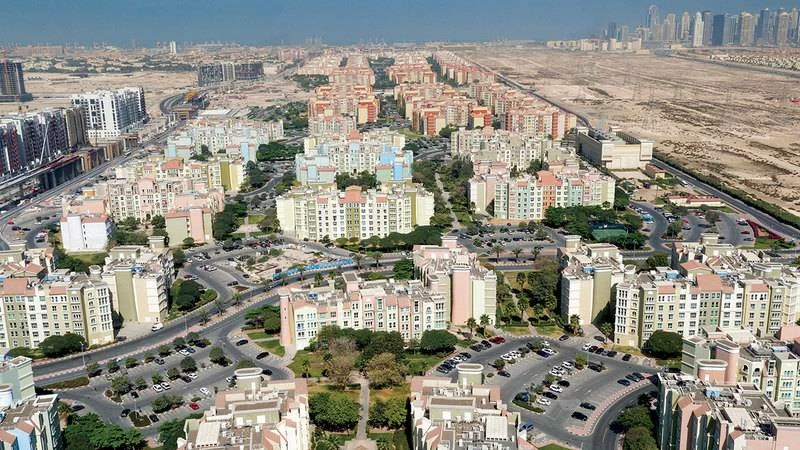
The list of areas monitored included Al Barsha, Al Jaddaf, Arjan, Business Bay, Discovery Gardens, and Dubai Marina.
The results revealed that Dubai Marina topped the areas monitored, in terms of the average rental price of a studio residential unit at Dh83,201 annually, while the Discovery Gardens area had the lowest price for this category at Dh51,813.
The data also indicated that Dubai Marina topped monitored areas in terms of the average annual rent price for one-bedroom residential units, at Dh113,390 per year, while Discovery Gardens was the least expensive at Dh72,860 per year.
Dubai Marina continued to lead the monitored areas in terms of the average annual rent for two-bedroom residential units at Dh168,230 per year, while Discovery Gardens was also the lowest priced for this category at Dh98,260 per year.
As for villa rentals in the monitored areas, they also showed a great disparity, as villas in the Al Jaddaf area recorded the highest percentage increase in average annual rents between January and October 2026, reaching 97.9%, an increase from an average of Dh164,221 to an average of Dh325,000 between January and October 2026, while the average villa rent in the Arjan area recorded an increase of 58.8%, from an average of Dh190,119 to an average of Dh301,939.
Property Finder’s Chief Revenue Officer Sherif Suleiman said: “Dubai’s rental market is moving towards greater balance in a number of established areas." Picture credit: SuppliedStudio rentals
Regarding the most recent average annual rents in October 2026, the data showed a widespread decline in average annual rents for studios across the various areas analysed.
Arjan recorded the largest decrease at 31.7% year-on-year compared to October 2025, with the average rent for a studio in the area reaching Dh52,680. This was followed by Business Bay, which saw a decrease of 23.4%, with the average rent reaching Dh78,860. Dubai Silicon Oasis also recorded a decrease of 23.2% to Dh49,040. Studio rents also fell in Dubai Marina by 22.2%, Discovery Gardens by 15.1%, Al Jaddaf by 11.7%, Al Barsha by 10.8%, and Tecom by 5.1%, reflecting the widening scope of pressure on this residential category, with varying declines recorded in both economic and upscale areas.
One-bedroom apartments
Meanwhile, rents for one-bedroom apartments declined in October 2026 compared to the same month in 2025. Dubai Silicon Oasis recorded the largest year-on-year decrease at 40.3%, with the average rent reaching Dh67,540, highlighting the extent of price changes in the area. Rents for one-bedroom apartments also decreased in Dubai Marina (16.9%), Business Bay (16.1%), Discovery Gardens (13.9%), and TECOM (13.1%).
The declines also included Al Jaddaf, which recorded a decline of 11.6%, Arjan, which fell by 8.4%, and Al Barsha, which fell by 5.8%, indicating that declines were recorded in all monitored areas.
Descending path
Rents for two-bedroom apartments declined across most areas in October compared to the same month last year. Dubai Marina saw the largest drop at 25.6%, bringing the average annual rent down to Dh160,820. Arjan followed with an 18.5% decrease to Dh113,160, and Business Bay with a 14.5% drop to Dh159,630. Discovery Gardens also recorded a decrease of 11.6%, Dubai Silicon Oasis 11.5%, Al Jaddaf 9.4%, and Tecom 1.6%.
In contrast, rents in the Al Barsha area within this category increased by 1.9% to reach Dh107,910, making it the only area among the eight monitored areas that recorded growth in this category, reflecting the difference in market dynamics between areas, even for similar units in terms of area and number of rooms.
Villas in three areas
Regarding villas, performance was clearly mixed during October 2026, as the average annual rent in Dubai Marina increased by 2.7%, compared to the same month last year, reaching Dh589,984.
In contrast, villa rents in Al Barsha area declined by 7.9% to Dh525,810, and in Dubai Silicon Oasis by 1.5% to Dh290,240, revealing a different trajectory for the villa market compared to apartments, as the three areas did not record a unified trend, but rather price movements varied between rising and falling, with Dubai Marina continuing to record the highest average rent among the areas compared.
Varying levels
Commenting on this data, Property Finder’s Chief Revenue Officer Sherif Suleiman said: “Dubai’s rental market is moving towards greater balance in a number of established areas, with varying levels of performance from one area to another, as some mid-range areas have seen an increase in required rents, compared to declines in a number of more competitive coastal and central areas.”
Suleiman noted that rents for two-bedroom apartments in the Al Jaddaf area rose by 23.5%, and studios by 17.6%, while the increase in apartment rents in the Al Barsha area ranged between 2.6% and 6.8%, depending on the number of bedrooms.
He continued: “In contrast, studio rents in Business Bay fell by 14.5%, and two-bedroom apartments in Dubai Marina by 10.7%, reflecting the wider range of options available to tenants and giving them more room to negotiate in areas that were once among the most competitive in the market.”
He pointed out that data from October 2026 showed a decline in the required rents for apartments in most of the Dubai areas included in the analysis, compared to the same month last year, with studio rents in Business Bay decreasing by 23.4% year-on-year, while rents for two-bedroom apartments in Dubai Marina decreased by 25.6%.
Suleiman stressed the importance of treating data from a single month with caution, as it reflects the nature of rental units available during that specific period. He noted that determining actual market trends requires monitoring data over a longer timeframe. Nevertheless, current indicators suggest an improvement in tenants' bargaining power compared to the same period last year, particularly with regard to smaller units.