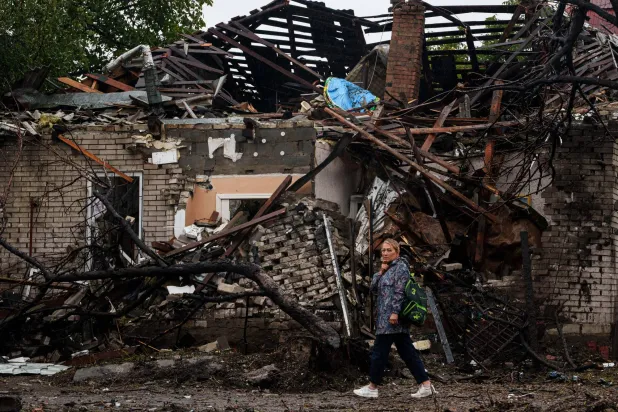
Two civilians were killed, and several others were wounded, when a drone struck a fuel station in Rabak, the capital of White Nile state in southern Sudan, as drones continued to hit El-Obeid in North Kordofan on Thursday morning, part of a growing wave of drone attacks across the country. Local sources said drones hit a fuel station inside Rabak on Thursday morning, killing two civilians and wounding others. The injured were taken to health facilities, while authorities sealed off the area, began assessing the damage and opened an investigation into the attack. Witnesses said the strike spread panic among residents. Ambulance teams and relevant authorities rushed to the site to deal with the aftermath and secure the area. At the same time, El-Obeid, the capital of North Kordofan, remained under repeated drone attacks believed to have been carried out by the Rapid Support Forces (RSF). Witnesses said drones launched a fresh raid on the city on Thursday morning. Authorities have not yet announced an official casualty toll. Several cities in central and western Sudan have seen drone attacks rise since the start of the war. The strikes have expanded and intensified in recent months and weeks, during the fourth year of fighting between the army and the RSF. El-Obeid has been a frequent target in recent weeks of attacks attributed to the RSF. Rabak and Kosti in White Nile state, as well as Kadugli and Dilling in South Kordofan, have also been hit by similar attacks from time to time. The Sudanese army, meanwhile, continues to carry out drone strikes on sites in areas held by the RSF. The two sides rarely announce the results or targets of drone raids they launch. The latest strikes came two days after a drone attack on Tuesday hit the market in the town of al-Siyah in North Darfur. Local reports said the attack killed one person, wounded several civilians and sparked fires that destroyed part of the market, damaging crops and foodstuffs worth millions of Sudanese pounds. The al-Siyah market serves more than 70 villages. It lies about 60 km north of Mellit, near the border with Libya, and about 100 km northeast of El-Fasher. Witnesses said the attack coincided with the presence of RSF combat vehicles around the market, suggesting the drone may have belonged to the Sudanese army, which has not commented on the incident. Drones have become a key weapon in the war between the army and the RSF in recent months. Their use has expanded to attacks on military sites and vital facilities in areas controlled by both sides, after fighting had previously centered on direct front lines. The strikes usually target military bases and headquarters, weapons and ammunition depots, combat vehicles, infrastructure facilities, fuel stations and forces from both sides. With many military sites located inside cities, and forces from both sides deployed in populated areas, civilians have borne the highest cost. The strikes often kill and wound civilians and damage homes, civilian facilities and basic services. Since the war erupted in Sudan in April 2023, both sides have widened their use of drones, reaching cities far from the front lines. That has increased civilian losses and deepened humanitarian suffering in targeted areas. The Associated Press reported on June 15, citing UN High Commissioner for Human Rights Volker Türk, that more than 1,000 civilians were killed in drone attacks in Sudan during the first five months of 2026. According to the report, Türk said his office had recorded more than 1,000 civilian deaths from drone strikes between January and May this year. There are no official figures for the number of civilians killed in the war. But the Armed Conflict Location & Event Data Project, known as ACLED, said in its latest reports that at least 59,000 people have been killed during the conflict, and that the true toll is likely far higher because of the difficulty of documenting victims in several combat zones.