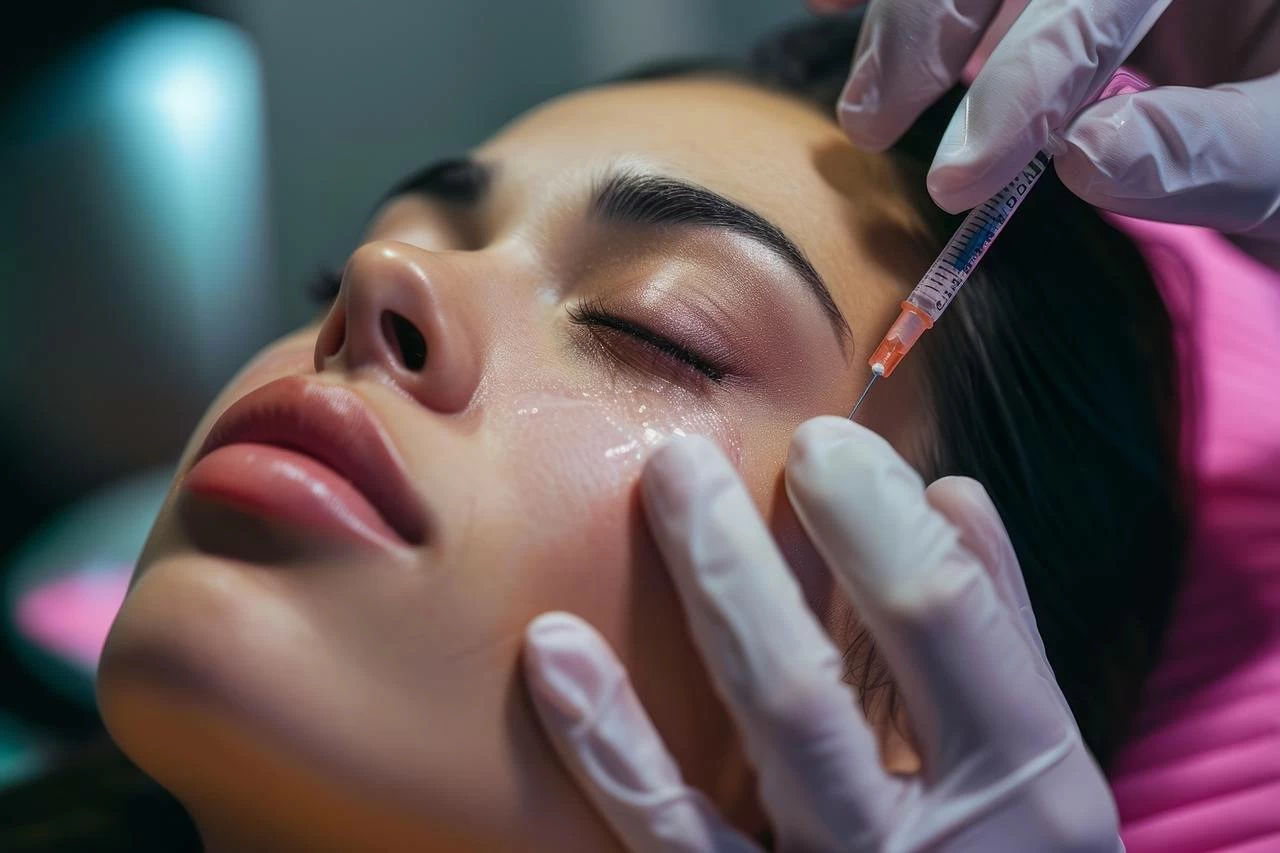
Dubai: Doctors have warned against being influenced by advertisements promoting so-called miracle beauty treatments on digital platforms, noting that filters and edited images on social media have helped create unrealistic beauty standards, raised expectations and reduced acceptance of natural differences in facial and body features.They also cautioned against a growing tendency among some dermatologists, particularly recent graduates, to focus on cosmetic procedures at the expense of diagnosing and treating skin diseases, despite increasing social and psychological pressures related to appearance.Experts said several factors are driving this shift, including the quick financial returns associated with cosmetic procedures, rising demand for aesthetic treatments, advances in minimally invasive techniques, ease of performing such procedures and shorter recovery periods.They stressed that addressing the trend requires a shared effort from patients, doctors and the beauty industry, with skin health and patient safety taking precedence over commercial considerations. They also urged patients to choose doctors based on qualifications and experience rather than social media popularity or advertising exposure.Dermatology consultant Dr Anwar Al HammadiDermatology consultant Dr Anwar Al Hammadi said the growing obsession with cosmetic procedures has negatively affected the core of dermatology, with some doctors focusing on Botox, filler injections and other high-demand treatments that generate rapid returns while neglecting the treatment of skin diseases.He stressed the need to maintain a balance between cosmetic and therapeutic dermatology."A doctor who has spent many years studying medicine and specialising should not limit their professional ambition to quick cosmetic procedures," he said.Al Hammadi described dermatology as a broad medical specialty closely linked to both physical and mental wellbeing. He noted that it overlaps with several disciplines, including internal medicine, rheumatology, psychiatry and surgery, and continues to evolve through rapid scientific and therapeutic advances.“We want the real dermatology that patients need. If everyone turns to cosmetics, who will treat skin diseases?” he said. “There is no objection to practising cosmetic medicine, provided it is not at the expense of the specialty’s medical and humanitarian mission.”He explained that the skin can serve as a window into overall health, with changes in the skin and nails sometimes indicating conditions such as iron deficiency or liver and kidney diseases.Al Hammadi added that patients often visit dermatology clinics carrying emotional burdens as well as physical concerns.“A patient may come burdened with anxiety, fear and a loss of self-confidence because of a slight change in appearance,” he said.He warned about the psychological impact of bullying and negative comments about appearance, even when made jokingly by friends or family members. Such experiences can drive people towards unsafe practices, including the use of unverified products, unsuitable treatments or potentially harmful cosmetic solutions.According to Al Hammadi, the role of a dermatologist often extends beyond improving physical appearance to helping patients regain confidence and develop a healthier self-image.He said social media filters and heavily edited images have reinforced unrealistic beauty ideals, encouraging some people to focus excessively on perceived imperfections.“Beauty does not mean perfection,” he said. “It is based on harmony between outward appearance, self-confidence, intellect and spirit.”Al Hammadi also warned against advertisements claiming guaranteed results for skin and hair treatments, particularly those promoting complete skin-tone uniformity.“There is no such thing as perfectly uniform skin tone in a healthy person. Variations and tanning are natural and genetic,” he said.He cautioned against excessive scrutiny of facial features in mirrors or under magnifying lights, noting that some individuals become fixated on minor or even imagined flaws to the extent that it affects their quality of life.Al Hammadi stressed that expensive or newly introduced treatments are not automatically the best option for every patient. He said treatment decisions should be guided by accurate diagnosis, scientific evidence and individual medical needs rather than marketing claims.He also advised patients to select doctors based on qualifications, experience and professional practice rather than the size of their social media following.“Taking care of one’s appearance is legitimate, but it should not become a source of psychological stress or self-rejection,” he said.Dermatology consultant Dr Marwa Al BadawiDermatology consultant Dr Marwa Al Badawi said social changes in recent years have altered perceptions of ageing and appearance, amid growing pressure to look youthful and idealised.She noted that the desire to improve appearance is often linked to self-confidence and personal satisfaction, making it important for doctors to understand the motivations behind requests for cosmetic procedures rather than focusing solely on physical changes.Al Badawi said advances in minimally invasive procedures, including injectables and laser treatments, have made cosmetic treatments more accessible and popular by reducing recovery times.She added that dermatology has undergone a significant transformation over the past two decades, with demand for aesthetic and preventive treatments increasing alongside the continued need to treat conditions such as acne, eczema, psoriasis and skin cancer.“The growth of cosmetic dermatology should not come at the expense of therapeutic dermatology, which remains a fundamental pillar of the specialty,” she said.Al Badawi stressed that doctors must set realistic expectations and be prepared to decline requests when desired outcomes are unattainable or unsafe, particularly when motivations stem from social pressures or dissatisfaction with appearance.She said doctors have a responsibility to educate patients about the natural effects of ageing and to explain realistically what medical procedures can and cannot achieve.“The ethical medical decision must place a patient’s physical and psychological wellbeing above commercial considerations and financial returns,” she said.Looking ahead, Al Badawi warned that if large numbers of dermatologists focus exclusively on cosmetic procedures, it could affect the availability of specialists capable of managing complex skin diseases and participating in clinical research and treatment development.“Cosmetics are part of dermatology, but they should not overshadow the rest of the specialty or turn it into a purely commercial practice divorced from its therapeutic and humanitarian mission,” she said.Dermatology consultant Dr Rana Abu TarabDermatology consultant Dr Rana Abu Tarab said meaningful change requires the combined efforts of patients, doctors and the beauty industry.She emphasised that health awareness should be the starting point.“An informed patient is interested not only in having more beautiful skin, but also in understanding skin health, the causes of their condition and the most appropriate treatment based on an accurate medical diagnosis,” she said.Abu Tarab added that doctors have a responsibility to uphold professional ethics and recommend treatments that genuinely meet patients’ needs, while the beauty industry must promote safe and responsible practices that prioritise health and safety.She said the success of a dermatologist should not be measured by the number of cosmetic procedures performed but by the ability to diagnose and treat skin diseases and improve patients’ quality of life.Dermatology and skincareBeauty expert Raja AtlasBeauty expert Raja Atlas said achieving a balance between dermatology and cosmetic skincare requires close cooperation between dermatologists and skincare specialists, with each working within their area of expertise.She explained that dermatologists are responsible for diagnosing and treating skin diseases, while skincare specialists help improve appearance and maintain treatment results. Cosmetic procedures, she said, should never replace medical treatment where specialised care is required.Atlas stressed that greater public awareness is essential to correcting misconceptions about beauty and skincare.“Beautiful skin starts with healthy skin,” she said, adding that understanding the skin’s needs helps people choose suitable products and treatments while avoiding unnecessary procedures and passing beauty trends.She said responsibility is shared between patients and healthcare professionals, who should provide realistic advice and encourage people to prioritise skin health before pursuing cosmetic enhancement.