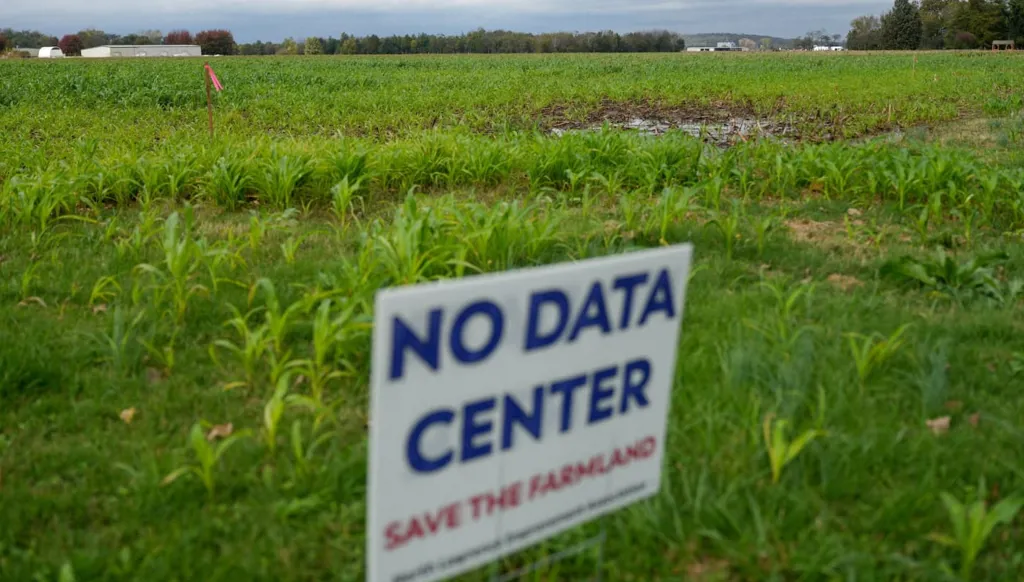
The Democrats' victory in the U.S. midterm elections threatens the future of artificial intelligence data centers in key American states, potentially slowing the growth of a sector that has been the main driver of Wall Street stocks over the past four years.
The prospect of tighter regulations weighed on shares of major AI companies, including Elon Musk's SpaceX, ahead of the opening of U.S. trading, after leading Asian chipmakers, including South Korea's Samsung, recorded significant declines.
Following an election campaign dominated by growing concerns over the environmental impact of data centers proliferating across the United States, President Donald Trump, who advocates minimal government regulation of what he calls "superintelligence," suffered a painful political setback as the Republican Party delivered disappointing results.
Democrats made gains in key Republican strongholds, including Texas, where candidates supporting stricter regulations on data centers won both the Senate race and the governorship.
Gina Hinojosa, the lawyer who defeated outgoing Texas Governor Greg Abbott, said during her campaign: "We need an immediate halt to data center construction until the legislature can convene and establish real safeguards that ensure Texans have a say in whether and how data centers are built in their communities."
Abbott had sought to transform the Lone Star State into the "nerve center" of AI development and data centers, but later significantly shifted his position amid growing public dissatisfaction over energy and water supply concerns.
Data centers, in particular, require large quantities of fresh water to cool their servers, raising concerns about potential shortages in local water supplies.
Hinojosa called for an end to tax exemptions granted to the industry, a position also supported by fellow Democrat James Talarico, who was elected to the Texas State Senate on Tuesday.
Analysts described the results in deeply conservative Texas as a crucial test for the future of AI infrastructure.
Thanks to its abundant energy supplies and favorable regulatory environment, Texas is expected to account for nearly 30% of total U.S. electricity demand associated with AI operations by 2028, a share that could rise sharply, according to estimates by Bloom Energy.
Alphabet, Google's parent company, has announced plans to build several data centers in Texas, while Elon Musk, who spent hundreds of millions of dollars supporting Republicans, has relocated the headquarters of his major companies, Tesla, SpaceX and X, to the state.
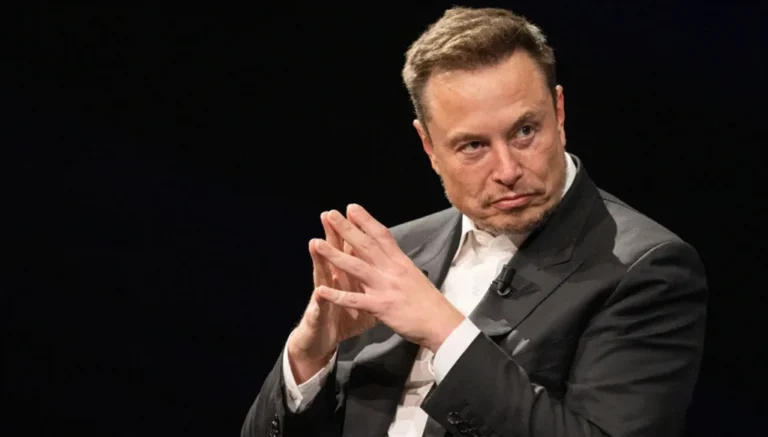
Following the elections, Musk joked: "Data centers in space looking pretty appealing right now." referring to his project to establish a satellite-based computing network.
However, investors are increasingly concerned that stricter regulatory restrictions could make it more difficult for AI companies to generate profits from their massive investments in the sector.
Patrick Munnelly, a market strategist at brokerage firm Tickmill Group, said: "Democratic opposition to the rapid expansion of data centers could focus on energy consumption, environmental restrictions, pressure on local infrastructure, competition policies and the social implications of deploying AI technologies."
He added: "None of this necessarily means the end of AI's long-term momentum, but it could raise the required rate of return on investment."
The impact of such legislation is expected to be greater at the state level, highlighting the role of governors in responding to voters' concerns.
Veteran financial analyst Jim Bianco wrote on X regarding concerns over data centers: "Given the scale of the Democratic victory, their capture of the Texas governorship, and the 29-to-1 support for restricting data centers, politicians who want to remain in office will take these messages seriously."
Stephen Innes of SPI Asset Management noted that Georgia's new Democratic governor, Keisha Lance Bottoms, whose state is also home to numerous data center projects, "has called for a statewide moratorium on new data center construction, alongside requirements ensuring that large customers bear the costs associated with their own infrastructure."
Amy Acton, who was elected Democratic governor of Ohio, has pledged to introduce a stricter regulatory framework governing the expansion of data center construction.