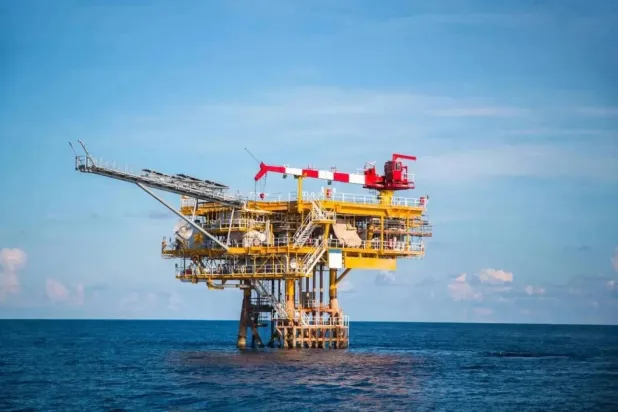
Cyprus signed contracts worth $1.8 billion with Italian energy provider Eni on Monday to develop the Mediterranean island nation's first commercial gas project, with production slated for 2028 on the project in partnership with France's TotalEnergies. European countries have stepped up efforts to use domestic energy resources with the Ukraine and Iran wars roiling global energy markets and supply in recent years. The agreements to develop the field in Cyprus' exclusive economic zone cover engineering, construction, installation and drilling work, allowing natural gas to be transported to Egypt for processing and liquefaction before delivery mainly to European markets. "Eni has signed the main engineering, procurement, construction and drilling contracts for the development of the Cronos Project, marking the start of the project's execution phase and a key milestone towards the monetization of Cyprus' first gas development," AFP quoted the Italian firm as saying in a statement. "As Eni's first development project in Cyprus and the country's first hydrocarbon development, Cronos represents a strategic milestone." Cypriot President Nikos Christodoulides in a statement hailed the agreement as a "decisive step towards exploiting our country's natural wealth.” He said the contracts for the "first commercial exploitation of Cypriot natural gas" were worth up to $1.8 bn. "It represents a strong vote of confidence in our country's energy prospects with significant geopolitical and economic implications," he added. Cypriot Energy Minister Michalis Damianos said the project marked Cyprus' transition from offshore exploration and discoveries to developing and producing its gas reserves. Kronos is estimated to contain more than three trillion cubic feet of natural gas. Existing Egyptian infrastructure will be used, including facilities linked to the large Zohr gas field, with the gas to be liquefied at the Damietta terminal for export. Using existing infrastructure is expected to reduce costs and accelerate the route to market, while deepening energy cooperation between Cyprus and Egypt. "A regional value chain is being created that connects Cyprus's resources, Egypt's infrastructure and European demand," said Damianos. Cyprus has discovered offshore gas but has not yet brought a field into commercial production. Kronos is seen as a key test of its ability to turn those discoveries into exports. Eni and Total hold the majority of exploration blocks -- seven of 13 south of the island -- licensed by the Cyprus government. The eastern Mediterranean has become an energy hot spot, with significant natural gas finds off Israel and Egypt.