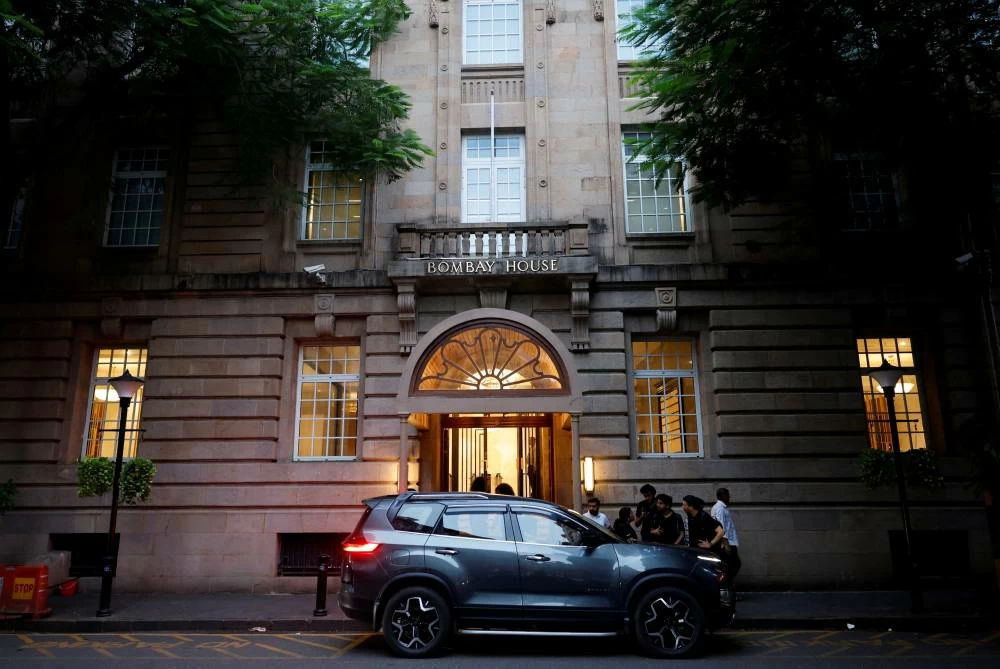
NEW DELHI: India's Tata Sons, the owner of marquee brands like Jaguar Land Rover and Tetley tea, is facing one of its worst boardroom disputes, with its leadership now openly split with its biggest shareholder over key decisions.Tata Trusts, the charity arm of the group, owns a 66% stake in Tata Sons, but the company's board has re-appointed its chairman N. Chandrasekaran and has decided to move ahead with a possible stock market listing against the wishes of its owner, putting the power struggle at the centre of the standoff.Here's an explainer on views of both sides, the complex structures and legal options being considered, according to people familiar with the matter:What's the legal view of Tata Trusts and Tata Sons?Both sides have appointed some of the nation's top lawyers to defend them and explain who can call the shots.Noel Tata-led Tata Trusts is being represented by lawyer Abhishek Manu Singhvi, a lawmaker and Congress party leader. He has said the dispute is about shareholder supremacy and the conglomerate cannot act like a "runaway board" operating independently of the controlling shareholder.That position is disputed by Tata Group's Chandrasekaran, who has roped in Harish Salve, a former solicitor general of India who often represented the government at international forums, disputes that position. Salve says the board's decision was in line with internal governing rules, and the charity arm needs to get past "I control the trusts, I control this group mindset."Why can't the Tata Trusts call a shareholder meeting and oust the chairman?The Tata Trusts have problems of their own that are currently sapping their influence.The Tata Trusts are made up of several affiliated charities and they could have used their voting power to call for a shareholders meeting to effectively oust Chandrasekaran.But that is not possible because one of the main charities - Sir Ratan Tata Trust - has been barred by a regulator from convening its own meetings in a dispute over internal appointments. So, as per internal rules, the charities currently lack the power to call for a Tata Sons shareholder meet.The trusts can either wait for the deadlock to lift once the regulatory inquiry ends, or are considering approaching a court to lift the restrictions, two people familiar with the matter said.What's the controversy about "articles of association"?At the heart of the dispute is the governance framework called the "Articles of Association" of Tata Sons. Both sides - Tata Trusts and Tata Sons - disagree on the reading of those rules, which are not public.The charity arm says if Noel Tata opposed the appointment of the chairman, it was enough to not move forward on him. It believes such decisions cannot be taken unless it has the support of a majority of the trusts' two nominees on the board.In this case, "majority amongst two is two and not one," the charity arm has publicly argued.Tata Sons' lawyer Salve disagrees. He says both of the trusts' nominees voted differently, which prompted a casting vote that helped reappoint the chairman as per governance rules.Is Tata Trusts considering going to court?The charity arm is working on many options to oust Chandrasekaran and reverse the board's decision, sources say.One option being considered is a challenge in Mumbai's company tribunal arguing that the board should not have proceeded as the majority - that is both of the trusts' nominees - did not vote in favour of the chairman's reappointment.The divide also extends to the issue of stock market listing of Tata Sons - which the board agrees to, but the charity arm does not.Tata Trusts could approach the High Court in Mumbai to challenge the Indian regulatory requirement to list the company.