Add as preferred on Google
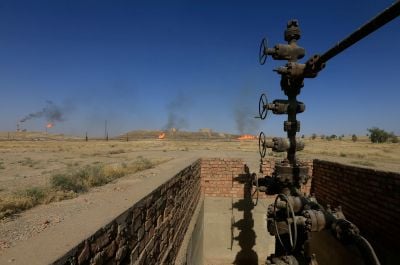
An oil field is seen in Kirkuk, Iraq Oct. 18, 2017. (Credit: Alaa Al-Marjani/Reuters)
Add as preferred on Google The reopening of the Kirkuk-Ceyhan oil pipeline on Nov. 17 is about more than energy. It is a response to the vulnerability exposed by U.S.-Iran clashes over the Strait of Hormuz. When they disrupted exports, Baghdad discovered the cost of relying on a single route. Still, this northern corridor will serve as a strategic safeguard rather than an immediate alternative to the Gulf.According to Reuters, oil has begun flowing again through the old federal pipeline, which had been shut down since the Islamic State’s (ISIS) advance in 2014. Initial shipments stand at 120,000 barrels per day, with a target of 500,000. The pipeline connects to the Turkish network at Fishkhabur before reaching the Mediterranean port of Ceyhan. It is separate from the pipeline running through Iraqi Kurdistan, which has been used since Kurdish oil exports... Black Friday Limited Offer: subscribe now for $6.9/month instead of $12.9. Subscribe now Log in This article is only available to L’Orient Today subscribers. Subscribe now Log in Create a free account to continue reading this article. You’ll also receive The Morning Brief, our must-read daily digest of Middle East news. Opt out anytime Email Address Password Email Address Password I would like to receive special offers from L'Orient Today as well as selections of the best articles. Register By creating an account, you agree to the terms and conditions of use and our privacy policy. Register Or register with: Facebook
Already have an account? Login here