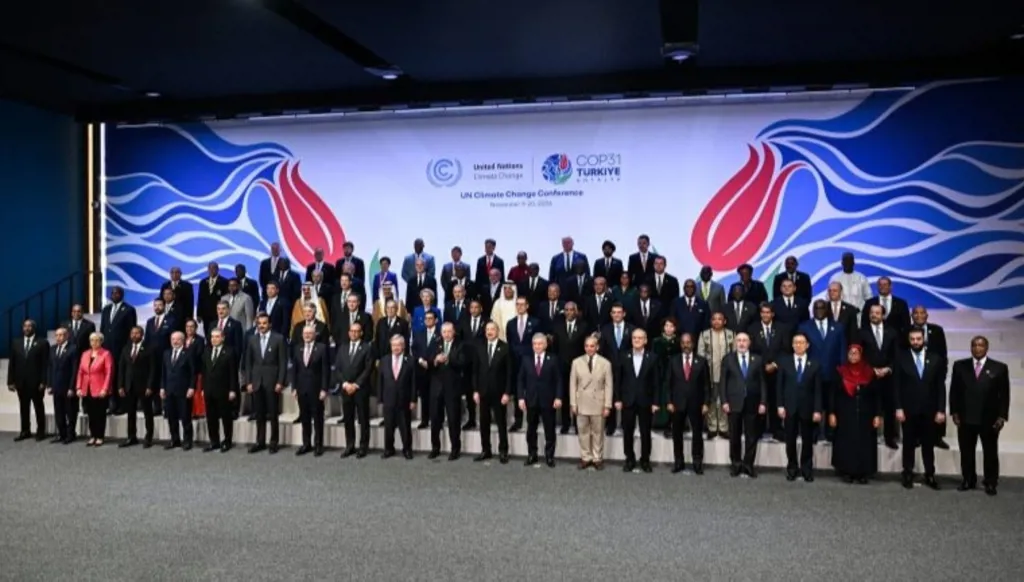
COP31 concluded its first week with financial pledges and divergent positions on energy and climate finance. In the second week, negotiators face the challenge of translating these promises into actionable decisions.
1- Fossil Fuels at the Heart of the Confrontation: Brazil proposed a roadmap for transitioning to renewable energy, while producing countries insisted on maintaining the use of oil, gas and coal. The challenge in the second week will be to turn this polarization into a consensual formulation that gives Dubai's commitment to move away from fossil fuels an executive guarantee.
2- Electrification Advances... But with Conditions: The pledge to increase electricity's share of energy consumption to 35% by 2035 received support, but it does not specify the sources of electricity generation, opening the door to debate over how to ensure it comes from clean sources. The African group objected to electrification targets that are not accompanied by clear financing and implementation mechanisms.
3- The Arab Stance Defines the Boundaries of Compromise: The Arab group rejected energy pathways imposed from above, insisting on the importance of national priorities. Developed countries were called upon to fulfill their financial commitments, making the exchange of climate ambition for financing and commercial equity a likely focal point of negotiations.
4- Old Finance Haunts New Pledges: Disagreements persisted over achieving the $100 billion annual target, amid differing methodologies for accounting for climate finance. Developing countries called for the continuation of the long-term finance program, while Canada recalled that its termination had been decided for 2027. The dispute goes beyond figures, touching on trust and the foundations for assessing future commitments.
5- Loss and Damage Without Settlement: Arab countries, Africa, small island states and China supported guidelines for the fund aimed at accelerating disbursements and enhancing grants. The EU and other countries, however, preferred not to issue guidelines through the meeting of the Parties to the Paris Agreement, fearing a duplication of the fund council's work and an encroachment on its authority.
6- Emissions Reduction: Dispute Over Duration and Role: Arab countries, Africa and Malaysia supported extending the mitigation program until 2030, while the EU and Mongolia favored extending it until 2040. Parties also disagreed over linking the program to the results of the global stocktake, leaving its impact on national policies yet to be determined.