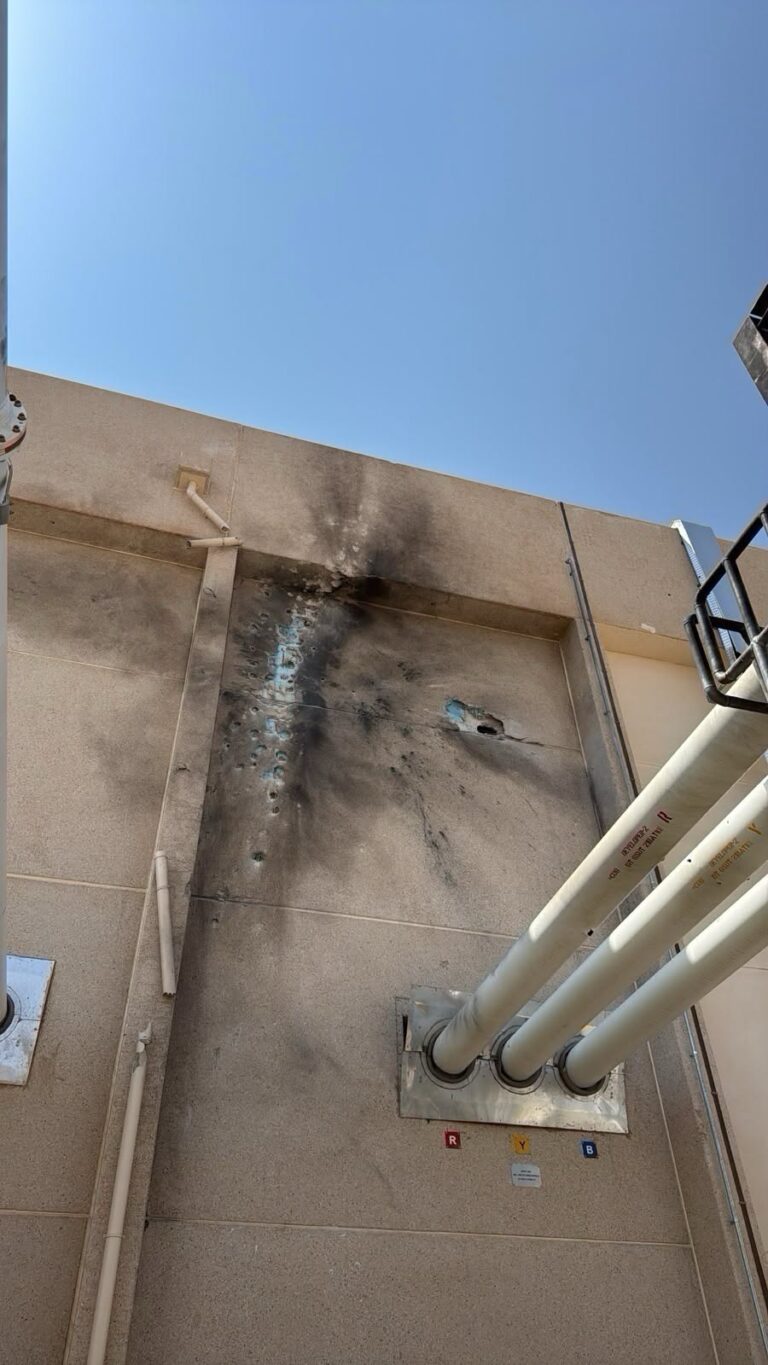
The Christian border villages in southern Lebanon, particularly Debel, Ain Ebel, and Rmeich, are experiencing difficult humanitarian and security conditions, despite the signing of a framework agreement between Lebanon and Israel aimed at achieving "lasting peace." Residents affirm that their reality does not reflect any signs of stability, given the continued Israeli military presence and restrictions imposed on their movement, in addition to the widespread destruction that has affected neighboring villages and towns, according to a report by the French newspaper "Le Figaro." Israeli vehicles and tanks are deployed at the entrances to some villages, while large areas of the South have been reduced to rubble after military operations, with homes, infrastructure, and agricultural fields destroyed. Life Under Restrictions and Humanitarian Aid Residents of the village of Debel rely almost entirely on humanitarian aid convoys that are allowed in only intermittently, following the collapse of the public electricity supply and severe restrictions on bringing in essential goods. Several residents describe life as being "like a prison," saying they are unable to leave the village freely, while many fear that if they flee, their homes could be destroyed and the village itself could cease to exist. Residents also recount tragic incidents, including the killing of civilians while traveling between villages, despite having obtained transit permits, which has heightened their sense of insecurity. Economic Crisis and Lack of Income Sources In Ain Ebel, security restrictions have prevented farmers from accessing their lands, depriving many of their primary source of livelihood. Commercial activity has also significantly declined. Despite the slowdown in military confrontations in the region, residents continue to live in a state of anxiety and anticipation, with ongoing ambiguity regarding the future of the border villages and the possibility of resuming schooling and normal life. Absence of the State and Demands for the Army's Return Residents of Rmeich and neighboring villages express their dissatisfaction with what they perceive as the absence of the Lebanese state, noting that local security now relies on municipal police forces, while they demand the return of the Lebanese Army to assume its responsibilities in the region. Residents also affirm that they feel their suffering does not receive sufficient attention, and that the Church has become the primary entity providing them support amid the ongoing crisis. Conversely, the security agreement links the withdrawal of Israeli forces from the region to the disarmament of Hezbollah, while Israel asserts that it will maintain its forces as long as Hezbollah poses a security threat, which raises residents' fears of the current situation continuing for a long time.