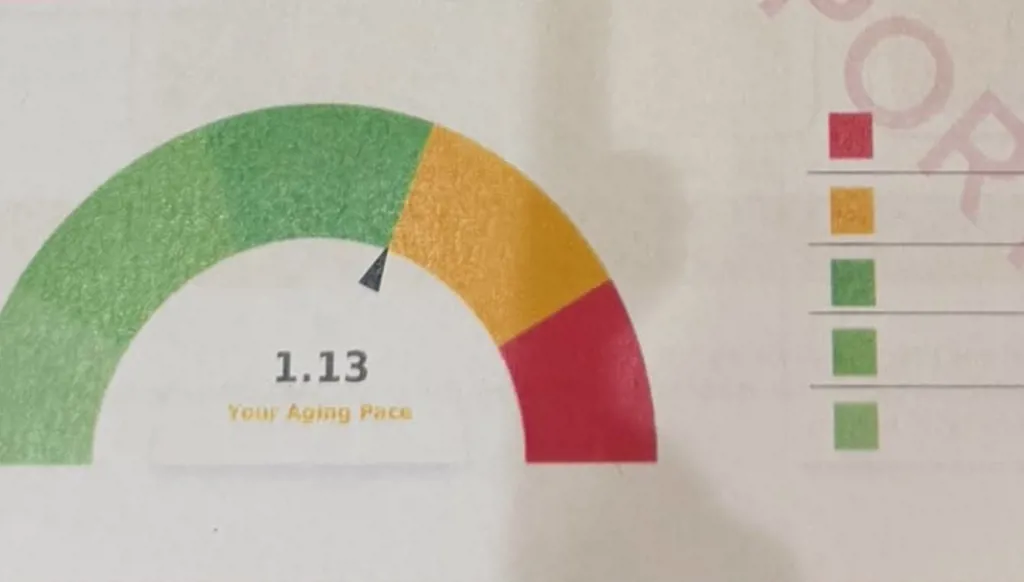
How often have we met someone who seemed younger than their actual age? And vice versa, there are people who look older than the age stated on their ID. This has to do with biological age, which may differ from chronological age and often does not correspond to it.
While chronological age cannot be changed, tests are available to determine biological age, and there are now numerous ways to adjust it so that it better aligns with chronological age. Based on the results of these tests, interventions can be made, whether through lifestyle changes or by using the many anti-aging techniques currently available. These can help bring biological age closer to chronological age or even lower it.
This is what Dr. Leila Lahoud, a specialist in pathology and preventive medicine, explained in an interview with Annahar, stressing the importance of such interventions in improving quality of life.
What is the difference between biological age and chronological age?
Biological age refers to the age of the body's cells, while chronological age is a person's actual age as recorded on their ID. Dr. Lahoud notes that biological and chronological age often do not match due to several factors that contribute to this difference and cause oxidative stress in cells. The main factors include:
An unhealthy diet high in fats and sugars
These factors increase the oxidative stress to which cells are exposed and affect their DNA, leading to a decline in the cells' protective capacity.
How can biological age be determined?
Tests are available to determine biological age through either blood or saliva samples. Previously, samples had to be sent to European laboratories to obtain the results, at a very high cost. However, results can now be obtained from laboratories in Dubai.
The results may show that a person's biological age is appropriate for their chronological age, or that it is significantly higher. This explains why some people may look older than their actual age, while others appear younger.
Dr. Lahoud points out that the test is not performed just once. Rather, it is conducted and then repeated after specific measures have been taken and a programme based on a comprehensive approach has been put in place to bring about change in this regard. For example, someone who does not follow a healthy lifestyle may experience a decline in key indicators associated with biological age.
In such cases, certain signs may indicate accelerated biological ageing:
Pain in different parts of the body
According to Dr. Lahoud, biological age is assessed at several stages, alongside blood tests that identify the indicators affecting it.
Vitamins can also have an impact to a certain extent and may play a role in accelerating the ageing process. They can therefore be given particular attention as part of the treatment approach adopted. Hormones also have an impact on biological age, particularly in women. Blood sugar levels are another indicator that is assessed.
At the prediabetes stage, lifestyle changes can be introduced, as these are also among the factors that affect biological age. Once diabetes develops, however, changing this becomes more difficult. Dr. Lahoud stresses that there is no magic solution, but rather several factors that play a role in bringing biological age closer to chronological age.
What does an appropriate programme to bring biological age closer to chronological age involve?
Exercising regularly and stimulating metabolic activity
Following a healthy, balanced diet rich in antioxidants
In such cases, biological age is more likely to be closer to chronological age. By contrast, if body fat levels are high, for example, biological age will naturally be higher. The same applies when there is a hormonal imbalance.
The more efforts made to reduce toxins in the body, the more positive the impact on biological age.
In addition to lifestyle changes, Dr. Lahoud highlights several important techniques that can now be used to delay the ageing process, including nanopeptide injection techniques and other anti-ageing treatments that help regenerate cells.