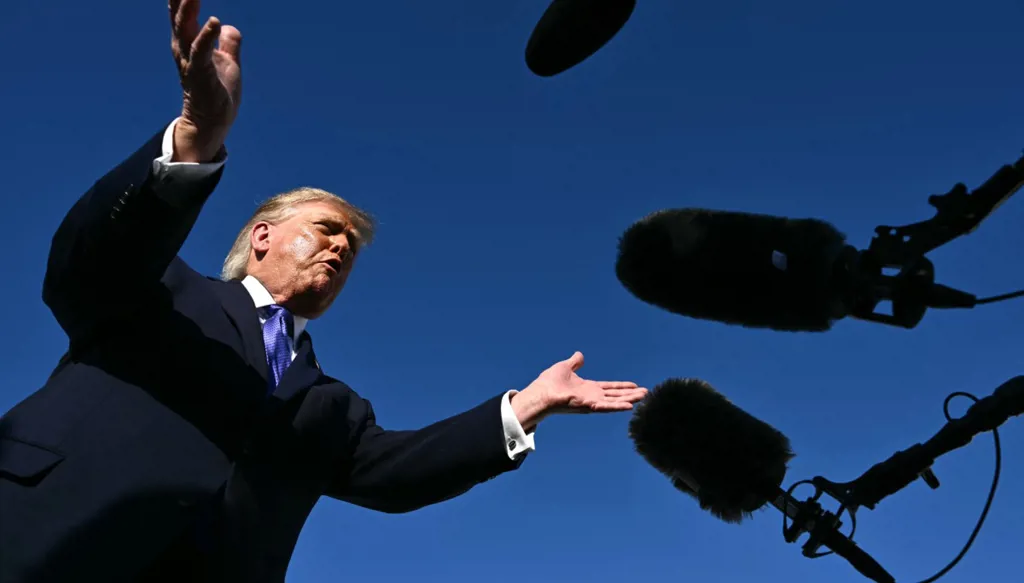
Can the Democrats, if they win the U.S. midterm congressional elections on November 3, curb Donald Trump's policies and limit the MAGA movement's interventions in European affairs? And would a shift in the balance of power in Washington be enough to restore confidence in transatlantic relations, or has the crisis become too deep to be resolved through legislative election results alone?
These questions have taken on particular importance as disagreements between the United States and Europe since Trump's return to the White House in January 2025 have evolved from disputes over defense and trade burdens into strategic differences over Ukraine, Russia, and the future of NATO. The U.S. war with Iran has added to Europe's economic pressures, while MAGA's alignment with European right-wing nationalist and radical parties has introduced a domestic political dimension to the crisis.
European concerns are no longer confined to decisions made by the U.S. administration. They now extend to the impact of the Trumpian current on political balances across the continent, as governments face an electoral rise in forces skeptical of the EU and its traditional institutions.
The U.S. Constitution grants the president broad powers in managing foreign relations, while Congress has several tools to influence and constrain those powers, most notably through budget approvals, military aid, sanctions legislation, oversight, and investigations.
Democrats could therefore seek to protect U.S. aid to Ukraine, block some of Trump's decisions, and increase the political cost of his policies. However, they cannot compel him to adopt a European strategy toward Russia, completely prevent negotiations with Moscow, or guarantee the continuation of the U.S. military presence in Europe.
The presidential veto makes such a confrontation difficult, as overriding it requires a two-thirds majority in both chambers of Congress.
The possibility of impeaching Trump does not offer a quick solution either. Convicting and removing him requires the approval of two-thirds of senators present, a threshold that remains difficult to reach amid deep partisan divisions.
The European dilemma is not limited to Trump himself. The MAGA movement is not simply a Republican majority whose influence could disappear with an electoral defeat. It is a political and social current with roots and extensions both inside and outside the United States.
This movement has found partners among European right-wing nationalist parties that share its opposition to immigration, criticism of globalization, skepticism toward supranational institutions, and defense of national sovereignty against the EU.
A Democratic victory could therefore weaken the Trump administration's ability to advance some of these agendas through state institutions, but it would not sever the political and ideological ties between MAGA and its European allies. This makes Europe's reliance on a change in the congressional majority insufficient to confront the internal political challenges facing the continent.
European governments face a dual predicament: they need continued U.S. commitment to their security and support for Ukraine against Russia, while simultaneously dealing with growing economic and social pressures stemming from higher defense and energy costs and the increasing influence of the radical right.
What these governments need is not merely a Congress opposed to Trump, but a U.S. administration with a clear strategy for rebuilding the transatlantic partnership.
Democratic control of Congress could block some presidential options, but it could also trigger an institutional confrontation that paralyzes U.S. decision-making without providing an alternative foreign policy.
Importantly, some shifts in U.S. policy extend beyond Trump himself. Calls for increased European defense spending, stricter trade policies, and a reassessment of the costs of foreign commitments reflect broader trends in Washington, even as political parties disagree over how to address them.
A Democratic victory could therefore give Europe some breathing room, but it would not automatically restore confidence in U.S. security guarantees, nor would it eliminate the possibility of further policy changes after the next presidential elections.
Disclaimer: The opinions expressed by the writers are their own and do not necessarily represent the views of Annahar.