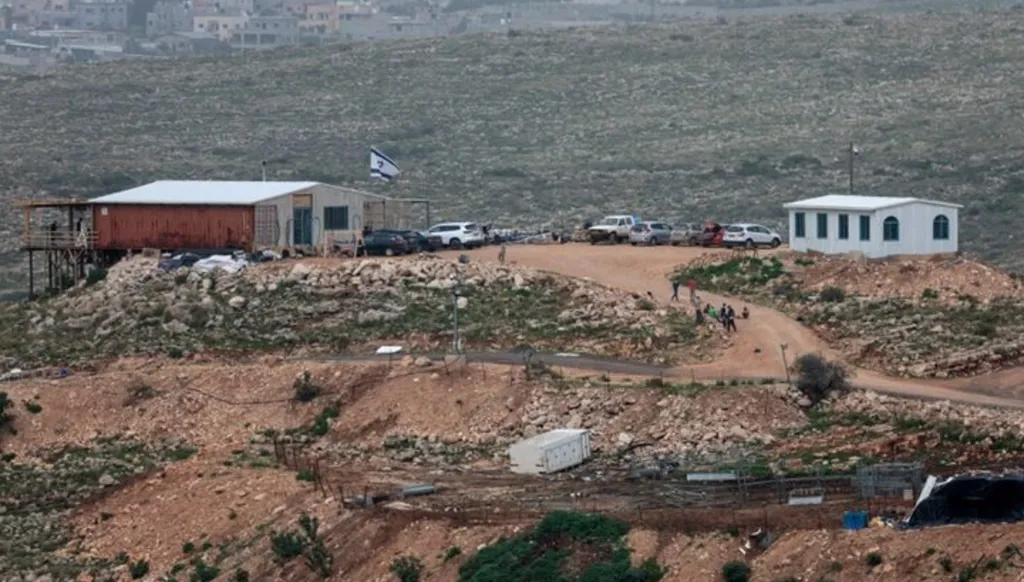
Britain announced on Tuesday a series of sanctions against eight Israeli companies involved in construction activities in settlements in the occupied West Bank, in an effort to halt any new building activity.
Addressing the companies, British Foreign Secretary Ed Miliband said: “Do not bid, do not build, and do not profit from the destruction of the two-state solution.”
He added: “We will not stand idly by while those obstructing essential humanitarian aid further deepen the unbearable suffering of civilians in Gaza.” London also imposed sanctions on an Israeli group over its role in preventing aid from entering the besieged territory.
The sanctions come amid rising tensions between London and the Israeli government over settlement expansion in the West Bank and restrictions on the entry of aid into the Gaza Strip. They also coincide with approaching key deadlines for tenders related to a large-scale settlement project in the E1 area.
European leaders had previously condemned plans to build more than 1,200 housing units in the occupied West Bank, for which tenders were issued in August.
The British sanctions include freezing the assets of the eight companies and imposing restrictions preventing their directors from holding management positions, limiting the companies’ ability to access financing and participate in new settlement construction projects.
These companies operate in homebuilding and real estate development in the occupied West Bank, while the measures seek to curb commercial activities that contribute to settlement expansion.
The British announcement came ahead of deadlines related to tenders for the E1 settlement project, which plans to build thousands of housing units between East Jerusalem and the settlement of Ma’ale Adumim in the West Bank.
The project has drawn Palestinian and international opposition, as its implementation would divide the West Bank into separate areas and sever geographical links between major Palestinian population centers, including Ramallah, East Jerusalem and Bethlehem. International parties consider this a threat to the possibility of establishing a geographically contiguous Palestinian state.
The British government had previously warned companies against participating in the project’s tenders, noting that it now has the powers to impose sanctions on individuals and companies involved in building illegal settlements.
The British measures were not limited to real estate companies. They also targeted the Tzav 9 group, a right-wing Israeli movement active in protests against the entry of humanitarian aid into the Gaza Strip.
The British government says the group has repeatedly obstructed aid convoys heading to the territory, including trucks carrying food, water and fuel, with further incidents of obstruction reported last October.