Add as preferred on Google
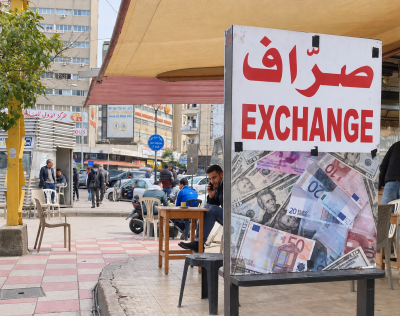
The sign of a moneychanger in Dora, at the northern entrance to Beirut, on March 20, 2022. (Credit: Archive photo Philippe Hage Boutros/L'Orient-Le Jour) Add as preferred on Google The introduction of a currency board in Lebanon has continued to be presented as an alternative to the country’s current monetary regime since the financial crisis began in 2019, although the proposal has attracted limited support.Known in English as a ‘‘currency board’’ and in French as a ‘‘régime de caisse d’émission,’’ it is a monetary system that fixes the value of a country’s currency against a reference foreign currency, such as the U.S. dollar or the euro, through regulation or legislation. ‘‘In theory, the system could be established by a regulatory decision of the monetary authority. But ideally, it should be enshrined in law, which could only be changed by a qualified majority, for example two-thirds, to prevent political pressure from undermining the regime,’’ said Patrick Mardini, president of... You have reached your article limitStay informed about a Middle East in crisis.Subscribe for $0.5/month for the first 3 months. Subscribe now Log in This article is only available to L’Orient Today subscribers. Subscribe now Log in Create a free account to continue reading this article. You’ll also receive The Morning Brief, our must-read daily digest of Middle East news. Opt out anytime Email Address Password Email Address Password I would like to receive special offers from L'Orient Today as well as selections of the best articles. Register By creating an account, you agree to the terms and conditions of use and our privacy policy. Register Or register with: Facebook
Already have an account? Login here