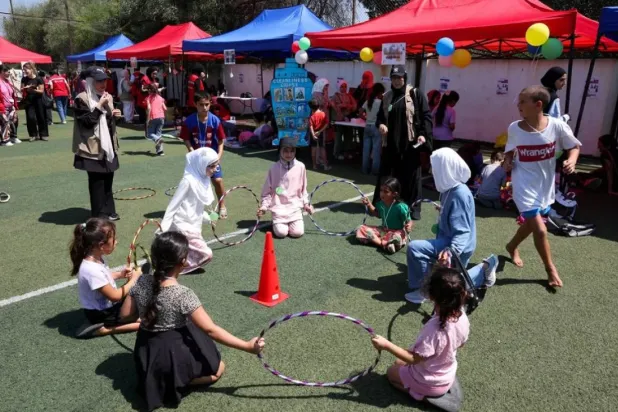
RIYADH — The National Center for the Non-Profit Sector has launched the draft Fundraising Governance Rules. The provisions of the draft law include ban on use of children in fundraising campaign. The draft rules are framed as an initiative aimed at enhancing transparency and credibility in fundraising activities, strengthening governance and compliance among licensed entities, protecting the rights of donors and beneficiaries, and regulating fundraising-related practices. The center published the draft rules on the Istitlaa public survey platform seeking feedback and suggestions from the public during the period ending on September 10. The draft rules seek to regulate the procedures for issuing fundraising licenses and strengthen oversight of related operations and activities. This includes soliciting and advertising donations, managing in-kind donations, and regulating contracts with entities that conduct marketing and advertising campaigns on behalf of licensed organizations. The draft law sets out detailed requirements for obtaining a fundraising license. These include having a legal provision authorizing the entity to conduct the activity, meeting minimum governance requirements, and having no significant violations or observations recorded during the year preceding the application. Applicants must also obtain the necessary approvals from the relevant authorities and submit a comprehensive plan outlining the fundraising objectives and associated costs. Comprising 18 articles, the draft law stipulates that each license must be issued for a specific purpose or activity and must specify its duration and, in the case of collecting in-kind donations, its geographical scope. It also prohibits the use of a license beyond its designated limits or any amendments to it without the center's approval. The draft law consists of10 regulations governing advertisements soliciting donations. It requires licensed entities and their contractors to comply with regulations and instructions relating to media and publishing, combating cybercrime, and protecting personal data. The draft law requires advertisements to include a QR code for the "Donate Safely" service, enabling donors to verify the validity and scope of the license. It also permits the use of the service's link or license information in advertisements where the information is not visually displayed. Furthermore, the draft law prohibits advertisements from containing misleading, exaggerated, or inaccurate information, as well as phrases suggesting guaranteed rewards or the misinterpretation of religious texts. It also prohibits the use of children in advertising campaigns or the inclusion of any content that could undermine the reputation of charitable work or provoke controversy. The proposed rules place a strong emphasis on protecting the privacy of donation recipients. They prohibit photographing or displaying beneficiaries in ways that violate their dignity or exploit their humanitarian circumstances. The rules also require the consent of data subjects before their personal contact information is used to send promotional messages, while allowing them to opt out of receiving such messages at any time. The draft law prohibits photography within the Two Holy Mosques and their courtyards without prior approval from the General Presidency for the Affairs of the Two Holy Mosques. It also prohibits the use of the name of the Two Holy Mosques or any sacred symbols, names, or images—including images of the Holy Kaaba—as well as images of the Presidency's staff and services, in advertising campaigns. In addition, it prohibits quoting official statements or public and private meetings without written consent. With regard to transparency, the regulations require advertisers, throughout the campaign period, to disclose the total amount targeted for fundraising, the remaining amount needed to reach the target, the campaign's financial costs, and the value of advertising or other expenses deducted from donations. The draft law establishes clear guidelines for contracting with individuals or entities that undertake marketing or fundraising activities on behalf of licensed entities. It requires such individuals or entities to be licensed by the relevant authorities to conduct marketing or media activities and to obtain the Center's approval before entering into any contracts or subcontracts. The draft law includes detailed provisions governing in-kind donations. These include requiring licensed entities to issue official receipts for donations, designate qualified warehouses for storage and sorting, and comply with applicable technical and health requirements. It also regulates the use of donation collection containers and specifies the information that must be displayed on them. The rules further permit the sale of unusable in-kind donations after obtaining the center's approval, with the proceeds allocated to beneficiaries or used to cover part of the costs associated with collecting donations, in accordance with the established regulations. The draft law requires licensed entities to establish policies and procedures to ensure compliance with the provisions of the system, regulations, and rules. It also mandates the establishment of oversight mechanisms governing the collection and disbursement of donations, the disclosure of conflicts of interest, and the handling of complaints and reports related to donations.