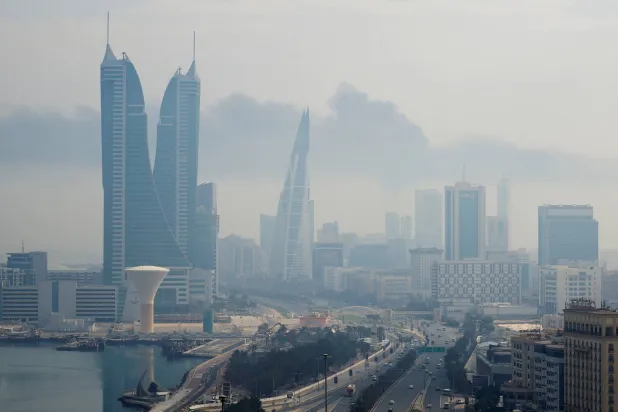
Aluminium Bahrain, known as Alba, is currently producing aluminium at an annualized rate of 1.3 million metric tons, versus a pre-Iran war capacity of around 1.6 million tons, its CEO said on Wednesday. Alba, which describes itself as the world's biggest aluminium smelter on one site, shut down production lines 1, 2, and 3 following the outbreak of the war as the closure of the Strait of Hormuz restricted exports. The plant was then hit by an Iranian attack in late March. Alba is now operating lines 4, 5 and 6 at its smelter, equivalent to 1.3 million tons per year, Ali Al Baqali told Reuters on the sidelines of the Fastmarkets Aluminium Conference in Budapest. He described the Iranian strike as a "small, minor attack.” "We got damages and we already repaired them. Nothing needed," Al Baqali said, adding that Alba had been covered by insurance. Its overall capacity will return to 1.6 million tons when it completes its acquisition of French smelter Aluminium Dunkerque in the next couple of months, Al Baqali said. To maintain production, Alba is bringing in 300 to 350 trucks carrying raw material alumina on a daily basis, the CEO said. "We are managing to receive around 7,000 metric tons of alumina every day," Al Baqali said, describing the logistics operation as "expensive,” but offset by the high London Metal Exchange aluminium price and premiums for physical metal. Alba is exporting metal via the Saudi port of Jeddah on the Red Sea and from Sohar in Oman, Al Baqali said, as hostilities in the Middle East continue.