Araghchi Says Iran Has 'No Trust' in the US, Will Negotiate Only If it Is Serious
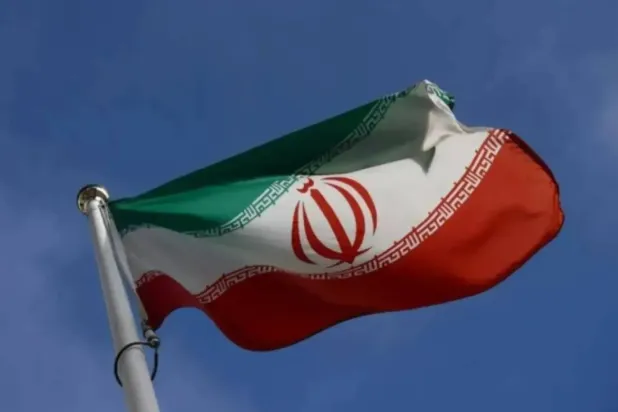
Tehran has "no trust" in the US and is interested in negotiating with Washington only if it is serious, Iranian Foreign Minister Abbas Araghchi said on Friday, as talks on ending the war remained on hold.
Araghchi told reporters in New Delhi that all vessels can pass through the Strait of Hormuz except those "at war" with Tehran, if they coordinate with Iran's navy.
But the situation around the waterway, vital to global energy and commodities markets, was "very complicated", he added, during a visit to attend a BRICS foreign ministers' meeting in India.
In a post on X, Araghchi said he told India's Foreign Minister Subrahmanyam Jaishankar that "Iran will always carry out historical duty as protector of security in Hormuz," according to his post on X.
Iran effectively shut the strait, which normally handles about one-fifth of the world's seaborne oil and gas supply, to most shipping after the US and Israel began their war on Iran in February.
PAKISTANI-MEDIATED US-IRAN TALKS HAVE STALLED
Washington and Tehran announced a ceasefire last month but have been struggling to thrash out a lasting peace pact. Talks mediated by Pakistan have been suspended since Iran and the U.S. each rejected the other's latest proposals last week.
Araghchi said "contradictory messages" had raised Iranian doubts about the Americans' real intentions, adding that the Pakistani mediation process had not failed but was in "difficulty".
The United States and Israel have cut short two previous rounds of talks with Tehran in the past 13 months by launching campaigns of air strikes on Iran.
Iran is trying to keep the latest ceasefire to give diplomacy a chance but is also prepared to go back to fighting, Araghchi said.
The issues holding up negotiations between the two sides include Iran's nuclear ambitions and its control of the Strait of Hormuz.
Hours before he spoke, US President Donald Trump said his patience with Iran was running out and said he had agreed in talks with Chinese President Xi Jinping that Tehran must reopen the strait.
Asked if Tehran was open to mediation by Beijing, Araghchi said Iran appreciated the efforts of any country that had the ability to help. "We have very good relations with China," he said. "We are strategic partners, and we know that the Chinese have good intentions. So, anything they can do to help diplomacy would be welcomed."
Araghchi added: "We hope that, with the advancement of negotiations, we will reach a good conclusion so that the Strait of Hormuz can be completely secured and we can expedite the normalization of traffic through the strait."
Trump Says He Is Banning Media Outlets CNN, MS NOW, Politico from White House
US President Donald Trump said on Friday he is banning three major news outlets – CNN, MS NOW and Politico – from the White House in his latest threat to the independent press.
The move is almost certain to face legal challenges as free speech experts said it conflicts with the US Constitution's First Amendment protections for free speech and a free press, Reuters said.
Trump accused the outlets of "reporting FAKE NEWS" in a social media post, and said they "shouldn't be able to constantly write or report FICTION and LIES when they're covering the President of the United States." Trump added, "Other Fake News Media Outlets to follow."
Representatives of all three outlets could be seen working in the White House on Friday afternoon following Trump's post. The White House was informing all three they would be banned from the White House grounds as of Saturday, Fox News reported, citing an unnamed senior White House official.
Trump said there was no specific incident that prompted the ban, telling reporters in the Oval Office, "It's really just cumulative stories over the past few years."
Trump added, "I don't have to let them into my, into the people's house."
When asked what he meant by others "to follow," Trump mentioned the New York Times and Washington Post as what he called "fake news."
The extent of the ban announced by Trump was not immediately clear, and the legality of any move could depend on its scope.
Courts have given presidents broad discretion over selective access to events such as Oval Office meetings and small press pools, while broader exclusions from generally available White House press facilities or credentials could face stronger challenges under the First Amendment and constitutional protections for due process.
Trump's move came weeks ahead of the November 3 midterm elections in which Trump's fellow Republicans are defending narrow majorities in Congress. Reuters/Ipsos polls show the public souring on Republicans, as Trump's own approval ratings stand near historic lows amid the deeply unpopular Iran war he kicked off that has sent energy prices soaring.
The Trump administration has upended decades of tradition in dealings between the White House and press, cutting back the access many major news organizations have had to the president while elevating the presence of new media outlets seen as more sympathetic to the administration.
CNN in a statement said it stands behind its journalists who cover the White House.
"We have a right under the US Constitution to do that reporting without hindrance or interference from the government," CNN said in a statement. "Should the ban which President Trump threatened go ahead, it would be an illegal assault on that fundamental and constitutionally protected right."
Politico said on X that it would "continue to fairly report on this White House and future ones."
"We will vigorously defend our First Amendment rights against any attempt to restrict them," Politico said.