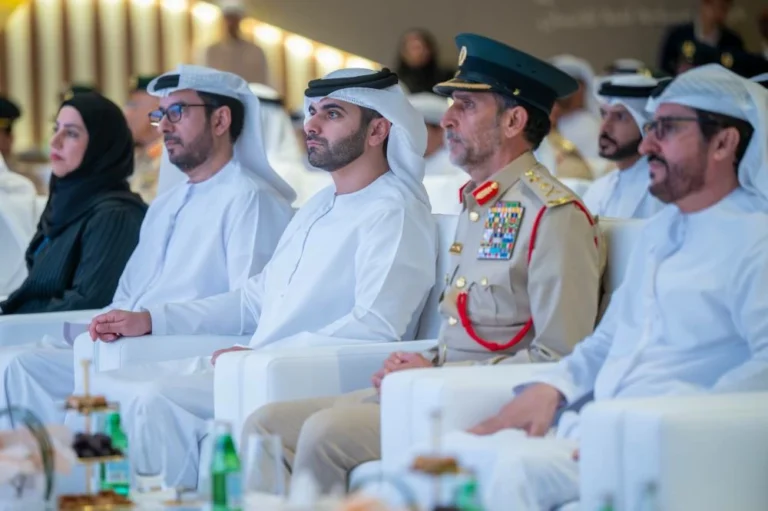
Dubai: Mohamed Alabbar, founder of Emaar Properties, said the company continues to develop more than 50,000 residential units in the UAE and has maintained its expansion plans despite regional and global economic and geopolitical challenges.Speaking at the AIM Investment Summit 2026 in Dubai, Alabbar said Emaar's strategy remains focused on data analysis, customer behaviour and long-term market fundamentals, noting that the company currently sells around 2,500 residential units each month.Cancellations declineAlabbar revealed that average monthly cancellations stood at about 700 units in November 2025 before rising to 1,100 units during the war. Following the end of hostilities, that figure declined to around 500 units per month.He described the decline as a positive indicator of customer confidence in the UAE, its leadership, economy and real estate sector."The figures were a positive surprise for us, as they showed that our customers trust this land, this government, and our leadership, as well as the company," he said.No discounts despite market pressuresAlabbar noted that while some developers offered discounts ranging from 20% to 50% during the exceptional circumstances experienced by the region, Emaar did not introduce discounts on its projects.He said that a price adjustment of between 5% and 10% could be considered acceptable in response to exceptional events, but stressed that the market had demonstrated a strong ability to adapt and recover.According to Alabbar, pre-crisis forecasts had suggested property prices could decline by around 15%, but confidence in the UAE's economy and government policies helped support market resilience.Balancing supply and demandAlabbar highlighted the importance of maintaining a balance between developers' profitability and families' ability to purchase homes.He said the Dubai Government plays an important role in managing land supply, construction regulations and pricing policies to support equilibrium between supply and demand.Lessons from global crisesAlabbar said instability is a recurring feature of the global economy, noting that the world has experienced more than 50 major crises since the 1920s, including wars, economic downturns, famines and pandemics."Complete stability has never existed," he said, adding that investors and business leaders should plan for cyclical change rather than wait for uncertainty to disappear.He stressed that successful businesses are built on long-term vision, sufficient capital, strong talent and credibility.Opportunities during downturnsAlabbar said periods of uncertainty can create attractive investment opportunities for businesses with strong liquidity and low debt levels."If you have liquidity and don't have high debt, this is the time to invest," he said.He added that Emaar has consistently maintained low debt levels to preserve flexibility and ensure the company can continue investing during periods of volatility.Hospitality sector slowdownWhile expressing confidence in the property market, Alabbar acknowledged that the tourism and hospitality sector has recently experienced a decline in bookings.He said such periods should be used to review operations, restructure businesses and strengthen internal processes following years of strong growth and profitability.Confidence in the UAE modelAlabbar said the UAE's stable policy environment and leadership vision continue to strengthen investor confidence.He praised the close cooperation between the public and private sectors, describing it as one of the key factors behind the success and international expansion of Emirati companies."I am fortunate to have been born and to conduct my business here," he said. "We contribute to the success of the UAE's economic experience, but it is the government that provides us with the foundations for success."AI transforming businessAlabbar also highlighted the growing role of artificial intelligence in business operations, describing it as essential for increasing productivity and preserving competitiveness.He said Emaar measures employee engagement with AI tools and monitors how widely the technologies are being adopted across the organisation.According to Alabbar, AI has dramatically reduced the time required to prepare master plans for cities."Master plans that used to take months can now be completed in hours," he said.He added that artificial intelligence is improving the productivity of engineers, economists and financial specialists while helping accelerate project delivery and improve profitability.Alabbar said employees who fail to adopt AI tools may struggle to keep pace with rapid technological change, while those who embrace the technology will be better positioned to enhance their skills and remain competitive.