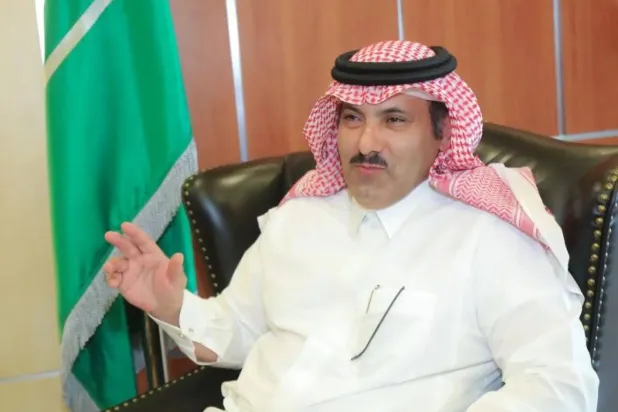
Saudi Ambassador to Yemen Mohammed Al-Jaber accused the Houthis on Tuesday of obstructing peace, exploiting Yemen’s resources to fund their military operations and prolonging the siege of Taiz. “Yemen does not belong to the Houthis, and Taiz will not be held hostage to their agenda,” Al-Jaber declared in a post on X. He expressed confidence that Yemen would prevail, saying its people deserved a stable state, functioning institutions, regular salaries, open roads and security forces capable of protecting their dignity. In a post titled “If all you have is a hammer, everything looks like a nail,” the ambassador accused the terrorist Houthi militias of treating every crisis as an opportunity to escalate and every political commitment as an obstacle to its ambitions. He maintained that the Houthis had abandoned the National Dialogue process and commitments under the peace roadmap, dragged Yemen into regional conflicts and then blamed others for blocking peace. Al-Jaber challenged Houthi demands to reopen Sanaa airport, noting that flights had operated until the militia detained four Yemenia Airways aircraft in June 2024. The airport and the planes were subsequently destroyed in May 2025. He added that proposals to resume services, including leasing aircraft under Yemenia’s supervision and a Jordanian initiative for flights between Amman and Sanaa, had been rejected or met with new conditions. The ambassador also disputed Houthi claims of a blockade, pointing to daily shipments of food, medicine, fuel and commercial goods arriving at Hodeidah’s ports. He accused the group of diverting port revenues, telecommunications income, taxes, customs duties and religious levies to finance attacks against Yemenis, Saudi Arabia and commercial shipping. Meanwhile, he said, the Houthis refused to pay public sector salaries or provide basic services in areas under their control, using force against critics. Citing the UN Panel of Experts on Yemen’s 2024 report, Al-Jaber said the group had exploited the telecommunications sector to finance drones and coastal forces through millions of text messages. He cited figures of around 994 billion Yemeni rials collected in customs duties on fuel imports through Hodeidah between April 2022 and June 2024, alongside an estimated 1.34 trillion rials in telecommunications revenue and $2 billion annually from smuggled oil. The envoy said the funds were being diverted to military purposes while ordinary Yemenis bore the cost. Al-Jaber added: “The problem is that Houthi practices reveal a recurring pattern of utilizing crises as a tool for political pressure, only to later play the role of the victim while ignoring the responsibility of their decisions.” “The result is an exhausted homeland and a people paying the price for a project that serves foreign agendas and endless extremist adventures,” he stressed. Al-Jaber singled out Taiz, accusing the Houthis of besieging civilians, blocking roads and restricting access to food and medicine. He questioned how the militia could claim to support peace while maintaining the siege, obstructing airport operations and involving Yemen in regional conflicts. The ambassador reaffirmed Saudi Arabia’s “determination to protect its people, territory and vessels and to work with international partners to secure shipping routes through the Bab al-Mandeb Strait and the Red Sea.” He pledged continued support for Yemen’s legitimate government and its people “in pursuit of peace, stability and economic recovery.”