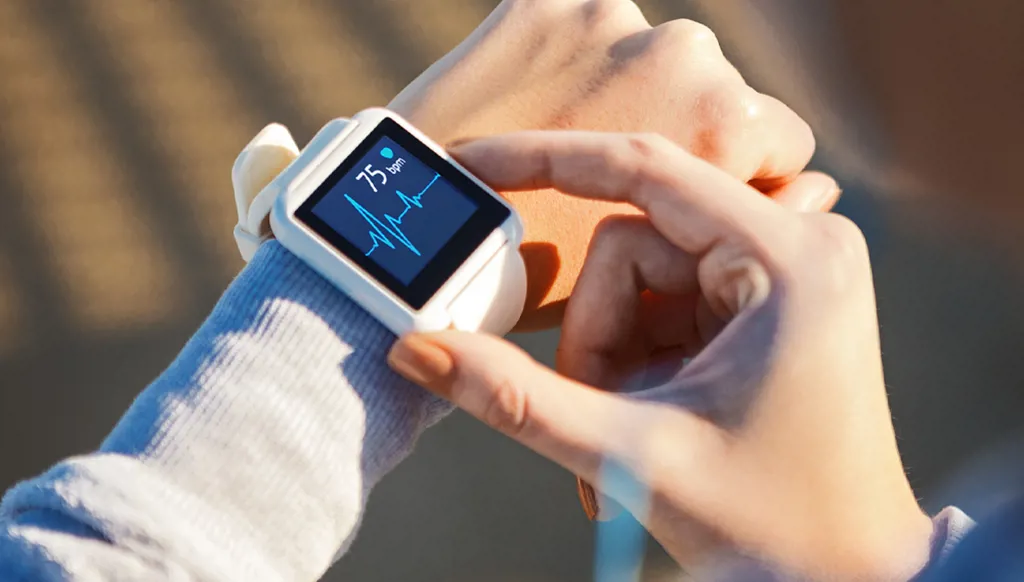
The world is witnessing significant advances in the early detection of health problems, strengthening preventive healthcare. Today, numerous AI-powered devices and applications can identify health issues at an early stage, helping prevent more serious complications or enabling timely treatment before conditions worsen.
Such devices can improve quality of life and help prevent various diseases that may negatively affect individuals at different stages of life.
A growing number of advanced AI-powered devices and applications enable the early detection of heart disease, helping improve quality of life and reduce the consequences of deteriorating cardiovascular health.
1. Home ECG Monitors: These portable devices monitor heart activity over periods ranging from 24 to 72 hours. They use artificial intelligence to analyze data and detect irregular heart rhythms or atrial fibrillation.
2. Apple Watch ECG: The Apple Watch uses built-in algorithms to analyze heart activity and detect signs of atrial fibrillation.
3. AI-Powered Ultrasound Devices: These devices enable users without specialized expertise to perform focused examinations and analyze the results immediately, including screening for conditions such as aortic valve stenosis.
These applications help examine moles and support the early detection of skin cancer with a high degree of accuracy.
These tools help accurately and clearly read, interpret, and analyze blood and urine test results.
Wearable blood pressure monitors equipped with AI technology can help predict increases in blood pressure up to three days in advance. This allows patients to take early action and potentially avoid life-threatening complications that could affect their quality of life.
These devices use sensors attached to the skin to measure blood glucose levels continuously and in real time.
They also rely on AI algorithms to analyze how sleep, physical activity, and meals affect blood sugar levels.
Smartwatches transform biometric data, such as heart rate, sleep duration, and physical activity, into indicators that support proactive healthcare.
Because these indicators influence overall health, monitoring them accurately can help individuals improve their lifestyles and adopt healthier habits.
Smart rings track sleep stages, heart rate, heart rate variability, and body temperature, helping users identify changes and take appropriate action when necessary.