Add as preferred on Google
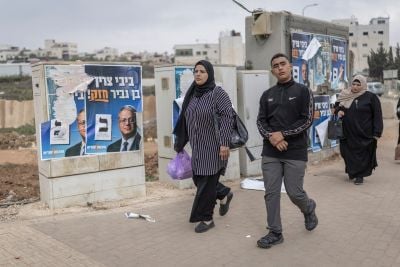
Palestinians walk past campaign posters of far-right politician Itamar Ben Gvir in Beit Kahil in the occupied West Bank on Oct. 27, 2026, amid Israel's general election. (Credit: Ilia Yefimovich/AFP) Add as preferred on Google Israel’s parliamentary election is taking place in a deeply divided country, with turnout reaching 16.68% by 10 a.m., the highest level at that point in the day since 1981. Polls show Prime Minister Benjamin Netanyahu’s right-wing and far-right coalition running neck and neck with the main opposition bloc led by former army chief Gadi Eisenkot. Neither bloc is projected to secure the 61 seats needed for a majority in the 120-seat Knesset, potentially setting the stage for lengthy coalition negotiations. The election is also being closely watched by Palestinian citizens of Israel who make up around 20% of the population and have long suffered from systemic discrimination. Voting has so far proceeded without major incidents, despite Netanyahu’s accusations against Arab parties and the arrest of a man armed with a knife who allegedly... You have reached your article limitStay informed about a Middle East in crisis.Subscribe for $0.5/month for the first 3 months. Subscribe now Log in This article is only available to L’Orient Today subscribers. Subscribe now Log in Create a free account to continue reading this article. You’ll also receive The Morning Brief, our must-read daily digest of Middle East news. Opt out anytime Email Address Password Email Address Password I would like to receive special offers from L'Orient Today as well as selections of the best articles. Register By creating an account, you agree to the terms and conditions of use and our privacy policy. Register Or register with: Facebook
Already have an account? Login here