Dubai: Vulnerable and endangered animals in Abu Dhabi have become safer, this October, with the launch of the Abu Dhabi Wildlife Response Network by the Environment Agency – Abu Dhabi (EAD).
What is this new initiative, and what difference will it make to wildlife in the region? Read on to find out.
What is the Abu Dhabi Wildlife Response Network?
On October 17, Environment Agency – Abu Dhabi, the Middle East’s largest environmental regulator, and the government body responsible for protecting natural resources, air quality, groundwater, and desert and marine ecosystems in Abu Dhabi, announced the launch of a new initiative to protect biodiversity in the Capital.
The Abu Dhabi Wildlife Response Network is designed to enhance rapid response, coordination and care for vulnerable wildlife across the emirate.
The Network is a collaborative effort between government entities, non-governmental organisations, academic institutions, private stakeholders, and community members.
What is the scope of the Abu Dhabi Wildlife Response Network?
According to the Abu Dhabi Media Office, the Network will serve the following key functions:
Enhance rapid response, coordination and care for wildlife across the emirate.
Establish a coordinated framework that brings together government and private entities, as well as community members and experts in the field.
Include wildlife rescue operations – from reporting and case management to receiving reports from the public or partners, and logging and assessing each case.
Build on the Environment Agency’s extensive experience in wildlife rescue and rehabilitation since 2016.
Which animals need protection in Abu Dhabi?
The launch of the Network builds on a culmination of years of experience and expertise accumulated by the EAD, which has focused its rescue and research programmes on a wide range of marine and terrestrial species, including:
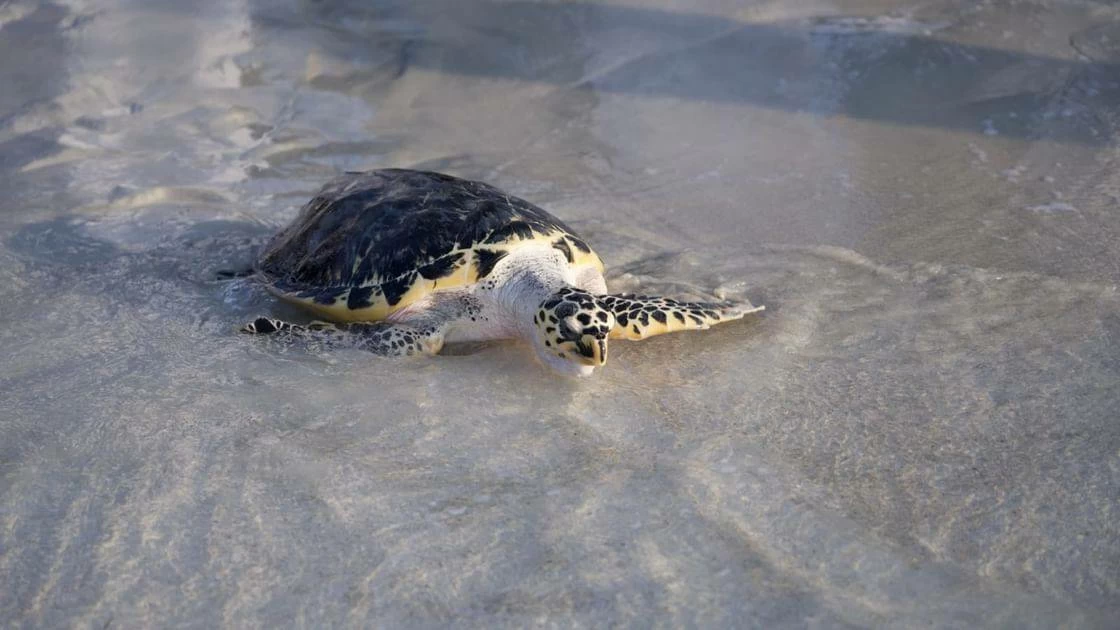
Sea turtles and sea snakes: These animals face environmental pressures and risks associated with human activities. For instance, early rescue operations involved sea turtles impacted by injuries caused by fishing equipment and entanglement in marine debris, or by cold stunning – weakness caused by low water temperatures.
Dugongs and dolphins: Abu Dhabi hosts the world’s second-largest population of dugongs, with more than 3,000 individuals found around the city’s waters. This makes conserving the species imperative. The EAD extends continuous effort to protect the dugong’s habitat and respond effectively to threats facing these and other marine animals.
Marine and terrestrial birds: Every year, the UAE welcomes nearly 2 million birds to the country, according to the EAD – from large migratory birds such as flamingos and eagles, to small shore birds such the Little Stint. The UAE is also home to resident and migratory breeding species such as Socotra cormorants, crab plovers and sooty falcons. The Network protects and monitors both migratory and native birds, as well as their habitats, providing rescue, treatment or rehabilitation whenever the need arises.
How does the rescue and rehabilitation process work?
The Network utilises an integrated digital framework for wildlife rescue operations, as well as reporting and case management. Here’s how their operations work:
Reporting and assessment: Partner reports and tip-offs by members of the public are logged and evaluated through a centralised digital system.
Field intervention: Specialised, rapid-response field teams, equipped with the appropriate first-aid and rescue tools, are sent to stabilise distressed animals on-site. In the past, the Environment Agency has dealt with all kinds of native land and marine animals, from turtle rescues to terrestrial birds. This experience and expertise is expected to be impactful for future rescue operations initiated via the Network.
Rehabilitation: Animals are transported to a specialised rehabilitation centre, where veterinarians and specialists will provide medical treatment, giving the animal the optimal environment and care plan for recovery. Partner institutions include The National Aquarium and SeaWorld Yas Island’s research and rescue facilities. Specialised treatment includes cutting-edge diagnostic technologies, such as computed tomography (CT) scanners designed for marine animals, and sophisticated veterinary systems for more complex cases.
Release and monitoring: Once animals return to full health they are released back into their natural ecosystems, such as sea turtles released into the Arabian Gulf from Saadiyat Island. In some cases, solar-powered or other digital tracking devices are fitted onto the animals to monitor their movements and behaviour after release – this valuable data is then used to support conservation research.
What are other objectives of the Network?
Aside from rescue, rehabilitation and release efforts, the Network will serve as a platform for sharing scientific data and expertise, and coordinating efforts between relevant stakeholders for lasting environmental impact in the emirate.
The initiative recognises the importance of public awareness, timely reporting and a shared commitment to protecting the natural environment. The Network will launch awareness campaigns to promote environmental responsibility, and encourage residents and visitors to play a more active role in protecting wildlife.
According to the city’s Environmental Agency, the Network’s next phase will involve expanding its capabilities through advanced technology for real-time tracking and reporting operations, continuous training of rescue teams, and international collaboration during wildlife emergencies.
Data gathered through rescue efforts, as well as emerging analysis from monitoring species’ health, investigating animal mortality, and identifying emerging environmental threats, will all go into improving recovery measures and creating targeted, long-term strategies for conservation action.
How do I report a vulnerable animal to the Abu Dhabi Wildlife Response Network?
To report an animal in distress, you can contact the Network through the Abu Dhabi Government Contact Centre on 800 500.