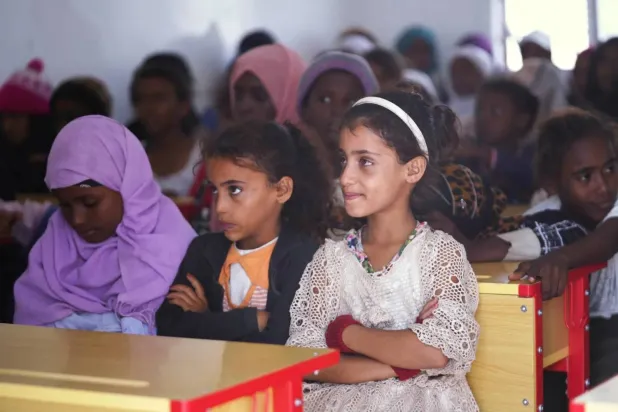
More than 350,000 children in Yemen’s Taiz governorate risk missing out on lifesaving vaccines as security restrictions and the ongoing Houthi siege of the city prevent immunization teams from reaching their communities, fueling fears of measles and rubella outbreaks. The threat comes amid a deepening humanitarian crisis triggered by the military escalation that began in August, forcing more than 364,000 people from their homes, including over 145,000 in Taiz alone, according to UN figures. The UN and its partners have managed to deliver food and relief supplies to around 300,000 displaced people, accounting for 70% of those displaced since the escalation began. Some 30% remain beyond the reach of humanitarian aid. UN health partners said around 350,000 children in Taiz had missed out on a national measles and rubella vaccination campaign as insecurity and access restrictions prevented vaccines from reaching them. The threat extends beyond those targeted by the campaign. More than 30,000 children under the age of one risk missing routine vaccinations as disruptions prevent health services and medical supplies from reaching affected areas. The World Health Organization (WHO) and the United Nations Children’s Fund (UNICEF) have the resources and vaccines needed to carry out immunization campaigns. Yet neither can currently reach the children in Taiz. A vaccination campaign launched in early November in other government-controlled areas immunized more than 600,000 children, underscoring the widening gap in healthcare access as security restrictions hamper vaccine deliveries. Mass Displacement, Limited Aid More than 364,000 people have fled their homes since the latest military escalation began in August, as hostilities and insecurity persist across several governorates, according to the UN Office for the Coordination of Humanitarian Affairs (OCHA). Taiz governorate hosts the largest displaced population, with more than 145,000 people, piling pressure on health services, shelters and food supplies in host communities. Despite access constraints, more than 25 humanitarian partners have provided healthcare to over 100,000 displaced people since the escalation began through mobile medical teams, ambulances and support for health facilities. Emergency food aid, hygiene supplies and essential relief items have reached around 300,000 displaced people. Yet the response continues to fall short of mounting needs as displacement persists and more areas are affected. Road Closures, Civilian Casualties The UN Human Rights Office has verified 323 civilian casualties since the beginning of August, including 76 deaths and 247 injuries. Children account for more than a third of all casualties and half of those killed. Road restrictions continue to hamper civilian movement and the flow of commercial goods into Taiz city. Most roads leading to the governorate were open for only a few hours during the day last week and were subject to sudden closures, the UN report said. The restrictions are delaying deliveries of food and essential goods, leaving families stranded for prolonged periods, often without adequate sanitation facilities. In Marib governorate, health facilities received 19 trucks carrying emergency medical supplies from a humanitarian partner, bringing the total to 33 since the first shipment arrived on November 4. The UN renewed its calls for the protection of civilians and safe, unhindered humanitarian access, urging the lifting of restrictions preventing Taiz residents from receiving basic healthcare and relief aid as hundreds of thousands of children risk going without essential vaccinations.